


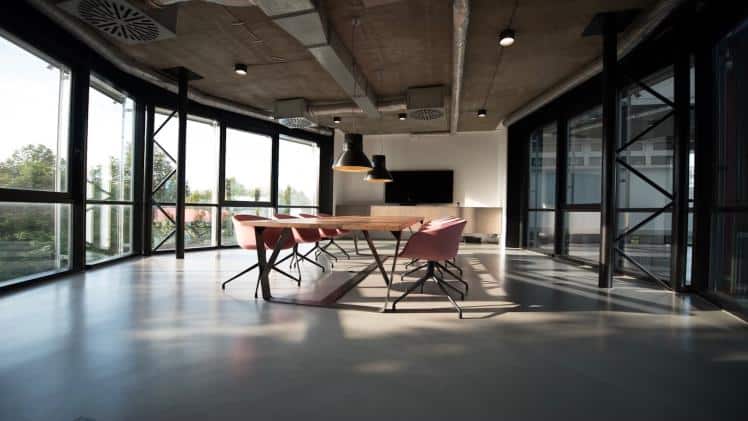
The way we work has transformed enormously in recent years, yet most offices have stayed stubbornly the same. With remote and flexible arrangements on the rise, the function of the central workplace warrants reexamination.
Fortunately, small modifications to the physical setup hold big potential to address modern challenges and better empower teams.
Let In Natural Light or Switch to Daylight Bulbs
Employee engagement and productivity are crucial factors that affect organizational success.
According to Gallup, disengaged or actively disengaged employees result in a nearly 10% loss of global GDP each year in lost productivity. Given these significant numbers, it is important for leaders to recognize how workplace design can positively or negatively impact employee engagement on the job.
Thoughtfully designing the work environment to support productivity is key. Elements like access to natural light should be prioritized, as many employees spend most of their day inside the office.
Allowing sunlight to filter in through windows can help teams feel more connected to the outside world. This is beneficial for both mental health and reducing eyestrain or headaches that artificial lighting alone can cause. If windows are not an option, full-spectrum light bulbs are a good alternative to promote well-being at work.
Keep Clutter at Bay
As an employee, it is your responsibility to keep your work area tidy. If your mind is busy thinking about how messy your space is instead of your tasks, it’s hard to focus.
“Take a few minutes each day to organize your workspace,” recommends productivity consultant Amanda Fertsch. “Get rid of anything you don’t need and develop a system that works for you. This keeps distracting clutter from getting in the way of your work.”
In addition to daily cleaning, Fertsch advises setting goals for the following day before leaving work. “Reflecting on what I accomplished and planning tomorrow allows me to start fresh and focused in the morning,” she notes.
CEO Ron Lieback compares a tidy desk to starting a document from a blank slate. “An empty workspace lets your mind zero in better,” he told Business News Daily. “But a messy desk is like staring at a messy paper already filled with random text – it’s too cluttered to concentrate. Your office needs the same unobstructed clarity to optimize focus.”
Enhancing Workplace Atmosphere Through Strategic Color Use
The thoughtful application of color in office environments can have a profound impact on both mood and productivity. Psychologists have noted the significant influence that colors can exert on our emotional state and behavior. As per Verywell Mind, think about how certain colors in familiar spaces or clothing can influence your mood. A simple change in color can sometimes create a noticeable shift in your outlook.
In collaborative areas, the use of vibrant, energizing colors can stimulate creativity and foster dynamic interactions among team members. These lively spaces often become hubs of innovation and idea exchange. On the other hand, areas designated for focused individual work may benefit from cooler, more calming shades like blues and greens. These colors are known to reduce stress levels and improve concentration, making them ideal for tasks requiring sustained mental effort.
Color also plays a crucial role in reinforcing company identity. Incorporating brand colors into office design elements like walls, furnishings, and artwork can strengthen corporate identity. It also makes the workspace more aesthetically pleasing overall.
If you need to paint your office, hiring professional painters can save you time while still being affordable. For example, let’s say your office is located in Mercer Island, Washington.
As per World Population Review, Mercer Island is a suburban city surrounded by water with a population of over 24,000 residents. Due to its unique geographical features, finding a qualified painting service for your commercial space may be more challenging than in urban areas.
Instead of struggling to locate painting contractors independently, we recommend using online search terms that highlight your specific location and service needs. Phrases like “top-ranking Mercer Island painters” or “office painting companies in Mercer Island” will help match you with businesses that understand your local market.
As per EA PRO Painting, professional painters bring valuable expertise in color psychology to office design projects. They can guide businesses in selecting hues that evoke desired emotions while maintaining brand consistency. Their knowledge helps create environments that are not only visually appealing but also conducive to employee well-being and productivity. By balancing aesthetics with functionality, these experts can help transform workspaces into inspiring settings that employees appreciate and thrive in.
Raise the Temperature for Added Comfort
When it comes to optimizing the office environment for productivity, temperature is an important consideration. Most offices aim to keep the temperature between 68-72 degrees Fahrenheit for comfort.
However, slightly warmer temperatures may actually enhance focus and energy levels for some job functions. Raising the thermostat a few degrees could benefit employee productivity. That said, individual temperature preferences do vary, so a one-size-fits-all approach may not work for every team member.
As an organization evolves, it’s important to periodically reevaluate the office temperature. This ensures it remains conducive to focus and workflow for the team. Soliciting anonymous feedback from staff about their thermal comfort could provide useful insights.
FAQs
1. How does modern office design increase productivity?
A: A well-designed workspace can boost employee engagement, efficiency, and job satisfaction by fostering collaboration, communication, and problem-solving. When the physical environment supports easy interaction and focus, teams can work together more smoothly to achieve goals.
2. How important is the office space design?
A: Having a dedicated, professional workplace is crucial for productivity. The office signals to employees that it’s time for focused work. Supporting focus and relaxation through design, like providing quiet areas, helps maximize productivity.
3. What are some ways to transform an existing office space?
A: One strategy is to incorporate greenery, as research shows plants in the environment can decrease stress and increase well-being. Other options include upgrading furniture for comfort, optimizing lighting and acoustics to minimize distractions, and reconfiguring layouts to encourage interaction and flow of work. Periodically evaluating and updating the space helps align it with organizational needs.
In the end, making strategic space adjustments shows you care about your team’s success. As work evolves, keeping a flexible and inspiring environment will be key for attracting and keeping great talent in the future. Laying good foundations now sets the stage for good outcomes down the road.
