


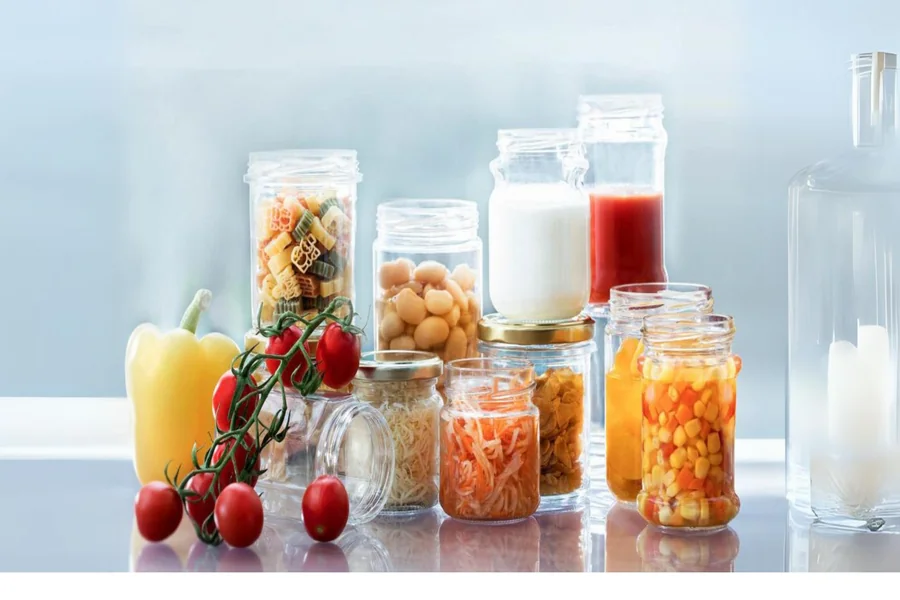
Packaging is more than a container. It shapes how customers judge quality, how well a product survives shipping, and whether the unboxing feels premium. For many growing brands in cosmetics, personal care, wellness, and premium food, glass packaging is a practical upgrade that also supports brand positioning.
This guide explains why glass is often worth the investment, what to consider before switching, and how suppliers like calaso glass packaging can help you choose formats that fit your product and your timeline.
Why glass is a preferred packaging material
Glass is non-porous and chemically stable. That means it does not absorb odors, it resists staining, and it is less likely to interact with sensitive formulas. If you sell products where purity matters, such as facial serums, essential oils, fragrances, or nutraceuticals, this stability can protect both performance and customer trust.
Glass also communicates quality. The weight, clarity, and finish can make a product feel more premium at first touch.
Key benefits of glass packaging
Premium shelf appeal for beauty and wellness
Glass can elevate a label and make colors and textures look more refined. This is one reason searches for premium glass packaging for skincare and luxury cosmetic bottle packaging keep growing.
Strong protection and longer shelf life
Glass provides an excellent barrier against oxygen and moisture. For many formulas, that can support better stability and reduce the risk of changes in scent, color, or texture over time.
Sustainable glass packaging that customers recognize
Glass is widely recyclable and can be recycled repeatedly without losing quality. For brands aiming for sustainable glass packaging for cosmetics, this is a clear, easy-to-explain benefit.
Versatility across formats and routines
From droppers and pump bottles to wide-mouth jars, glass can be adapted to many use cases. If you are building a skincare line, the neck finish and closure matter as much as the bottle. A curated range like Calaso’s skincare bottles makes it easier to compare shapes and sizes that match common cosmetic routines.
Better compatibility with sensitive ingredients
Because glass is inert, it is often preferred for products with actives, essential oils, or alcohol-based formulas.
Practical considerations before switching to glass
Glass is not perfect for every product. Two factors usually come up early.
- Weight and shipping costs. Glass is heavier than plastic, which can increase transport costs.
- Breakage risk. Glass requires careful handling in fulfillment and retail.
To reduce surprises, run a small pilot. Pick two candidate bottles, fill them with your real formula, and test for leakage and label adhesion.
A simple example of a smart switch
Consider a small skincare brand launching a vitamin C serum. The team starts with plastic, but notices complaints about odor changes and a less premium feel. They switch to amber glass with a compatible dropper and add protective inserts for shipping. Returns drop, reviews mention the high-end bottle, and the brand can justify a slightly higher price.
Final takeaway
If your brand competes on quality, trust, and long-term value, glass packaging can be a strategic choice. It protects sensitive products, improves shelf appeal, and supports sustainability messaging that customers understand.
