


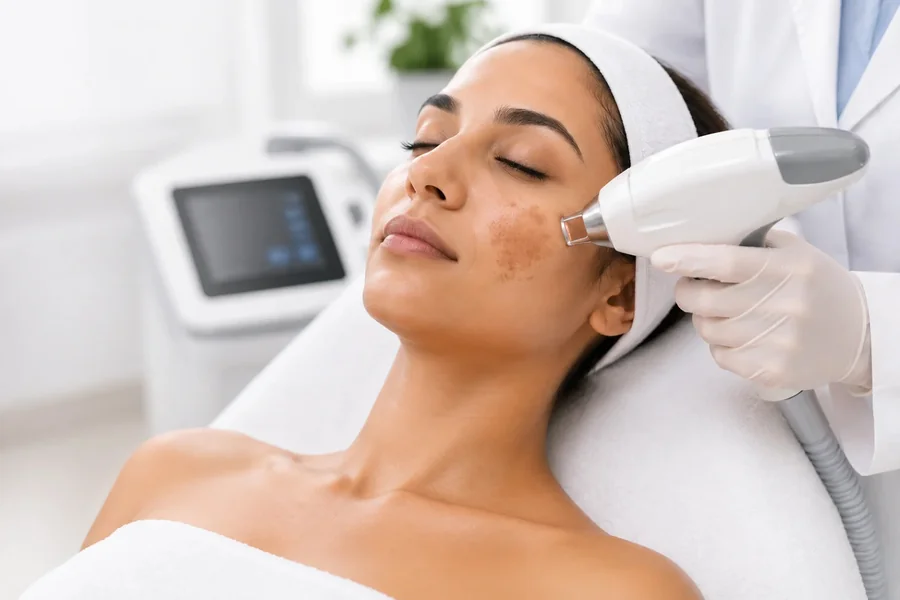
Uneven skin tone and dark spots are common skin concerns that can develop for several reasons, including prolonged sun exposure, hormonal changes, ageing, and previous skin inflammation. Although these changes are generally harmless, they can affect the overall appearance of the complexion and make the skin look less even.
In Singapore, where ultraviolet exposure is a regular consideration throughout the year, pigmentation is a concern for people across different age groups and skin types. While a consistent skincare routine can help maintain skin health, some pigmentation concerns may require professional assessment and specialised treatments.
Laser technology has become one of the options used in aesthetic medicine to address selected forms of pigmentation. Understanding how these treatments work, what conditions they target, and what to expect during recovery can help individuals make informed skincare decisions.
- What Causes Skin Pigmentation?
Skin pigmentation refers to the colour of the skin, which is largely influenced by melanin. Melanin is a natural pigment produced by specialised cells called melanocytes. It helps determine skin tone and provides some protection against ultraviolet radiation.
When melanin production becomes uneven or excessive in certain areas, darker patches or spots may develop.
Several factors can contribute to pigmentation.
Sun exposure: Ultraviolet radiation stimulates melanin production. Repeated exposure without adequate sun protection can contribute to freckles, sunspots, and other forms of pigmentation.
Hormonal changes: Hormonal fluctuations associated with pregnancy, contraceptive use, and other medical factors may contribute to melasma.
Skin inflammation: Acne, injuries, insect bites, and certain skin conditions can leave behind darker marks after the original inflammation has healed. This is known as post inflammatory hyperpigmentation.
Natural ageing: As skin ages, years of sun exposure can contribute to the development of age spots and uneven pigmentation.
Genetic factors: Some individuals are naturally more prone to freckles or specific pigmentation patterns because of inherited characteristics.
Identifying the underlying cause is important because different pigmentation conditions may require different management approaches.
- Understand the Different Types of Pigmentation
Not all dark spots are the same. Recognising the different types of pigmentation can help determine which treatment options may be appropriate.
Melasma usually appears as brown or greyish patches, commonly across the cheeks, forehead, nose, and upper lip. It is influenced by hormonal factors, genetics, and sun exposure. Melasma can be particularly challenging to manage because it may recur even after improvement.
Post inflammatory hyperpigmentation develops after skin inflammation or injury. It is commonly associated with acne breakouts, eczema, and other inflammatory conditions. The marks may gradually fade, although the process can take several months.
Solar lentigines, commonly known as sunspots or age spots, are flat brown patches that develop on areas frequently exposed to sunlight. They are often seen on the face, hands, shoulders, and other exposed areas.
Freckles are small, flat spots that may become more noticeable following sun exposure. They are influenced by genetic factors and ultraviolet radiation.
Because different conditions can look similar, a professional skin assessment is useful before selecting any pigmentation treatment.
- How Does Laser Treatment for Pigmentation Work?
Laser treatments use controlled light energy to target selected structures within the skin. For pigmentation procedures, specific wavelengths are absorbed by melanin, allowing the treatment to focus on areas containing excess pigment.
This process is commonly explained through selective photothermolysis. The laser delivers energy that is absorbed by the targeted pigment, causing it to break down into smaller particles. The body’s natural processes then gradually remove or clear these particles.
Different laser systems use different wavelengths and pulse durations. The choice depends on the pigmentation type, its depth, the individual’s skin characteristics, and the treatment objective.
Some laser procedures are designed to target superficial pigmentation, while others can address selected deeper pigment deposits.
It is important to understand that laser treatment does not guarantee permanent removal of pigmentation. Some conditions, particularly melasma, may require ongoing management and maintenance.
- Explore Different Laser Technologies
Several technologies are used in aesthetic medicine to address pigmentation concerns. Each has different characteristics and potential applications.
Q Switched Lasers
Q switched lasers deliver energy in very short pulses and are commonly used to target selected pigment deposits. They may be considered for concerns such as freckles, certain sunspots, and other forms of pigmentation.
Broadband Light Treatment
Broadband Light, commonly known as BBL, uses controlled pulses of light across selected wavelengths. Different filters can target specific chromophores, including melanin and haemoglobin.
This technology may be used to address freckles, sunspots, redness, and certain visible signs of photoageing.
Fractional Laser Treatments
Fractional laser technology creates controlled microscopic treatment zones within the skin. Depending on the device, these treatments may help improve texture, certain types of pigmentation, and other signs of skin damage.
However, fractional resurfacing is not automatically suitable for every pigmentation concern. Treatment selection requires consideration of the skin condition and the risk of post inflammatory pigmentation.
The most appropriate technology should be selected following a medical assessment rather than based solely on the popularity of a particular procedure.
- Why Skin Assessment Is Important Before Laser Treatment
A proper skin assessment is an essential part of planning any laser procedure. Pigmentation may appear similar on the surface while having different underlying causes and depths.
For example, sunspots and melasma may both produce brown patches, but their treatment requirements can differ significantly. Some laser procedures may improve selected sunspots, while aggressive treatment of melasma can sometimes worsen pigmentation.
During a consultation, a medical professional may review the individual’s skin history, previous treatments, medication use, sun exposure, and existing skin conditions.
Skin type is another important consideration. Individuals with darker skin tones may have a higher risk of post inflammatory hyperpigmentation following certain laser procedures. Appropriate wavelength selection, treatment settings, and aftercare are therefore particularly important.
For those considering laser treatment for pigmentation, choosing a provider that prioritises individual assessment can help ensure that the recommended procedure is appropriate for the specific concern.
- What to Expect During and After a Laser Session
The treatment experience varies depending on the technology used and the area being treated.
Before a procedure, the skin is generally assessed and prepared according to the treatment requirements. Protective eyewear may be provided to protect the eyes from laser exposure.
During treatment, individuals may experience a brief sensation of warmth, tingling, or mild snapping against the skin. The level of discomfort depends on the device, treatment settings, and personal sensitivity.
Afterwards, temporary redness, mild swelling, sensitivity, or darkening of treated spots may occur. Some procedures may also produce light flaking or peeling as the skin recovers.
Recovery time differs between treatments. Certain non-ablative procedures involve relatively little downtime, while more intensive resurfacing treatments may require a longer recovery period.
Following the recommended aftercare instructions is important. This may include avoiding excessive sun exposure, using gentle skincare products, and applying broad spectrum sunscreen.
- The Importance of Sun Protection in Singapore
Sun protection plays a major role in managing pigmentation, particularly in tropical environments.
Ultraviolet exposure can stimulate melanin production and contribute to the development of new dark spots. It can also make existing pigmentation more noticeable and increase the likelihood of recurrence after treatment.
Using a broad spectrum sunscreen with at least SPF 30 is a useful daily habit. Sunscreen should be applied to exposed areas and reapplied according to the manufacturer’s instructions, especially after sweating or spending extended periods outdoors.
Additional measures include wearing wide brimmed hats, using sunglasses, and seeking shade when ultraviolet levels are high.
For individuals who have undergone laser procedures, sun protection is particularly important during the recovery period. The skin may be more sensitive, and excessive exposure can increase the risk of unwanted pigmentation changes.
Maintaining these habits can support the results of professional treatments and contribute to long term skin health.
- Combining Laser Procedures With Other Pigmentation Treatments
Laser treatments are not the only option available for managing uneven skin tone. Depending on the condition, a medical professional may recommend combining different approaches.
Topical products containing ingredients such as vitamin C, niacinamide, azelaic acid, or prescription hydroquinone may be considered for selected pigmentation concerns.
Prescription retinoids can also be used in certain treatment plans to support skin cell turnover and address uneven pigmentation.
Chemical peels involve applying selected chemical solutions to encourage controlled exfoliation. They may help improve certain forms of surface pigmentation and uneven texture.
However, combining treatments requires careful planning. Using multiple procedures or active skincare ingredients without appropriate guidance may irritate the skin and potentially worsen pigmentation.
A personalised treatment plan should account for the individual’s skin sensitivity, pigmentation type, and response to previous treatments.
- Choosing a Suitable Aesthetic Clinic
Selecting an appropriate clinic is an important part of the treatment process. Individuals should consider the qualifications of the medical professionals, the technologies available, and the clinic’s approach to patient assessment.
A suitable provider should explain why a particular treatment is recommended, what results may reasonably be expected, and what potential risks are involved.
TruGlow Medical Aesthetics in Singapore offers pigmentation management options that include its Signature 4S Angel Whitening Laser, Fusion Laser, and Forever Young BBL. The clinic also considers topical treatments and chemical peels as part of its approach to managing different pigmentation concerns.
Its medical team assesses individual skin conditions before recommending a suitable treatment combination. This is particularly relevant because melasma, sunspots, and post inflammatory pigmentation may require different approaches.
Before proceeding, patients should discuss treatment settings, expected recovery, possible side effects, the number of sessions that may be required, and the need for ongoing maintenance.
Conclusion
Pigmentation can develop for several reasons, including sun exposure, hormonal changes, ageing, and previous skin inflammation. While everyday skincare and sun protection are important, certain concerns may benefit from professional treatments such as laser procedures, chemical peels, and medically guided topical products.
For individuals exploring laser treatment for pigmentation, understanding the type of pigmentation and selecting an appropriate treatment approach are essential steps. Clinics such as TruGlow Medical Aesthetics offer different laser technologies and personalised treatment options following professional skin assessment. With suitable medical guidance, realistic expectations, and consistent sun protection, individuals can work towards a more balanced complexion and better long term management of pigmentation.
