


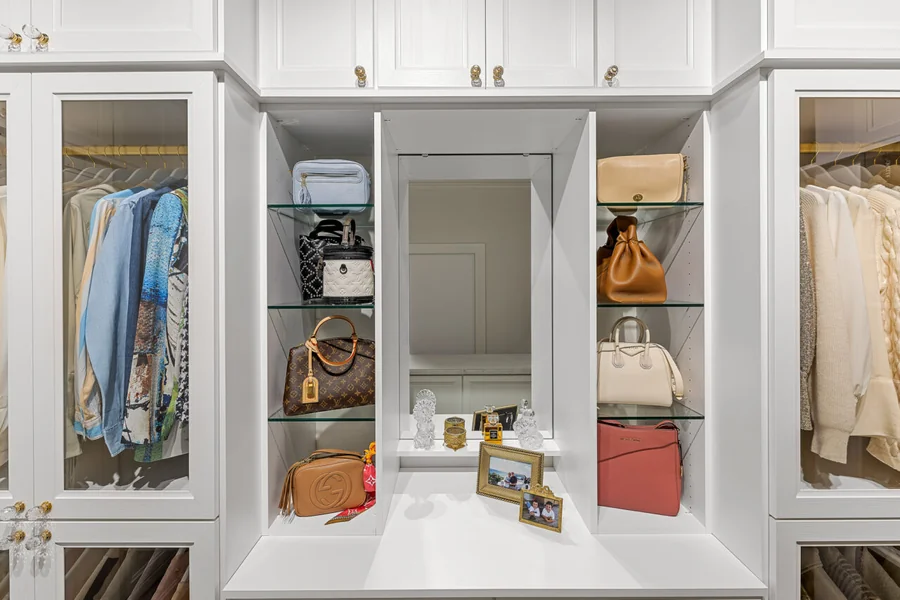
Luxury fashion has always influenced the way people dress, but modern consumers are becoming increasingly thoughtful about how they build their wardrobes. Instead of relying exclusively on recognizable labels, many shoppers now focus on design, versatility, craftsmanship, and the overall experience of wearing a product.
This shift has created a broader conversation about luxury-inspired fashion, accessible alternatives, and the growing importance of informed purchasing decisions.
Why Luxury Design Continues to Influence Everyday Style
The influence of luxury fashion extends far beyond runway collections. Tailored jackets, structured handbags, minimalist footwear, and carefully selected accessories frequently inspire mainstream fashion trends.
For many consumers, the appeal lies in visual details such as proportion, texture, color coordination, and timeless silhouettes. These characteristics can make an outfit feel refined without requiring an entirely designer wardrobe.
A well-balanced personal style often combines statement pieces with understated essentials. Neutral outerwear, versatile bags, and classic shoes can remain relevant across multiple seasons.
Understanding the Appeal of Luxury-Inspired Alternatives
Interest in luxury-inspired products reflects a wider desire for variety and accessibility. Consumers may appreciate the aesthetic direction of high-end fashion while exploring products at different price points.
In South Korea, shoppers researching luxury-inspired fashion may encounter the Korean term 레플리카, which is commonly used when discussing replica products and related shopping options.
It is important to distinguish between original designer goods, legally produced inspired designs, and products that reproduce protected trademarks. These categories can involve different expectations concerning authenticity, pricing, quality, and intellectual property rights.
Clear product descriptions and transparent communication help consumers understand what they are considering before making a purchase.
What Matters Beyond Appearance?
Photographs can make products look appealing, but visual presentation alone does not establish quality. Consumers benefit from examining several practical details.
Materials and Texture
The appearance of leather, fabric, hardware, and stitching can influence how a product looks and feels. Close-up photographs and accurate material descriptions are more useful than broad claims about premium quality.
Construction and Finishing
Consistent stitching, aligned panels, functional closures, and carefully finished edges contribute to the overall impression of a product. These details are especially important for bags, shoes, and outerwear.
Sizing and Everyday Comfort
A visually attractive garment is only useful when it fits comfortably. Measurements for the chest, shoulders, sleeves, and overall length can help buyers make more informed decisions.
Product Photography
Clear photographs taken under natural or consistent lighting can reveal details that heavily edited promotional images may obscure. Buyers should distinguish between styling photographs and images of the actual item.
Building a Wardrobe Around Personal Style
A practical approach to fashion begins with understanding which pieces suit everyday routines.
Someone who prefers minimalist dressing may benefit from neutral knitwear, simple outerwear, and structured accessories. A shopper drawn to statement fashion may instead focus on distinctive textures, silhouettes, or seasonal accents.
Rather than purchasing products solely because they resemble a current trend, consumers can consider whether each item works with clothing they already own.
This approach encourages a wardrobe that feels cohesive, functional, and personal.
The Importance of Informed Fashion Shopping
Digital shopping has made fashion discovery more convenient, but it has also increased the importance of evaluating product information carefully.
Consumers should review material specifications, size charts, return conditions, seller policies, and authenticity representations. When a product references a luxury brand, understanding whether it is genuine, inspired by a design, or a replica is particularly important.
Responsible purchasing decisions depend on accurate information rather than assumptions based on appearance alone.
Final Thoughts
Modern fashion is increasingly shaped by personal expression, practical considerations, and access to diverse design influences.
Luxury aesthetics will continue to inspire wardrobes around the world, but thoughtful shoppers look beyond labels and promotional images. Understanding materials, construction, fit, authenticity, and seller transparency helps consumers make choices that reflect their individual priorities.
