


Living in the Triangle means you have access to some of the best medical innovations in the world. Yet, for many people in Raleigh, the daily struggle with depression feels like a weight that no amount of local sunshine or research-backed medicine can lift. You might have spent years trying different prescriptions, adjusting dosages, and dealing with side effects that sometimes feel worse than the original symptoms. If this sounds like your reality, you are likely looking for a better way forward. This Best TMS Therapy Raleigh Guide for Patients is designed to show you that a different path exists, right here in your own backyard.
Transcranial Magnetic Stimulation, or TMS, is not just another medication. It is a technological approach to mental wellness that targets the root of the problem without the systemic issues that come with pills. When you are stuck in a cycle of treatment resistant depression, the parts of your brain responsible for mood regulation essentially go quiet. TMS acts as a gentle wake-up call to those specific areas. It uses magnetic pulses to stimulate nerve cells, helping your brain rebuild the neural pathways necessary for a stable, healthy mood.
Understanding the Science Without the Syllabus
You do not need a medical degree to understand why TMS is gaining so much traction among Raleigh residents. Think of your brain like a complex electrical grid. In a healthy state, every part of the grid communicates perfectly. When depression sets in, the “prefrontal cortex” (the area right behind your forehead) loses its spark. Traditional medications attempt to fix this by flooding your entire body with chemicals, hoping enough of them reach the brain to make a difference. This is why you might experience weight gain, fatigue, or a “foggy” feeling in your head.
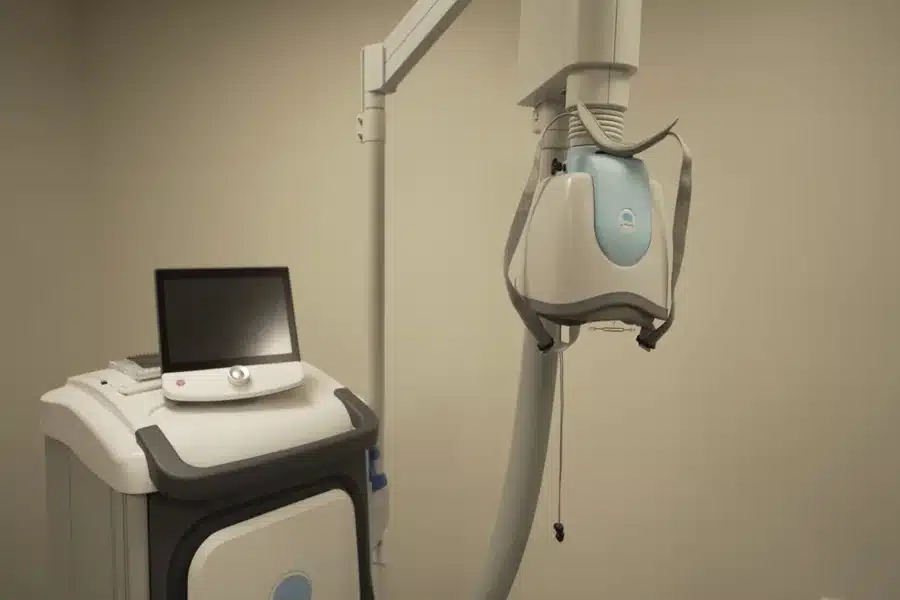
TMS is different because it is a localized, **non-invasive brain stimulation** technique. Instead of a pill that travels through your digestive system and bloodstream, TMS uses a small magnetic coil to focus energy exactly where it is needed. These magnetic pulses are similar in strength to what you would experience during an MRI. They pass through your skull painlessly and induce a small electrical current in the brain tissue. This current encourages the neurons to fire again. Over several weeks, this repetitive stimulation helps the brain “remember” how to regulate mood on its own.
One of the most appealing aspects for patients is the lack of systemic side effects. You will not have to worry about the nausea or sleep disturbances often associated with oral antidepressants. Most people simply describe a light tapping sensation on their head during the session. Once the session is over, you can get right back to your day. You can drive yourself to the clinic, have your treatment, and then head straight to a meeting or a lunch date in North Hills without any downtime.
What Your Daily Rhythm Looks Like During Treatment
Commitment is a big part of the TMS journey. A standard course usually involves sessions five days a week for about six to nine weeks. While that might sound like a lot, the sessions themselves are relatively short. Most modern protocols take about 20 to 30 minutes. If you are a busy professional or a parent in the Raleigh area, you can easily fit this into your morning routine or a lunch break.
Your first visit is what clinicians call the “mapping” session. This is where the specialist determines the exact location and intensity of the magnetic pulses needed for your specific brain structure. Everyone’s brain is shaped a bit differently, so this step ensures the treatment is tailored specifically to you. Once the coordinates are set, the subsequent daily sessions are very straightforward. You sit in a comfortable, reclining chair, much like one you would find in a high-end dentist’s office. You can watch television, listen to music, or just chat with the technician while the machine does its work.
During the treatment, you will hear a clicking sound, often compared to a woodpecker tapping on a tree. This is the sound of the magnetic coil discharging. You might feel a slight tingling or tapping on your scalp, but it is rarely described as painful. Most patients find the routine becomes a peaceful part of their day, a dedicated half hour where they are actively investing in their own recovery.
Navigating the Financial Maze and Insurance in North Carolina
One of the biggest hurdles for anyone seeking **modern depression treatments** is the cost. Fortunately, the landscape for TMS coverage has changed drastically over the last few years. In North Carolina, major insurers like Blue Cross Blue Shield of North Carolina (BCBSNC), United Healthcare, and Aetna have recognized the clinical effectiveness of TMS and offer robust coverage for it. Because it is FDA cleared, it is no longer viewed as an “experimental” procedure.
However, there is usually a process called “step therapy” that you must navigate. Most insurance companies want to see that you have tried at least two different classes of antidepressant medications without success before they will authorize TMS. They may also want to see that you have participated in talk therapy. This is why it is vital to work with a clinic that understands the local insurance requirements. They can help gather your medical records and submit the necessary paperwork to prove medical necessity.
Even if you have not “failed” two medications yet, it is still worth having a consultation. Some patients choose to pay out of pocket if they are sensitive to medications or simply want to avoid them. Many clinics in the Triangle offer payment plans to make the investment more manageable. When you consider the long term cost of prescriptions, doctor visits, and the “hidden” costs of lost productivity due to depression, TMS often proves to be a very cost effective solution.
What Success Really Feels Like
It is important to have realistic expectations. TMS is not an “instant fix” that works after a single afternoon. Instead, it is a gradual process of rebuilding. Most patients start to notice a difference around the third or fourth week of treatment. It often starts with small things. You might notice you have a bit more energy to get out of bed in the morning. Maybe a hobby that used to feel like a chore starts to seem interesting again. Your friends or family might even notice a change in your “vibe” before you do.
Many patients describe the feeling as a “dimmer switch” being slowly turned up. The world starts to look a little brighter, and the heavy fog of depression begins to lift. For some, this leads to a **long term remission** where they no longer feel the need for daily medication. For others, it significantly reduces the severity of their symptoms, making their existing treatments much more effective. The goal is to get you back to a place where you feel like yourself again, capable of enjoying everything Raleigh has to offer, from the trails at William B. Umstead State Park to the vibrant downtown art scene.
If you have been feeling stuck, know that you are not alone. Thousands of people in our community have found relief through this technology. Taking that first step toward a consultation might feel overwhelming, but it is often the most important move you can make toward reclaiming your life. You deserve to feel well, and the tools to help you get there are closer than you think.
