


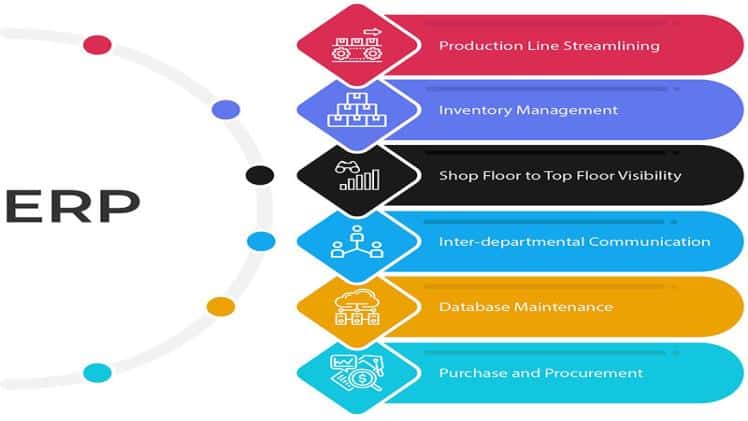
Manufacturing is an industry that thrives on efficiency and precision. Every step must be perfectly coordinated, from raw materials to finished products. But how can manufacturers achieve such synchronisation? The answer lies in Enterprise Resource Planning systems. These robust tools have become essential in modern manufacturing, streamlining processes and enhancing productivity. So, explore how these systems can effectively transform your
Enhancing Efficiency and Productivity
One of the pertinent benefits of ERP for manufacturing is the significant boost in the overall efficiency and productivity. With ERP, manufacturers can automate repetitive tasks, reducing the time and effort required. This automation enables employees to effectively focus on more strategic activities, ultimately driving productivity quickly.
For instance, ERP systems can automate inventory management by tracking real-time stock levels. When stock levels are low, the system can automatically reorder supplies, preventing production delays. This seamless process ensures that production lines keep moving without interruptions.
Streamlining Communication and Collaboration
How can ERP systems improve communication within a company? ERP systems facilitate much
better communication and collaboration by integrating all departments into a single platform. Whether the sales team forecasts demand or the production team plans schedules, everyone has access to the same data.
This centralised approach eliminates silos and fosters a more collaborative environment. For example, the sales team can provide accurate demand forecasts based on real-time data, helping the production team plan more effectively. This synchronisation reduces bottlenecks and ensures that everyone is on the same page.
Improving Quality Control
Quality control is a critical aspect. ERP systems are vital in maintaining high-quality standards by providing proper insights into the production process. They can track and monitor every step, from raw material procurement to the final item inspection.
By analysing this data, plants can identify patterns and trends affecting quality. For instance, if a particular batch of raw materials consistently results in defects, the ERP system can flag this issue. This proactive approach enables them to effectively address problems before they escalate, ensuring that the final products meet the highest standards.
Cost Management and Reduction
Managing costs is always a priority. ERP systems offer robust financial management tools that help in budgeting, forecasting, and cost control. They provide a clear view of expenses across the entire production process, enabling plants to identify areas where they can reduce costs.
For example, ERP systems can highlight inefficiencies in the supply chain, such as excessive transportation costs or wasteful procurement practices. By addressing these issues, manufacturers can reduce operational costs and improve their bottom line.
Adapting to Market Changes
The manufacturing industry evolves endlessly, with new technologies and market trends emerging regularly. ERP systems tend to provide the flexibility needed to adapt to these changes quickly. They offer the best possible solutions that can grow with the business, ensuring manufacturers are always ready to meet new challenges.
Moreover, ERP systems can integrate with other advanced technologies like the Internet of Things (IoT) and artificial intelligence (AI). This integration allows manufacturers to leverage cutting-edge innovations to enhance their operations further. For instance, IoT sensors can quickly provide real-time data on equipment performance, while AI algorithms can optimise production schedules.
Ensuring Regulatory Compliance
Regulatory compliance is a significant concern for manufacturers, as they have stringent standards and regulations. ERP for manufacturing simplifies this process by providing tools to manage compliance requirements effectively. They can track and document every aspect of production, ensuring that all regulatory standards are met.
For example, ERP systems can generate compliance reports automatically, saving much time and reducing the risk of errors. This capability is precious in industries with strict regulatory mandates, such as pharmaceuticals or food manufacturing.
Integrating ERP systems into their operations can help manufacturers stay competitive in the market. The benefits are clear, and the future of manufacturing depends on embracing these advanced technologies. With ERP systems, manufacturers can achieve new productivity, quality, and profitability levels, paving the way for sustained success.
