



Fungal infections can be a relentless and very frustrating issue. While you can’t completely prevent them, you can significantly reduce your chances of developing fungal infections by making a few crucial adjustments to your diet and lifestyle.
This article will focus on key aspects of diet and lifestyle that can help prevent fungal infections, providing useful tips, advice, and answers to common questions.
Diet and Fungal Infections
Reduce Sugar Levels
Fungi are very fond of sugar. High blood sugar levels tend to create a perfect environment for fungal growth, especially Candida. The way out of danger is to minimize sugar consumption: Do not drink sugary drinks and do not consume sweets and cakes and pastries. Choose natural sweeteners instead: Stevia or monk fruit and from fresh fruits in limited quantities.
Antifungal Foods
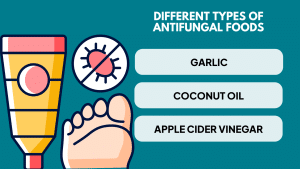
Some foods have natural antifungal properties and thus are able to prevent infections. They include garlic, coconut oil, and apple cider vinegar. Garlic contains allicin, a compound with strong antifungal and antimicrobial properties.
Coconut oil is rich in caprylic acid and helps struggle against fungal overgrowth. In turn, apple cider vinegar maintains the balance of the body’s pH and slows down fungal growth.
Maintaining a Balanced Diet
A balanced diet leads to, and is the sign of, a strong immune system, in all respects necessary for the prevention of fungal infections. Ensure your diet includes a good variety of fruits, vegetables, whole grains, lean proteins, healthy fats, and purehealth research fungus eliminator. This can help you fight off infections through proper eating, and proper taking of vitamins.
An intact gut microbiome can suppress a number of fungal infections, most of them caused by Candida. Probiotics are found in yogurt, kefir, sauerkraut, and other fermented foods. They work to keep a healthy level of bacteria in the gut. You may consider taking up probiotic supplements to boost your gut health.
Hydration
Staying hydrated is an important factor in staying healthy and helps to rid your body of toxins. Drinking plenty of water is also important for keeping your skin and mucous membranes hydrated. This will serve as a barrier against such fungal infections.
Lifestyle Adaptations to Prevent Fungal Infections
Maintenance of Good Personal Hygiene
Maintaining good hygiene is necessary to keep away from fungal infections. Wash hands at regular intervals, and especially after touching dubious surfaces. Keep the skin clean and dry, especially in the fold regions like the feet and groin. Change socks and underwear daily, and avoid sharing personal items like towels and razors.
Wear Breathable Clothing
Tight and non-breathing clothing can trap perspiration, therefore ideal for fungi. Dress loosely in clothing made from natural fibers such as cotton and linen. If possible, change out of sweaty clothes as soon as possible, especially after having played sports or being in a hot environment for a long time.
Keep Your Surroundings Clean
This is the perfect environment for fungi to grow in. Clean and dry up most of the areas in your houses which hold a great amount of moisture such as toilets and kitchens. Apply some antifungal spray and cleaner if necessary to check growths of molds.
Managing Stress
Chronic stress can drain your immune system and make you an easy target for infections. De-stress yourself by using activities like meditation, yoga, deep breathing exercises, or simply spending quality time in nature. Proper sleep is also an essential requirement to improve your immune system.
Exercise Regularly
Regular physical activity improves your immune system and health. Strive for 30 minutes or more of moderate exercise most days of the week. Include activities like walking, cycling, swimming, and strength training in your routine. These improve circulation and encourage a healthy immune response.
More Tips to Prevent Fungal Infections
Avoid Walking Barefoot in Public Areas
Major places of residence for fungi that cause various infections are public, such as locker rooms, swimming pools, and communal showers. Always wear flip-flops or shower shoes to protect your feet from fungal infections, including those of athlete’s foot.
Care for Your Nails
Fungi easily infect the nails, causing conditions as serious as toenail fungus. Clean and trim your nails, do not share personal grooming tools like nail clippers, etc. If you use a nail salon, make sure they accomplish proper sanitation.
Antifungal Powder
If you’re prone to fungal infections, using antifungal powder can help keep your skin dry and less susceptible to fungi. Apply the powder to areas that tend to become moist, such as the feet and groin.
Strengthen Your Immune System
Strong immunity is the best defense against infections. In addition to a healthy diet, ensure you get adequate sleep, manage stress, and avoid smoking and excessive alcohol consumption. Supplementation like Vitamin C, Vitamin D, and Zinc is also useful in helping a solid immunity.
Monitor and Treat Early Signs
Prompt treatment of fungal infections can prevent them from becoming too serious. If you see any warning signs, do consult a doctor without wasting any time. Generally, antifungal creams and preparations available over-the-counter can help in their initial stages. However, more severe cases need medication under a physician, who can provide a prescription treatment.
Conclusion
Avoiding fungal infections can be achieved through a set of dietary, hygienic, and lifestyle measures. By significantly reducing the intake of sugar, eating antifungal foods, sticking to a diet, and maintaining overall good hygiene, you reduce the risk of ever acquiring fungal infections.
It’s important to manage stress, stay hydrated, and exercise regularly to strengthen your immune system and ward off fungal infections.
Monitor your body for any early infection and seek the medic in need. These proactive steps can lead to a healthier and better well-being, living free from the elements of discomfort and inconvenience due to the invasion of the fungi.
FAQs
- What are common signs of a fungal infection?
Common symptoms of a fungal infection are itching, redness, and a rash. An individual suffering from severe cases of fungal infections gets swellings, blisters, or peels the skin.
- How much time does it take for making changes in diet in order to affect fungal infections?
The impacts of this treatment cannot be specified in particular time periods, but in general, a few weeks of carrying out the diet changes will start showing their effects.
- What about antifungal foods?
While a healthy diet can help manage fungal growth, it’s best to combine dietary changes with good hygiene and lifestyle practices for better protection.
