


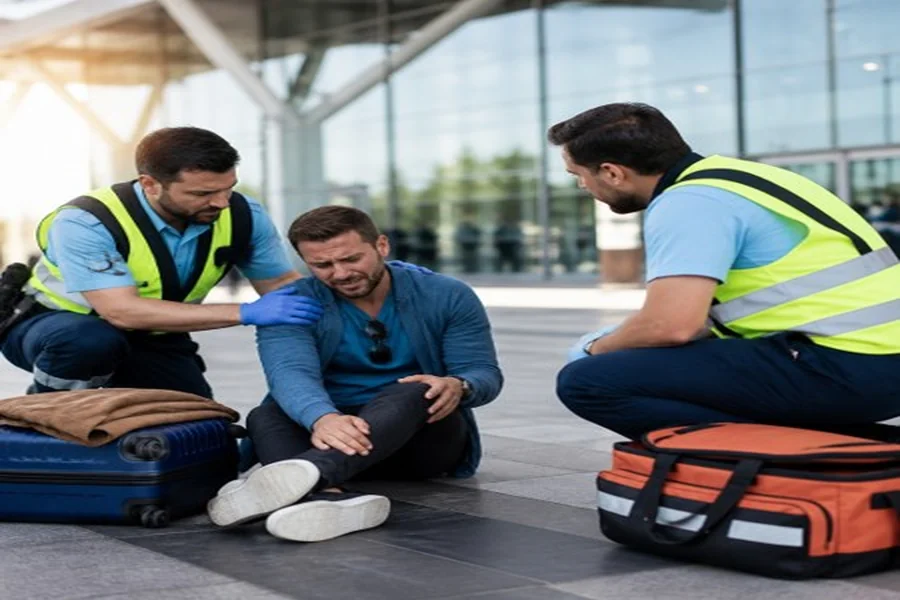
Medical emergencies do not respect borders or itineraries. Whether you are in the middle of a business trip, a family holiday, or an extended work placement overseas, a sudden health crisis can derail plans and expose significant gaps in preparation. For travellers to the Middle East and other international destinations, understanding how emergency care systems differ from home—and what steps to take before a crisis arrives—can mean the difference between swift, effective treatment and dangerous delays.
The Reality of Medical Emergencies Overseas
Heart attacks, strokes, severe allergic reactions, traumatic injuries, and acute infections do not wait for convenient moments. They occur with the same frequency abroad as they do at home, but the response infrastructure varies dramatically by location. In some regions, ambulance services operate on a subscription model or require upfront payment. In others, emergency departments may not have immediate access to specialists, advanced imaging, or blood products that would be routine in Western hospitals.
Language barriers compound these challenges. Medical terminology is precise, and miscommunication about symptoms, allergies, or current medications can lead to diagnostic errors or dangerous drug interactions. Even in countries where English is widely spoken in business settings, healthcare workers in emergency situations may default to their native language under pressure.
Preparing Before You Travel
Preparation begins weeks before departure. Obtain a full printed copy of your medical history, including diagnoses, surgical procedures, current medications with generic names, known allergies, and immunisation records. Digital copies stored in cloud services can fail when you need them most due to connectivity issues or dead devices. A laminated card with critical information in your wallet is more reliable than any app.
Research the healthcare infrastructure at your destination. Identify hospitals with international accreditation, ideally those affiliated with recognised global healthcare systems. Check whether your travel insurance covers emergency medical evacuation, which can cost upwards of fifty thousand pounds depending on distance and medical complexity. Standard travel policies often exclude pre-existing conditions or cap emergency treatment at levels insufficient for serious incidents.
Medication and Documentation
Carry prescription medications in original packaging with clear labels. Some countries have strict regulations on controlled substances, including common medications for anxiety, pain, or attention disorders. A letter from your GP on headed paper, detailing medical necessity and dosages, can prevent customs complications. Pack medications in hand luggage to avoid loss, and bring enough for your entire trip plus a week’s buffer.
Travellers with chronic conditions should carry a brief written summary in the local language explaining their condition and emergency treatment needs. Translation apps are helpful but unreliable in high-stress situations or areas with poor connectivity.
Recognising When to Seek Emergency Care
Certain symptoms always warrant immediate emergency attention: chest pain or pressure, difficulty breathing, sudden severe headache, weakness or numbness on one side of the body, uncontrolled bleeding, signs of severe allergic reaction, or altered mental status. These are universal red flags regardless of location. Delaying care in the hope that symptoms will resolve, or attempting to tough it out until you return home, can result in permanent disability or death.
The threshold for seeking care should be lower when abroad. Symptoms that might prompt a wait-and-see approach at home—persistent fever, severe abdominal pain, or concerning changes in a chronic condition—deserve earlier evaluation when you are far from familiar providers and medical records.
Accessing Quality Emergency Care in the UAE
For travellers in the United Arab Emirates, particularly Abu Dhabi, the healthcare landscape includes internationally accredited facilities with multilingual staff and equipment standards matching or exceeding those in Western countries. Comprehensive emergency departments operate around the clock with subspecialist support, advanced imaging, and streamlined admission processes. When a serious medical event occurs, facilities such as the Emergency hospital Abu Dhabi provide immediate access to multidisciplinary teams capable of managing everything from cardiac emergencies to complex trauma, with direct links to specialised institutes for conditions requiring ongoing inpatient care.
These facilities accept international insurance and can coordinate with overseas insurers in real time, reducing the administrative burden on patients and families during critical moments. Electronic health records enable continuity of care if admission is required, and international patient services departments assist with documentation, translation, and communication with family members in different time zones.
Mental Health Emergencies and International Care
Mental health crises are often overlooked in travel emergency planning, yet psychiatric emergencies—severe panic attacks, acute suicidal ideation, psychotic episodes, or medication withdrawal—can be as urgent as physical trauma. Not all countries have equivalent mental health infrastructure, and stigma varies significantly by culture. Some destinations lack inpatient psychiatric facilities entirely, while others have limited training in evidence-based interventions. Understanding treatment philosophies in different regions becomes essential, particularly for travellers managing ongoing mental health conditions. Emerging non-invasive approaches are gaining traction in some healthcare systems, though access and acceptance remain inconsistent globally.
Travellers with psychiatric conditions should carry crisis plans detailing early warning signs, de-escalation strategies, and emergency contacts. If you take psychotropic medications, ensure you have sufficient supply and documentation, as refills can be difficult to obtain abroad and some medications may not be available in all countries.
Cancer Emergencies and Ongoing Treatment Abroad
Cancer patients who travel face unique risks. Chemotherapy and radiation suppress immune function, increasing infection risk. Neutropenic fever—a life-threatening complication of low white blood cell counts—requires immediate intravenous antibiotics. Travellers undergoing active treatment should consult their oncologist before any international trip and carry a treatment summary including cancer type, stage, current regimen, and recent blood counts.
For patients seeking care abroad or managing treatment interruptions, access to advanced oncology services matters. Modern cancer care relies on multidisciplinary tumour boards, precision diagnostics, and coordinated subspecialty input. Breakthrough treatments continue to evolve rapidly, and centres with robust research programmes offer access to newer protocols and technologies, though availability varies by country and healthcare system.
Financial Considerations and Insurance
Medical costs abroad can be shockingly high, particularly in private hospitals catering to international patients. A single emergency department visit can run into thousands, and complex admissions involving surgery or intensive care can reach six figures. Understand your insurance coverage in detail before departure. Many policies require pre-authorisation for hospital admission or impose per-incident caps that seem adequate until you face a serious emergency.
Keep copies of your insurance card, policy number, and 24-hour emergency contact number in multiple locations. Some insurers assign case managers to coordinate care and negotiate directly with hospitals. Contact them as soon as possible after an emergency, ideally while still in the emergency department. Payment guarantees can facilitate admission and prevent holds on treatment.
After the Emergency: Follow-Up and Continuity
Once the immediate crisis resolves, continuity of care becomes the next challenge. Obtain complete copies of all medical records, imaging studies on disc, and discharge summaries before leaving the facility. Request detailed medication lists with generic names, as brand names differ internationally. Schedule follow-up with your home providers as soon as possible and ensure they receive complete documentation of what occurred abroad.
If you require ongoing treatment or monitoring, ask the overseas facility about telemedicine follow-up options or coordination with your home providers. Some international hospitals maintain networks of affiliated physicians who can provide continuity across borders.
Building a Personal Emergency Protocol
Every international traveller should have a written emergency protocol: a one-page document listing emergency contacts, medical conditions, medications, allergies, insurance details, and the nearest suitable hospitals at your destination. Share this with travelling companions and store copies in your phone, email, and luggage. Update it before each trip.
Medical emergencies are unpredictable, but preparedness is entirely within your control. The investments you make in planning—comprehensive insurance, proper documentation, facility research—pay dividends when seconds count and clear thinking becomes difficult. Travel enriches life, but only when health and safety anchor the experience.
