


TL;DR
- Having itchy legs at night is a common problem that results from skin circadian rhythms, dehydration, and increased nerve sensitivity.
- Sarna Sensitive Anti-Itch Lotion provides a solution to the problem without the use of steroids, utilizing 1% Pramoxine Hydrochloride to reduce itch messages at the surface of the skin.
- Created using Squalane, Jojoba Oil, and Aloe derived from plants to nourish dry skin, soothe irritation, and revive skin’s softness.
- Approved by the National Eczema Association, which makes it a superb, hypoallergenic product for sensitive or eczema-prone skin.
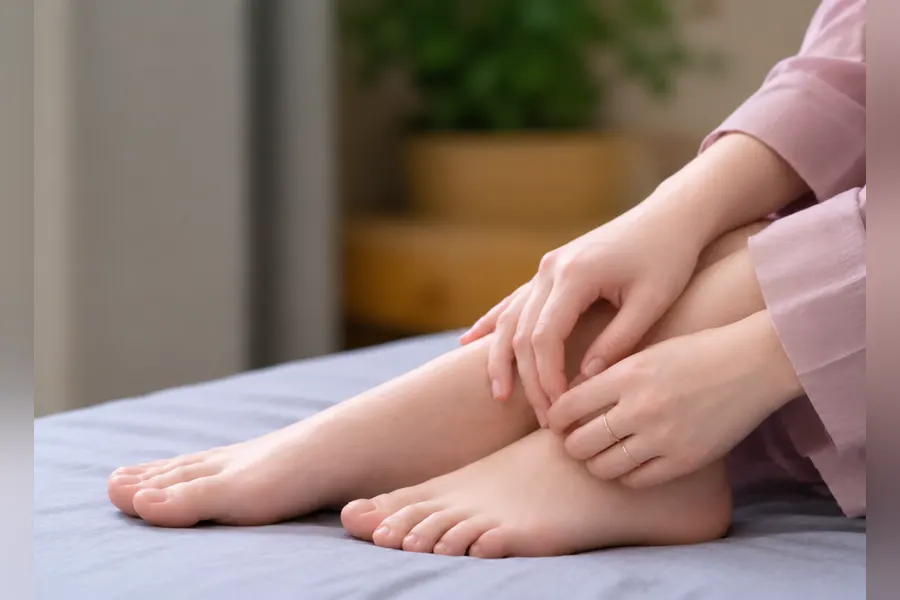
Going to bed after a hard day’s work is supposed to be relaxing. But for many people, once they get to bed, a sharp and tingling itch starts to occur in their legs, calves, or ankles. Having itchy legs at night could affect your sleep schedule, causing you to feel tired in the morning.
While it may seem strange that your skin gets irritated when you are trying to sleep, there is an actual reason behind your nighttime itching. By learning why your skin gets irritated at night and taking care of it with a proper skincare routine before bed, you can relieve itching, preserve the skin barrier, and get a good night’s sleep.
Why Do You Experience Itchy Legs at Night?
To solve the problem of itchy legs at night, it is beneficial to look at what takes place in your body at evening time. Your body functions according to an internal 24-hour cycle called the circadian rhythm that controls almost all biological processes in the body, such as core body temperature, hormone secretion, and even skin cells activity.
As evening approaches, several natural physiological shifts occur simultaneously
- Transepidermal Water Loss – Your skin has a natural tendency to lose water faster at night than during the day. The phenomenon is called transepidermal water loss, which makes your lower legs dry, tight, and intensely itchy.
- Skin Temperature Increase – Core body temperature falls a bit to get ready for sleeping, making blood vessels expand. Higher skin temperature and blood flow will make your legs more sensitive to sensations from nerves in your legs.
- Decreased Cortisol Levels – Cortisol is an anti-inflammatory hormone that is created by your body. Cortisol levels are high in the morning to help you get out of bed, while in the evening cortisol levels reach their minimum. So your skin becomes very vulnerable to itching and irritation.
- The Lack of Distraction During the Day – Physical and mental activities keep your brain busy throughout the day. When you find yourself in the silence of your room at night, you become more sensitive to physical sensations, such as itchy legs.
How Pramoxine Hydrochloride Mutes Nighttime Itch Signals
When skin on the lower legs becomes dry or reactive, sensory nerves near the surface send distress signals up to the brain, triggering the automatic urge to scratch. Scratching might bring a split second of relief, but it disrupts the delicate skin barrier, causing micro-injuries that lead to further inflammation and an even stronger itch response.
Breaking this cycle requires an active topical ingredient that calms overactive skin nerves without relying on harsh chemicals or prescription steroids. Sensitive Anti-Itch Lotion utilizes 1% Pramoxine Hydrochloride, a gentle yet highly effective topical anesthetic.
Unlike traditional antihistamines or hydrocortisone creams, Pramoxine Hydrochloride works by temporarily blocking nerve impulses right where the lotion is applied. By muting the local sensory signals before they reach the brain, it provides fast, targeted relief from the uncomfortable tingling and itching that disrupt your sleep.
Nourishing Sensitive Skin with Plant-Derived Botanicals
Effective night care requires more than just stopping the itch sensation; it must also address the underlying dryness and barrier compromise that trigger irritation in the first place. A lotion designed for sensitive skin should restore lost lipids while remaining completely free from potential irritants.
Sarna Sensitive Anti-Itch Lotion pairs its active itch reliever with a rich blend of plant-based conditioning ingredients
- Plant-Derived Squalane – Mimicking the skin’s natural lipid structure, squalane absorbs deeply to restore flexibility, prevent moisture loss, and smooth rough, flaky skin textures on the lower legs.
- Jojoba Oil – Rich in essential fatty acids, Jojoba Oil helps reinforce the natural lipid barrier, sealing in hydration and shielding delicate skin against dry nighttime air.
- Aloe Vera – Renowned for its soothing properties, Aloe provides an instant cooling effect, calming surface redness and leaving irritated skin feeling soft and refreshed.
Furthermore, this dermatologist-tested formulation is accepted by the National Eczema Association. It is 100% vegan, steroid-free, fragrance-free, paraben-free, mineral oil-free, and hydroquinone-free, making it exceptionally safe for sensitive or eczema-prone skin types.
Bedtime Step-by-Step Routine to Soothe Itchy Legs
Incorporating a deliberate evening care routine helps prepare your skin for rest and minimizes nighttime flare-ups. Follow these practical steps before heading to sleep
Take a Lukewarm Evening Shower or Bath
Wash your legs with lukewarm water. Excessively hot water strips away essential natural oils, accelerating moisture loss and making itchy legs at night much worse. Use a gentle, fragrance-free cleanser.
Pat Skin Gently Dry
Upon stepping out of the shower, gently pat your legs with a clean, soft towel. Leave skin slightly damp to help lock in surface moisture.
Apply Anti-Itch Lotion
For adults and children 2 years of age and older, dispense a generous amount of Sensitive Anti-Itch Lotion into clean hands. Smooth the lightweight lotion evenly across your legs, thighs, and ankles. It absorbs quickly without leaving a heavy or sticky residue, allowing you to slide straight into bed comfortably.
Practice Safe Frequency
Apply the lotion to affected areas no more than 3 to 4 times daily as needed to keep discomfort under control throughout the night.
Smart Sleep Habits for Smooth, Comfortable Skin
Combining targeted topical skincare with supportive bedroom environment adjustments helps keep your legs comfortable all night long
- Optimize Bedroom Humidity – Use a cool-mist humidifier in your bedroom during dryer months to maintain healthy moisture levels in the air.
- Wear Breathable Nightwear – Choose loose-fitting pajama bottoms made from natural, breathable fabrics like 100% organic cotton or bamboo to minimize friction against your skin.
- Avoid Heavy, Trapping Blankets – Excess thermal buildup under heavy bedding can warm up your skin and trigger itching. Layer lightweight, breathable blankets instead.
- Keep Fingernails Trimmed – Keeping nails short prevents accidental skin damage if you happen to reach down to scratch while sleeping.
Tackling itchy legs at night does not have to be a constant struggle. By choosing a gentle, dermatologist-trusted formula, you can calm nerve endings, deeply nourish your skin barrier, and enjoy restful, comfortable nights of sleep.
