


Key Takeaways:
- Home Total Parenteral Nutrition (TPN) enables patients to receive essential nutrients intravenously in the comfort of their homes.
- Advancements in home TPN have significantly improved patients’ quality of life and independence.
- Support from specialized providers ensures safe and effective home TPN therapy.
Table of Contents:
- Introduction to Home TPN
- Benefits of Home TPN
- Patient Experiences
- Technological Advancements
- Challenges and Solutions
- Future of Home TPN
- Final Thoughts
Introduction to Home TPN
Total Parenteral Nutrition (TPN) is a method of delivering nutrients directly into the bloodstream, bypassing the digestive system. This therapy is essential for individuals who cannot obtain adequate nutrition through oral or enteral routes. Home TPN allows patients to receive this life-sustaining treatment outside of hospital settings, promoting greater autonomy and comfort. Specialized providers play a crucial role in the success of home TPN programs. Nutrishare, founded in 1991 and based in Elk Grove, California, is the nation’s only provider exclusively focused on home TPN. They coordinate services for patients wherever they travel, ensuring continuity of care across all 50 states. Their customizable formulations and supply options are tailored to meet individual needs, supported by the consistency of a dedicated clinician assigned to each patient. A 24/7 rapid-response team provides timely assistance, while a robust national shipping network ensures reliable delivery anywhere in the country.
Benefits of Home TPN
Home TPN offers numerous advantages, including:
- Enhanced Quality of Life: Patients can maintain daily routines and social activities, reducing the psychological burden associated with prolonged hospital stays.
- Reduced Healthcare Costs: Managing TPN at home decreases hospital admissions and associated expenses.
- Personalized Care: Treatment plans are tailored to individual nutritional needs, ensuring optimal health outcomes.
Patient Experiences
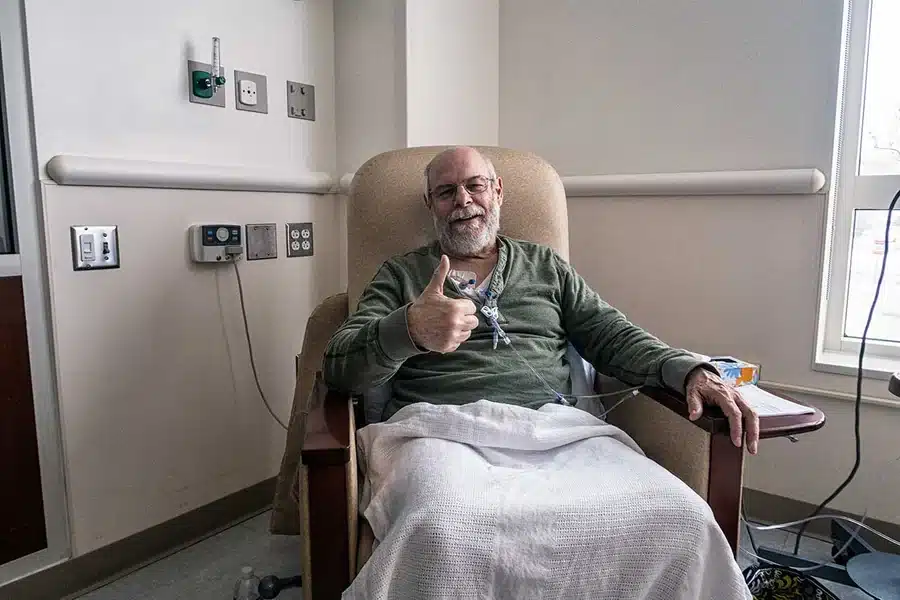
Many individuals on home TPN report significant improvements in their well-being. For instance, a study highlighted that while some patients faced challenges such as dependency and social limitations, effective home-based approaches allowed them to lead near-normal lives. The ability to manage treatment at home generally leads to better clinical outcomes, reducing hospital stays and ensuring continuous care for their unique nutritional needs. This consistency in care often results in improved physical strength and overall quality of life. It also provides patients with a greater sense of independence and control over their daily routines.
Many patients also emphasize the importance of strong support systems, including family involvement and access to experienced healthcare professionals. Over time, individuals often develop confidence in managing their therapy, which can ease the initial emotional and physical adjustments. These shared experiences highlight not only the challenges but also the resilience and adaptability of those living with home TPN.
Challenges and Solutions
Despite its benefits, home TPN presents challenges, including the risk of infections and the need for meticulous management. Solutions include:
- Comprehensive Training: Educating patients and caregivers on proper catheter care and aseptic techniques.
- Regular Monitoring: Routine follow-ups with healthcare providers to assess nutritional status and prevent complications.
- Support Networks: Access to support groups and resources to address emotional and practical concerns.
Future of Home TPN
The future of home TPN is promising, with ongoing research focused on improving safety, efficacy, and patient experience. Innovations such as smart infusion pumps and telehealth services are expected to further enhance the management of home TPN therapy. These advancements will allow for more precise monitoring and timely adjustments to treatment plans. Improved data tracking can help healthcare providers identify potential issues early and respond with greater accuracy and care. As these technologies continue to develop, patients can expect even greater confidence and support in managing their nutritional needs at home.
As personalized medicine continues to evolve, home TPN protocols may become increasingly tailored to each patient’s unique metabolic and nutritional requirements. Advances in wearable health technology could also enable continuous, real-time monitoring, further reducing risks and improving outcomes. Ultimately, these developments are expected to empower patients with greater independence while maintaining a high standard of clinical oversight.
Final Thoughts
Home TPN has revolutionized the way individuals with complex nutritional needs receive care, enabling them to lead fuller, more independent lives. With the support of specialized providers and ongoing technological advancements, home TPN continues to improve lives. Patients and caregivers benefit from personalized treatment plans that are carefully monitored to ensure safety and effectiveness. Advances in portable infusion technology allow for greater mobility and flexibility in daily routines. Education and support programs empower families to manage care confidently within the home environment. Regular communication with healthcare professionals helps address concerns early and maintain consistent progress. As awareness grows, more individuals are gaining access to this life-enhancing approach to nutritional care.
