



Multiplayer games have evolved from mere entertainment into platforms for building friendships, creating communities, and fostering social connections. With the growing popularity of esports, especially in games like “Counter-Strike 2”, a dynamic social space has emerged. Professional esports teams, fan communities, and platforms have become integral parts of these ecosystems where players and fans actively interact with each other. And today we will get to know the gaming community from the inside.
Multiplayer Games as Hubs for Communication
Multiplayer games have always had a social component, but with the advent of tools like voice chat, in-game messaging, and platforms such as Discord and Twitch, the ways players communicate have greatly expanded. What was once limited to local interactions now encompasses global communities where people connect based on shared gaming interests.
Games like Valorant and CS2 foster social interaction around professional esports teams. Players and fans gather on forums or platforms like egamers world to track csgo live stats, discuss strategies, and watch CS2 and other matches. These communities are built not just around gameplay but also around shared experiences, friendships, and a sense of belonging.
Esports and the Growth of Organized Communities
Esports has redefined how multiplayer gaming communities function. In competitive games like Dota 2 and CS2, professional esports teams compete on the global stage, followed by millions of fans. These fans actively engage with the teams, tracking stats on platforms, discussing results based on csgo live stats, and watching performances in CS2 matches.
Online platforms bring fans closer together, allowing them to follow matches, analyze statistics, and connect through their shared passion for esports. Fans feel a sense of belonging not only to the game but also to a larger group of like-minded individuals.
Social Platforms: Enhancing Online Communities
While in-game communication has improved, platforms like Twitch and Discord have significantly enhanced the social aspect of games. Twitch allows viewers to interact in real-time during CS2 matches, creating a more immersive, community-driven experience.
Discord serves as an essential hub for players to socialize outside the game. Whether discussing strategies, planning games, or analyzing csgo live stats, this platform provides a space for building connections. Through these platforms, multiplayer gaming becomes a continuous social experience.
Friendship and Collaboration in Multiplayer Games
Multiplayer games are unique in their ability to foster cooperation and build friendships. In games like League of Legends (LoL) and CS2, teamwork is key to victory, requiring effective communication and strategic planning. This collaboration often leads to strong friendships as teammates bond over shared victories and challenges.
However, there is another side to this dynamic. Games like Dota 2 have a high entry barrier to both the community and the game itself, and the players are not known for their patience with newcomers. Having a microphone and voice chat in the game can quickly turn into a way to express your thoughts about a newbie who is playing the game for the first time. Such toxic behavior often drives new players away from popular online games.
Esports Teams: Strengthening Fan Communities
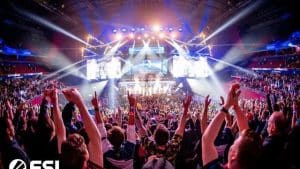
Esports teams play a crucial role in strengthening online communities. In games like CS2, teams develop dedicated fanbases that track their progress through platforms, following csgo live stats and watching CS2 matches. These fan communities bond over their shared support, forming close-knit groups.
Esports tournaments also serve as major social events. Fans gather both online and in person to watch matches, share insights, and cheer for their favorite teams, further strengthening the sense of community.
Competitive Play as a Social Experience
Competitive multiplayer games are inherently social. Whether analyzing csgo live stats or strategizing for upcoming CS2 matches, players are constantly interacting with one another. Beyond competition, they build connections through teamwork and shared goals, making competitive gaming a unique social platform.
Competitive play isn’t just about winning—it’s about achieving common goals, which makes it particularly significant from a social perspective. Whether in esports teams or casual groups, working towards a common result helps strengthen bonds between participants. As players develop strategies, choose tactics, and complete objectives together, they learn to trust each other, rely on their teammates, and support one another in difficult moments.
Additionally, competitive games offer many players the chance to demonstrate leadership qualities. In these games, one or more individuals are often needed to take charge and guide the team to victory. These leaders develop skills in communication, team management, and motivating other players, which not only contributes to success in the game but also fosters stronger social ties. Even if the team loses, collective effort and an understanding of the importance of teamwork create strong connections between players.
Spectator Culture: Watching and Engaging
The rise of esports has given birth to a powerful spectator culture. Watching CS2 matches, Dota 2 matches, or following match statistics has become a social event where fans gather online to discuss and react in real-time. Platforms like Twitch and YouTube allow fans to interact with each other during matches, enhancing the social aspect.
For many, esports is more than just watching games; it’s a way to bond with fellow fans. This shared experience fosters a sense of belonging as fans connect with others who share their passion for the game.
Conclusion: Multiplayer Games as Social Platforms
Multiplayer games have transformed into powerful platforms for social interaction, offering players and fans opportunities to create communities and build meaningful relationships. Whether through watching popular tournaments and matches, analyzing favorite esports teams, or supporting teams, these games provide players and fans with a place to connect.
Online platforms amplify this social experience by providing tools for tracking statistics, discussing strategies, and actively participating in the gaming community. In today’s digital world, multiplayer games have become modern social hubs where people from around the globe can connect, share experiences, and form lasting friendships.
