


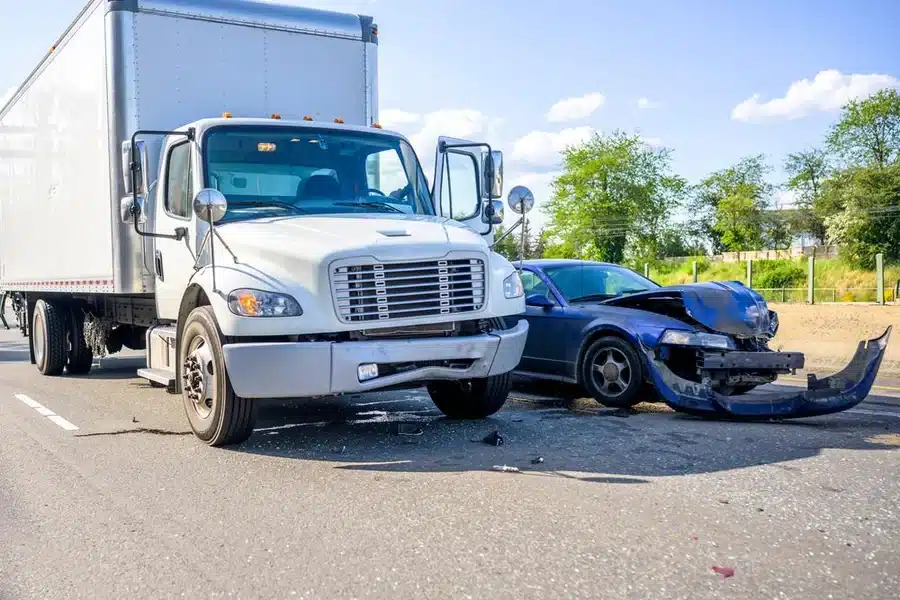
A serious truck accident in Queens can leave victims facing overwhelming physical, emotional, and financial challenges within moments of impact. Commercial truck crashes often cause catastrophic injuries because of the extreme size and weight of tractor-trailers moving through crowded New York roadways. Victims may suddenly find themselves dealing with surgeries, rehabilitation, chronic pain, lost income, insurance pressure, and uncertainty about how long recovery will take. Unlike ordinary vehicle accidents, trucking cases frequently involve multiple potentially responsible parties, including drivers, trucking companies, cargo handlers, maintenance contractors, and parts manufacturers.
Determining liability often requires reviewing electronic logging data, dispatch communications, maintenance records, surveillance footage, and compliance with federal trucking regulations before critical evidence disappears. During this difficult period, truck crash victims’ legal advocates help preserve records, investigate fault, and manage aggressive tactics from commercial carriers. New York’s comparative fault laws can also complicate negotiations, making early legal analysis especially important when insurers attempt to shift blame or minimize damages. Strong legal representation can help injured victims pursue compensation for medical care, lost earnings, future treatment needs, pain and suffering, and long-term physical limitations after a devastating commercial truck collision.
Who Could Be Responsible
Serious trucking cases rarely stop with one defendant. A motorist may have driven too fast, ignored fatigue limits, or misread traffic flow. The company that hired that person can share fault for weak screening, poor instruction, or skipped service. Loading teams may create sway or rollover danger through uneven freight placement. Parts manufacturers also face exposure if brakes, tires, or steering components fail. A police report helps, but it seldom answers every liability question.
Fast Evidence Shapes Claims
After a severe crash, key proof can vanish quickly. Electronic logging data, event recorder downloads, dispatch texts, maintenance files, and surveillance footage often shape the outcome. Because of that, families frequently contact the legal advocates of truck crash victims while recollections remain sharp and damaged vehicles are still available for inspection. Acting early can preserve records, identify witnesses, and show whether federal safety rules were broken before critical material disappears.
Compensation Reaches Past Hospital Bills
Financial recovery may reach far beyond an emergency room invoice. An injured person can seek payment for future treatment, physical therapy, missed earnings, reduced work capacity, pain, mental distress, property loss, and wrongful death damages in fatal cases. Some lawsuits also support punitive awards when the conduct shows an extreme disregard for public safety. Home modifications and assistive equipment may add a major expense. Value usually turns on injury severity, coverage limits, and the quality of the evidence.
Insurers Contest Value Early
Commercial carriers often insure high-dollar losses, so adjusters rarely accept a large claim without resistance. They may question symptoms, point to earlier medical issues, or push for recorded statements that narrow later arguments. A fast settlement can appear helpful while the prognosis remains uncertain. Waiting for a fuller clinical picture may protect the case from a low valuation. Detailed records also leave less room for insurers to minimize pain, disability, or future care costs.
Comparative Fault Still Allows Recovery
New York uses a comparative fault rule. That means an injured person may still recover damages even after sharing part of the blame. The final award is reduced by that percentage rather than eliminated. For that reason, fact development matters in lane change, turning, and multi-vehicle collisions. Photos, impact points, and roadway measurements can shape the debate. Even a modest shift in assigned fault may alter settlement value, bargaining power, and trial posture.
Deadlines Matter More Than Many Expect
Filing deadlines can end a strong case before meaningful negotiations begin. New York generally allows three years for personal injury lawsuits and two years for wrongful death claims. Certain facts may change those limits, yet delay remains risky in every setting. Special notice rules can apply in rare matters. Waiting also weakens proof because records vanish, witnesses relocate, and memories lose detail. Prompt legal review helps match the claim with the correct timetable.
Lawsuits Are Sometimes Necessary
Many truck injury claims settle, though some require a lawsuit before fair payment becomes possible. Filing in court opens discovery, sworn testimony, document requests, and expert analysis. Those tools can expose missing log entries, poor maintenance practices, or pressure placed on drivers to keep moving. Reconstruction specialists may explain stopping distance, speed, and sight lines. Serious trial preparation can also strengthen negotiations. Even without a verdict, readiness to litigate may improve both leverage and timing.
Severe Injuries Change The Analysis
Truck crashes often cause traumatic brain injury, spinal cord damage, complex fractures, burns, crush injuries, or limb loss. Such harm can alter earning ability, sleep, family life, and long-term treatment needs. Some symptoms appear hours or days later, which makes prompt medical assessment especially important. Consistent care records help connect each diagnosis to the collision. Future rehabilitation estimates also carry weight. That medical link often affects case value, defense strategy, and settlement pressure.
Conclusion
Truck crash victims often have several legal options after a serious wreck. They may file insurance claims, pursue payment from multiple responsible parties, or bring a lawsuit when offers remain unfair. Strong results usually depend on early evidence preservation, careful medical documentation, and close attention to New York filing deadlines. With timely action and solid proof, injured people place themselves in a stronger position to recover money for treatment, lost income, and lasting physical harm.
