


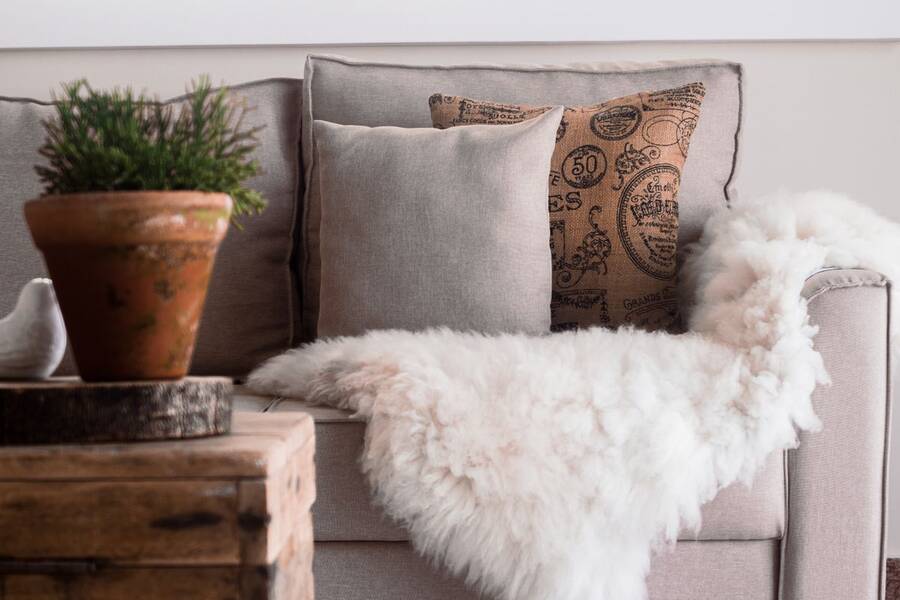
When winter arrives, most of us instinctively reach for warmer blankets and softer lighting. But the real secret to a cozy home is texture. Smooth, glossy surfaces can feel cold to the eye, while natural materials like wood, wool, linen and stone invite you to slow down and settle in. They remind us of the outdoors at a time of year when we spend most of our hours inside.
Here are the natural textures that make the biggest difference in winter, and simple ways to add them to any room.
Why Texture Matters More in Winter
In summer, bright daylight brings a room to life on its own. In winter, light is low, soft and often gray. Flat surfaces lose their character, and rooms can start to feel dull. Texture fixes that by creating subtle shadows and depth, so a space feels rich and layered even on the darkest afternoons.
Natural materials also have a psychological effect. Research on biophilic design suggests that bringing elements of nature indoors can reduce stress and improve wellbeing. In the colder months, that connection to nature matters more than ever.
Wood: The Foundation of a Warm Home
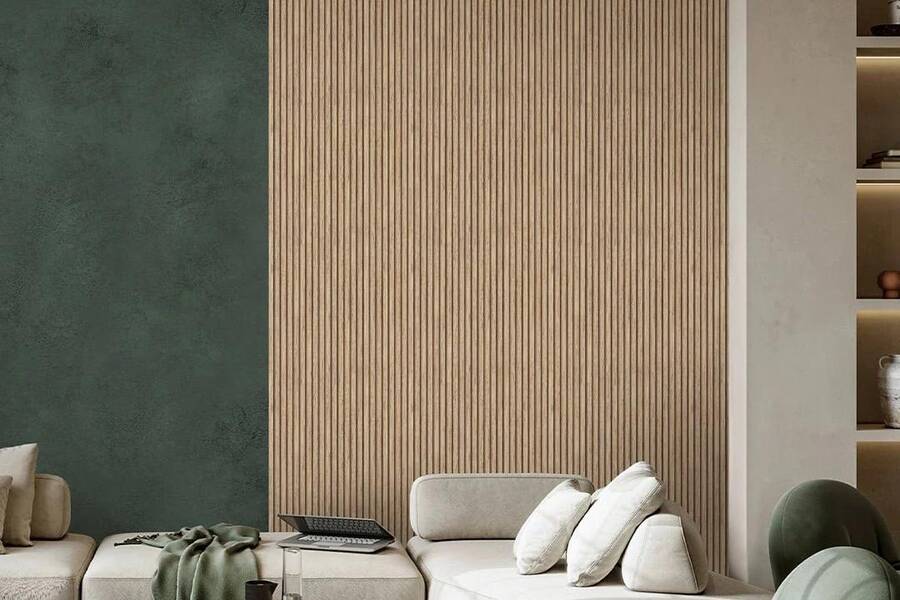
Wood is the most effective way to add warmth to a room. Its grain, knots and tones bring instant character and pair with almost any style, from Scandinavian to rustic to mid-century.
You can introduce wood through furniture, beams, flooring or shelving, but walls offer the biggest impact. A wood-paneled accent wall makes a bedroom or living room feel like a mountain cabin. If real timber is not practical, wood wallpaper gives a remarkably realistic effect, from weathered barn boards to sleek light oak, without the cost or weight of real paneling.
Tips for using wood:
- Mix two or three wood tones for a more natural, collected look
- Choose warmer finishes like walnut, oak or honey pine for winter coziness
- Balance dark wood with lighter textiles so the room does not feel heavy
Bring the Forest Indoors

Another way to connect with nature is through imagery. Forest scenes, birch groves and leafy branches give a room a calm, grounded atmosphere and a sense of space beyond the four walls.
Tree wallpaper is a beautiful way to do this. A misty forest behind a bed creates a peaceful retreat, while a birch tree print in a hallway adds depth to a narrow space. Designs in soft greens, browns and grays feel especially cozy in winter, and they look just as fresh when spring arrives.
Wool and Knits
Nothing says winter comfort like wool. Chunky knit throws, wool rugs and felted cushions add softness you can see and feel. Natural wool in cream, oatmeal and gray works with almost any palette.
Layering is the key. Place a smaller wool rug over a larger jute one, or drape a knit throw over a linen sofa. These combinations of textures make a room feel collected and inviting.
Linen and Cotton
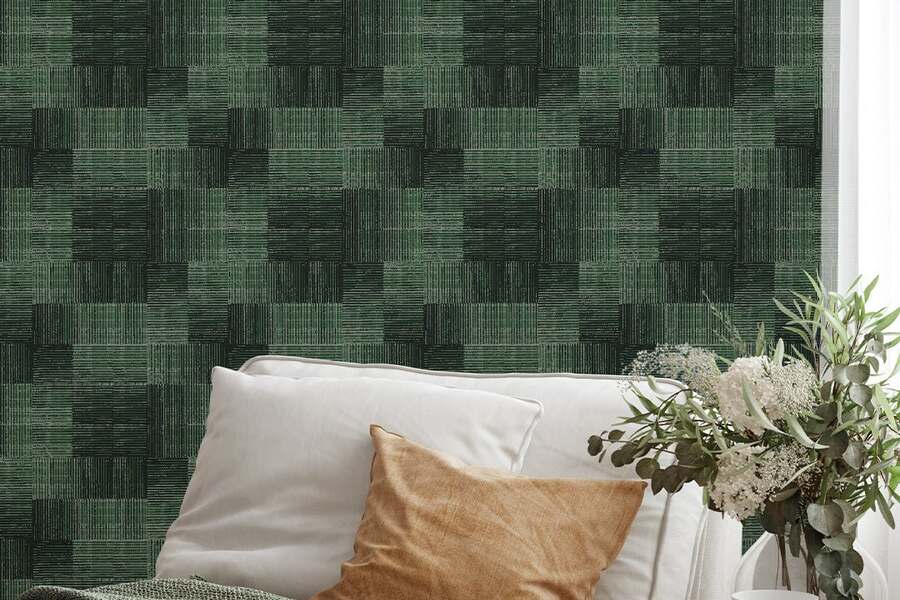
While linen is often seen as a summer fabric, it is wonderful year-round. Its natural slubs and soft creases add relaxed character to bedding, curtains and cushion covers. In winter, combine linen with heavier fabrics like wool and velvet for contrast.
Choose warm neutrals such as sand, terracotta, rust or olive to keep the look seasonal.
Stone and Ceramics
Stone adds an earthy, grounding quality that balances softer materials. Think marble side tables, travertine trays, slate coasters or a stone fireplace surround. Handmade ceramics, such as vases, bowls and mugs with visible glaze textures, bring the same organic feel in a smaller, more affordable way.
Rattan, Jute and Cane
Woven natural fibers are often associated with summer, but they add valuable warmth in winter too. A jute rug, rattan baskets for blankets or a cane-backed chair introduce rough, tactile surfaces that contrast beautifully with smooth wood and soft wool.
Plants and Natural Elements

Greenery is the finishing touch. Evergreen branches, dried grasses, pinecones and potted plants like ferns or olive trees all add life and texture. In winter, a vase of eucalyptus or a bowl of seasonal branches can make a room feel fresh without much effort.
How to Layer Textures Without Clutter
Too many textures can feel chaotic. Keep it balanced with these simple rules:
- Stick to a limited color palette of warm neutrals and earthy tones
- Combine rough and smooth surfaces, such as wool with leather or jute with glass
- Repeat materials in at least two places in a room so they feel intentional
- Leave some breathing room so each texture has space to stand out
Final Thoughts
Creating a warm winter home is less about buying new things and more about choosing the right materials. Wood, forest motifs, wool, linen, stone and natural fibers bring depth and comfort that last all season. Start with one feature, like a wood-look wall or a forest print, then layer softer textures around it. Before long, your home will feel like the coziest place to be when it is cold outside.
