


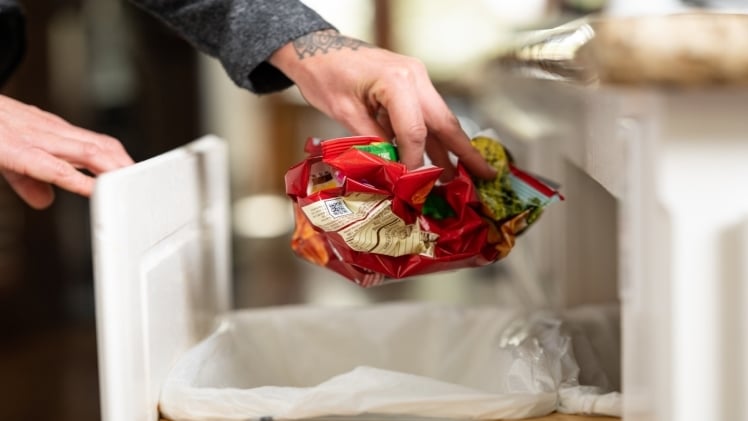
If you’ve ever found yourself running out of trash bags at the most inconvenient time—right in the middle of cooking dinner or when you’re cleaning out the fridge—you know how important it is to keep a steady supply. But how many tall kitchen trash bags should you have on hand to avoid these situations? Stocking up is a simple solution, but finding the right amount involves considering your household’s needs, the size of your trash can, and even the type of trash bags you use, whether they are 13 gallon trash bags or unscented trash bags.
In this guide, we’ll help you figure out how many tall kitchen trash bags you need to stock up on based on factors like household size, waste habits, and the different types of trash bags available. Whether you’re buying in bulk or making a smaller purchase, you’ll be prepared to keep your kitchen clean and waste under control.
Understanding the Standard Kitchen Trash Bag Size
Most standard kitchen trash cans are designed to hold 13-gallon trash bags, which are the most common size used in households across the country. These bags are large enough to hold several days’ worth of waste, including food scraps, packaging, paper towels, and more. The 13-gallon size fits snugly in typical kitchen trash cans, making it a convenient choice for managing daily household waste.
For most households, tall kitchen trash bags come in either scented or unscented trash bags. While this choice may seem insignificant, your preferences may impact how many bags you need. If you opt for scented bags, you may find yourself changing them less frequently, as they tend to mask odors for a longer period. On the other hand, unscented bags may need to be replaced more often, especially if food waste is an issue.
Factors to Consider When Deciding How Many Trash Bags to Buy
1. Household Size
The size of your household plays a significant role in determining how many trash bags you need to stock up on. A larger household naturally generates more waste, which means more frequent trash changes. Here’s a general guideline:
- 1-2 people: A smaller household may fill up a 13-gallon trash bag every 3 to 4 days, depending on how often meals are prepared at home and how much disposable packaging is used.
- 3-4 people: For an average family of three or four, you may fill up a 13-gallon bag every 2 to 3 days. This timeline can vary depending on factors such as recycling habits, whether you compost, and how much waste is generated from food preparation.
- 5 or more people: Larger families will typically fill a 13 gallon trash bag daily or every other day. This household size tends to accumulate more waste, especially if there are children or teens, who may add to the load with things like food wrappers, containers, and school lunch remnants.
In general, a family of four may go through 8 to 10 bags per week, while a couple may need only 2 to 3 bags weekly. Keeping these numbers in mind, you can easily calculate how many bags you’ll need for a month or longer.
2. Cooking and Eating Habits
Another key factor is how often meals are prepared at home. If your household frequently eats out, you might generate less food waste, resulting in fewer trash bags being used. However, if you cook multiple meals at home daily, the amount of food packaging, scraps, and other waste will likely be higher.
For households that cook at home, trash often fills up quickly with items like:
- Produce scraps
- Plastic food packaging
- Empty containers
- Leftovers or expired food
- Paper towels and napkins
In contrast, if you order takeout or dine out often, you may accumulate more packaging waste, such as takeout containers, plastic utensils, and bags. This waste can fill up tall kitchen trash bags just as quickly, especially if your trash can fills with bulky or irregularly shaped items.
3. Recycling and Composting Practices
Households that prioritize recycling and composting may find that they generate less trash overall. By separating recyclable materials such as plastic bottles, cardboard, glass, and metal cans, you’ll reduce the amount of waste that goes into your kitchen trash bag.
Additionally, composting food scraps like fruit and vegetable peelings, coffee grounds, and eggshells further reduces the volume of waste that would otherwise go into the trash. If your household is dedicated to recycling and composting, you may need fewer trash bags, as the majority of your waste will be diverted from the kitchen trash can.
However, if your home doesn’t practice recycling or composting, or if local services are limited, you’ll likely go through trash bags more quickly, as all waste ends up in the same bag.
4. Frequency of Trash Disposal
How often you take out the trash also influences how many bags you’ll need. Some people prefer to take out the trash daily, while others wait until the bag is entirely full, sometimes to the point of overflowing. In general, households that take out the trash more frequently will go through fewer bags in the short term, as the bags are never completely full before disposal.
On the other hand, homes where trash bags are filled to capacity before being taken out will use fewer bags but may deal with more odor or mess. If you’re using unscented trash bags, you may need to dispose of them more frequently, especially if food waste is causing unpleasant odors. This could lead to a higher number of bags being used overall.
5. Scented vs. Unscented Trash Bags
While not a dealbreaker for everyone, the choice between scented and unscented trash bags can affect how many bags you go through. Scented bags tend to mask odors longer, allowing you to leave a bag in the trash can until it’s full. This is especially helpful in reducing unpleasant smells from food scraps and other waste.
Unscented trash bags, on the other hand, do not offer the same odor-masking benefits, which might prompt you to take out the trash more often, even if the bag is not completely full. If you’re someone who prefers a clean, fresh-smelling kitchen, unscented trash bags may lead to more frequent bag changes, increasing your overall usage.
6. Bulk Purchasing and Storage Space
If you have ample storage space, stocking up on a large quantity of trash bags at once can save you both time and money. Buying in bulk often reduces the per-bag cost, which is especially beneficial for large families or households that go through trash bags quickly.
When purchasing 13 gallon trash bags in bulk, keep in mind the following considerations:
- Storage space: Ensure you have a dry, cool place to store the extra bags. Heat and humidity can sometimes affect the plastic’s integrity, making them more prone to tearing.
- Cost savings: Bulk purchases generally offer lower prices per bag, but make sure to check for sales or discounts on your preferred brand or type (scented vs. unscented).
If you live in a smaller space or don’t have much storage, purchasing smaller quantities more frequently may be more practical. However, try to keep a few extra bags on hand to avoid running out unexpectedly.
How to Calculate the Right Amount of Trash Bags
To figure out how many tall kitchen trash bags you need to stock up on, start by calculating how many bags you typically use in a week. Then, multiply that number by the number of weeks or months you want your stockpile to last. Here’s a simple breakdown:
- Determine how often you change your trash bag (daily, every two days, or weekly).
- Multiply that by the number of days in a week (7) or month (30) to estimate your weekly or monthly usage.
- If you want to stock up for a longer period, such as 3 months, multiply your weekly or monthly usage by 12.
For example:
- A household of four that changes the bag every two days would need about 3 to 4 bags per week.
- To stock up for three months, you’d need roughly 36 to 48 bags.
Conclusion
There’s no one-size-fits-all answer to how many tall kitchen trash bags you should stock up on, as it largely depends on your household size, waste habits, and preferences for unscented trash bags or scented options. By assessing your household’s trash habits, including how often you cook, recycle, and take out the trash, you can easily estimate the right amount to have on hand. Whether you buy in bulk or smaller quantities, having an adequate supply ensures you’ll never be caught without a bag when you need it most.
