



After a long, busy day, few things feel better than stepping into a space made for switching off. A home lounge (often just your living room) can be that place: somewhere you can sit back, breathe out, and let the day fade away. It’s the room many of us want to head to after work or spend time in on a slow weekend. With the right setup, you can create a space you’ll be happy to come back to. Maybe you like reading a book, chatting quietly with family, or enjoying a calm hookah session with a Wookah. Either way, the goal is the same: simple design choices that feel comfortable and peaceful.
When your home feels relaxing, it becomes a calm break from constant noise and pressure. This guide walks through the main pieces of a soothing lounge-colors, furniture, lighting, and finishing touches-so your evenings feel easier and more restful.
What Makes an Evening Lounge Space Relaxing?
Key Factors for Comfort and Tranquility
At its core, “cosy” is more than a look-it’s a feeling. It comes from putting together a room that feels warm, welcoming, and easy to live in. It should make you want to stay awhile and slow down. That feeling usually comes from a few simple things: soft fabrics, warm lighting, natural touches (like wood or plants), and seating that feels supportive and comfy. Small details matter because they all add to the overall sense of comfort.
A truly comfortable lounge is one where you relax as soon as you walk in. It should work for quiet time on your own and for spending time with others. With a bit of intention, a normal room can become a personal retreat you look forward to every day.
Common Lounge Layouts for Relaxed Evenings
Your room layout makes a big difference to how relaxing it feels. For evenings, it often helps to create small “areas” in the room, even if the space is small or open-plan. For example, a large sectional sofa can mark out a main seating area for family time, while an armchair and side table in the corner can become a reading spot. In open-plan rooms, rugs, corner sofas, and sideboards can gently separate the lounge from the dining or kitchen area without closing it off.
If you enjoy social time, face seating toward each other to make talking easier. If you want quiet time, place a comfy chair near a window or fireplace for a calmer feel. In long, narrow rooms, pulling furniture away from the walls can stop the room feeling like a hallway and make it feel more inviting. Swivel chairs can also help in these spaces, since they let you turn toward people, the TV, or a view without moving furniture around.
Benefits of a Relaxing Lounge Area
A lounge made for relaxing does more than look nice. It can support your wellbeing by giving you a calm place to reset. The right decor can affect your mood, helping a messy or stressful-feeling room become a quiet, restful space. It’s a place that encourages you to slow down, get comfortable, and be present.
It can also make social time better because people naturally feel more at ease in a warm, inviting room. Over time, having a regular place to unwind can help you feel more settled and less stressed. The main idea is simple: a small “escape” you can enjoy without leaving home.
How to Choose a Color Scheme for Evening Relaxation
Warm vs. Cool Colors: Which Boosts Relaxation?
Color has a big impact on how a room feels at night. Warm, earthy tones like terracotta, rust, oat, and olive often make a room feel softer and more welcoming. They can feel grounding and calm. Cool colors like blue and green can also feel peaceful, but in bright shades they may feel more energizing during the day. That said, navy blue is often named as one of the most relaxing colors, so it can work very well in an evening lounge.
Soft neutrals like cream, taupe, and off-white are also a safe choice. They’re gentle on the eyes and create a quiet background, which helps the room feel calm without feeling busy or intense.
Popular Palettes for Cozy Evenings
Some color mixes come up again and again for cosy lounges. Earthy tones with off-white or taupe give you warmth plus balance, so the room feels natural and comfortable. If you like something stronger, deep shades like charcoal or navy can work well, especially with warmer accents like berry tones or mustard yellow for contrast.
Paint brands like Farrow & Ball often show ideas by color family, such as Green, Blue, Neutral, Dark, Pink, White, Red, Brown, and Grey Living Rooms. Dark shades like Hague Blue No. 30 or Studio Green No. 93 can feel rich and comforting at night as the light changes. For a lighter feel, soft pinks like Pink Ground No. 202 or muted neutrals like Setting Plaster No. 231 can make the space feel calm and gentle.
Layering Neutrals and Accents for Mood
If you use a lot of neutrals, layering is what keeps the room from feeling flat. Mix different fabrics, textures, and simple patterns, and add small touches of warm metal like gold or pale tan. For example, a cream sofa looks better with cushions and throws in different beige tones and textures. This adds depth without adding loud colors.
You can also add a few brighter accessories to bring in personality. Designers Meghan Hackett-Cassidy and Erin Hackett from Hackett Interiors suggest bright pillows or throws to lift the mood and add energy. A colorful vase, a bold artwork, or a rich jewel-tone piece can become a focal point and keep a neutral room from looking dull. You can also use similar-strength colors on walls and ceilings (or between connected rooms) to add interest while keeping the look pulled together.
Which Furniture Styles Best Support Evening Lounging?
Sectional Sofas vs. Loveseats for Comfort
Seating is the base of a relaxing lounge. A deep sofa or armchair you can sink into makes a huge difference. In larger rooms, a big sectional sofa is often the best choice. It sets a clear seating zone and gives everyone space to stretch out. Look for soft upholstery and comfortable cushions, often in neutral or earthy colors for a calm feel.
In smaller rooms, a loveseat or compact corner sofa can still feel very comfortable without taking over the space. Pieces with soft cushions and rounded edges tend to feel more inviting. No matter the size, comfort and the ability to truly relax should come first.
Adding Ottomans and Footrests for Maximum Relaxation
If you want your lounge to feel more relaxing right away, add an ottoman or footstool. Putting your feet up helps your whole body rest after a long day. Ottomans are also useful in other ways: extra seating when guests arrive, a coffee table with a tray on top, or even storage for blankets and remotes so the room stays tidy.
A long upholstered ottoman can also work as both a bench and a coffee table, which is great for flexible living spaces. Having a comfortable place to rest your feet makes lounging feel much easier and more natural.
Adaptive Furniture for Small Spaces
Small lounges can still feel warm and inviting if you choose furniture carefully. Multi-use pieces are very helpful here. Think storage footstools, slim console tables behind the sofa, or nesting tables that you can spread out when needed and tuck away later. These choices keep the room functional without feeling crowded.
For seating, slim shapes help the room feel more open. Swivel chairs are also great for long, narrow rooms because you can turn them without disrupting the flow. With comfort plus smart function, even a small lounge can feel like a proper retreat.
How to Use Lighting to Set the Evening Mood
Layered Lighting: Task, Ambient, and Accent
Lighting is one of the strongest tools for setting the mood at night. The main idea is to layer your lighting: ambient light for an overall glow, task lighting for jobs like reading, and accent lighting to highlight features or add interest. Bright overhead lights often feel harsh in the evening and can ruin the calm feeling. Softer, spread-out light usually works better for relaxing.
Sara Barney, co-founder of BANDD DESIGN, says, “Having a bright, lighted room is an easy way to make a space feel more inviting and put together.” For evening comfort, that “bright” feeling comes from several gentle light sources, not one strong ceiling light. When you combine layers, the room feels warmer and more flexible for different activities.
Choosing Lamps, Sconces, and String Lights
To get soft, layered lighting, use a mix of fixtures. Table lamps on sideboards or next to chairs give a warm glow in smaller areas. Wall sconces can add gentle light without taking up floor space, and they can work as the main lighting for a more intimate setting. Floor lamps are useful for darker corners and can turn them into a reading spot.
String lights can also work if you use them in a subtle way, such as around shelves or a window. Dimmable LED lanterns are another easy option because you can adjust the light level. The goal is to create small “pools” of light around the room. Design psychology expert Niki Schafer notes that this type of lighting helps people relax and feel safe.
The Role of Candles and Fireplace Glow
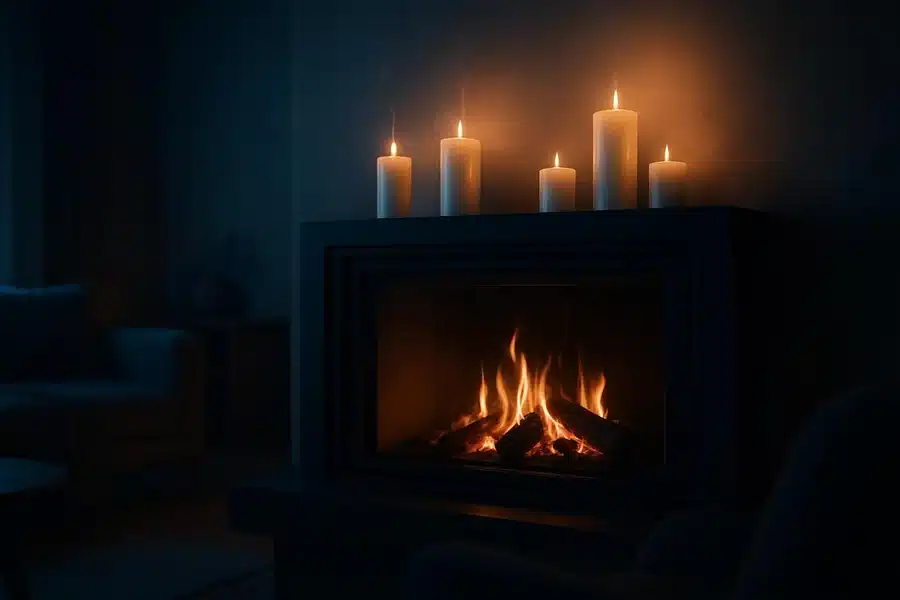
Candles and fireplaces are classic choices for a cosy evening. Candlelight gives a soft flicker that feels calming and a little special. Jade Joyner, principal designer at Metal + Petal, lights candles in the morning and lets them burn into the evening, saying it “creates a soothing ambiance while adding a little luxe to my day.” Keep a mix of tapers, pillars, and votives on hand so you can set the mood quickly.
If you have a fireplace (even an electric one), it often becomes the main feature of the room because it adds warmth and glow. If it’s not in use, you can still style it so it doesn’t look like a dark empty space-try a decorative screen, birch branches, or a group of pillar candles inside the firebox.
Which Textiles and Materials Add Warmth and Comfort?
Throw Blankets, Cushions, and Rugs for Coziness
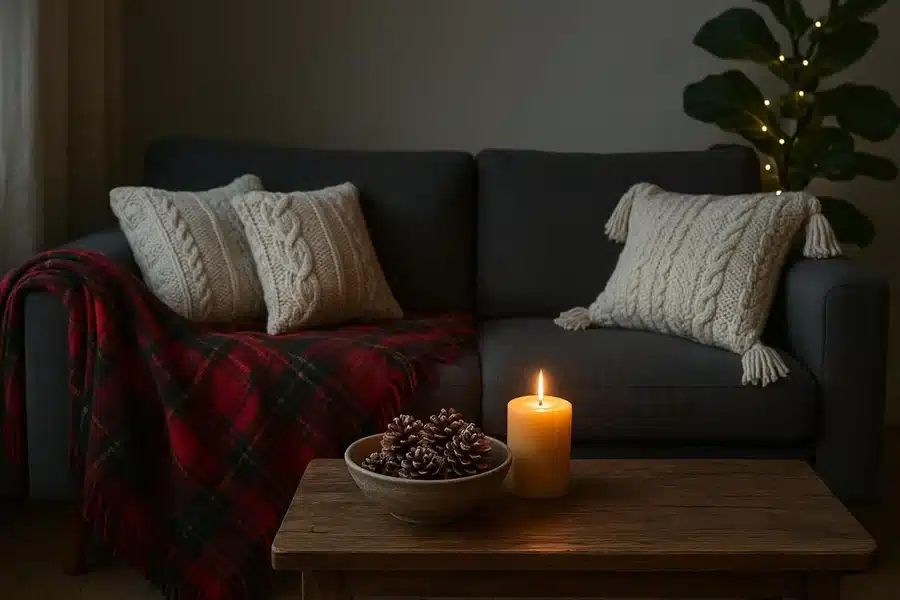
Soft layers are one of the easiest ways to make evenings feel more comfortable. Throws, cushions, and rugs add warmth, texture, and that “curl up and relax” feeling. Drape a chunky knit or faux fur throw over the sofa so it’s always ready. Mix cushion fabrics like velvet, bouclé, and linen so the seating looks and feels inviting.
A thick woven rug also helps a lot, especially on hard floors. A large rug can change the whole feel of a room by adding warmth underfoot and making the seating area feel more complete. In small lounges, these texture layers matter even more because they add comfort without needing extra furniture.
Best Fabrics for Evening Lounges: Velvet, Bouclé, and Wool
For evening lounging, choose fabrics that look warm and feel soft. Velvet is a favorite because it feels smooth and rich, and it can make a sofa or chair stand out-mustard or mauve velvet can be especially warming. Bouclé has a modern, fluffy texture and feels cosy without being heavy.
Wool is another strong choice, whether it’s a chunky throw or a thick rug. It’s naturally warm and long-lasting. Brushed cotton and soft linen are also good for upholstery, since they feel comfortable and breathable. Using these fabrics on chairs, cushions, and pouffes helps create that wrapped-up, snug feeling.
Natural vs. Synthetic Textures in Lounge Design
Using both natural and synthetic textures can make a room feel more interesting and balanced. Natural materials-especially wood-bring instant warmth. Wooden coffee tables, console tables, and sideboards in oak or walnut add character through the grain. Pieces with raw finishes (knots and natural marks) often feel especially cosy and homey.
Other natural materials like sisal rugs also bring a simple, outdoors feel and tend to last well. On the synthetic side, good-quality faux fur can add a soft, warm layer and a Scandinavian-style look without using animal products. Warm metals like antique brass, brushed gold, or bronze also add depth, whether they’re on lamp bases, curtain poles, or small decor items. Mixing materials like this makes the room feel rich and comfortable.
What Accessories Create an Inviting Evening Lounge?
Incorporating Books, Artwork, and Personal Decor
Accessories bring life to a lounge. A coffee table with a few nice books and a scented candle instantly looks more welcoming. A decorative centerpiece can pull the whole arrangement together too — a sculptural object, a statement vase, or even an elegant hookah from a specialist like Shisha Boutique can work as both a conversation piece and a functional accent. Shelves and bookcases can do more than store things—they can show your style with books, photos, ceramics, and plants, which makes the room feel lived-in and warm.
Empty walls can make a room feel cold, so art is a good addition. A gallery wall, one large artwork, or framed photos can make the space feel more personal. Travel keepsakes and meaningful objects also help the room feel familiar, which can make it easier to relax.
How Houseplants and Flowers Enhance Relaxation
Adding plants and flowers is a simple way to make a lounge feel calmer. Fresh flowers, branches in a vase, or a few houseplants can make the room feel more alive. Studies suggest houseplants can support both physical and mental wellbeing and help a space feel more restful. Jo Lambell, founder of Beards & Daisies, says plants help balance humidity levels, which can make the home feel warmer and healthier, especially when the air gets drier in autumn.
You can go for easy-care houseplants, seasonal flowers, or dried flowers if you want something that lasts. For a quiet winter look, combine delicate blooms like anemones and hellebores with candles for a soft, “stay in and rest” feeling.
Scented Candles and Room Fragrances for Atmosphere
Scent helps set the mood fast. A nice smell can make your home feel welcoming as soon as you walk in. Scented candles are popular because they add both fragrance and soft light. Interior designer Darla Bankston May suggests using them with fresh flowers to keep rooms smelling good. If you prefer something adjustable, an essential oil diffuser lets you change scents easily. Caitlin Murray, founder of Black Lacquer Design, likes eucalyptus, geranium, and chamomile oils for a calm, spa-like feel.
Changing your scent with the seasons is an easy way to shift the mood. In autumn and winter, warmer notes like bergamot, frankincense, and amber can feel comforting. The right scent can match the season and help the whole room feel more relaxing.
How to Arrange Your Lounge for Evening Socializing and Solitude
Designing for Group Gatherings Versus Solo Downtime
A good evening lounge works for both hosting and quiet time. For social nights, place seating so people can face each other-like a sofa and two chairs around a coffee table-so conversation feels natural. A corner sofa can also create a clear “main area” where everyone gathers.
For solo downtime, add a small personal spot too. Even one corner can work: a comfortable armchair, a floor lamp, and a side table for a drink. Designer Linda Eyles says, “Everyone needs a place to get away from it all.” When your lounge supports both moods, it’s ready for whatever kind of evening you want.
Creating Distinct Zones for Conversation and Reading
In long or open-plan rooms, separate areas make the space more useful and more comfortable. You might have a conversation area with the main sofa and chairs, and a reading area with an armchair, bookcase, and a lamp. Marina V. Umali, principal designer at Marina V Design Studio, says, “Break the space up into zones. Creating seating around each zone can make it more functional and aesthetically pleasing.”
Rugs are one of the easiest ways to show where each zone starts and ends. You can use one large rug for the main space, then layer a smaller vintage rug on top to mark out a smaller middle area. Also, moving some furniture away from the walls can make the room feel like connected, welcoming sections instead of one long strip.
Making Small or Open-Plan Rooms Feel Intimate
Small or open-plan rooms can still feel close and cosy in the evening with a few smart choices. In small rooms, use slimmer furniture and pieces that do more than one job (like a storage ottoman or nesting tables) so the space stays clear. Mirrors can help reflect light and make the room feel bigger while still feeling warm.
In open-plan layouts, use rugs, corner sofas, sideboards, and media units to gently separate areas. Warm lighting at different heights-table lamps, floor lamps, and wall lights-can create smaller, moodier pockets that people naturally gather around. If you want extra flexibility, a sliding barn door can separate the lounge from the kitchen when you want privacy, and open up when you want a more open feel.
How to Update Your Lounge for Seasonal Evening Comfort
Swapping Textiles and Decor for Autumn and Winter
As seasons change, small updates can keep your lounge comfortable at night. In autumn and winter, focus on warmth. Swap light summer cushions for velvet, wool, or chunky knit fabrics. Add throws in deeper tones like dark green, rust, or caramel across sofas and chairs. Layer rugs too-adding a deep pile or faux fur rug over an existing one adds extra softness and insulation.
You can also add seasonal decor for a warmer feel. Candles and fairy lights bring a soft glow, and natural touches like pine cones in a vase with silver birch branches or a stack of logs near the fireplace can add a rustic look. Amy Wilson, interior designer for 247Blinds and 247Curtains, suggests tartan for a traditional seasonal feel, including bolder red and green mixes.
Introducing Layered Curtains and Warm Woods
Window coverings matter more in colder months because they help with warmth. Switch light curtains for heavier ones, or add a thermal lining to what you already have. Blackout blinds are also helpful for keeping warmth in and adding privacy. Jason Peterkin, director at 247 Blinds, says wooden Venetians and shutters can help insulate because they act as a barrier between the window and the room.
Warm wood shades also help a room feel more comfortable in winter. Wooden tables or sideboards-especially in oak, mango wood, or ash-add a natural warmth. Raw finishes with visible knots and grain work well with heavier winter fabrics and help the room feel snug and protected from the cold outside.
Adapting Decor for Spring and Summer Evenings
Even though cosy often means warm, spring and summer evenings can still be relaxing with lighter updates. Swap heavy throws for cotton or linen, and use cooler, lighter accent colors with cushions and decor. Open curtains more in the day to bring in natural light, and use sheer drapes in the evening for privacy without blocking airflow.
Add more greenery or fresh flowers that match the season. Change fragrances too-lighter candle scents or diffuser oils with citrus or floral notes often feel better in warmer months than heavier winter scents. The aim is a space that feels bright, light, and calm, while still staying comfortable for relaxing at night.
Frequently Asked Questions about Home Lounge Ideas for Relaxing Evenings
What are the best colors for a calming evening lounge?
Warm, muted colors often work best for calm evenings. Try soft taupe, terracotta, deep green, and earthy shades for a snug feel. Warm beige and creamy off-white also create a quiet background, especially with natural textures and soft lighting. Navy blue is often listed as one of the most relaxing colors. Dark shades like Farrow & Ball’s Hague Blue or Studio Green can also make a room feel rich and comforting at night.
Should a lounge have blackout curtains for relaxation?
Blackout curtains or blinds can help a lot. They keep heat in during winter and can block strong sun in summer. They also give you better control over light and privacy, which helps you create a dim, calm setting for relaxing or watching films. Open them in the day for daylight, then close them as it gets dark to hold warmth and set the mood.
Can a modern lounge still feel cozy for evenings?
Yes. A modern lounge can feel very cosy if you mix clean-lined furniture with soft, touchable materials like bouclé, velvet, and natural wood. Use warm-toned, dimmable bulbs in simple lighting fixtures. Add a few warm metal touches and some personal items. The mix of simple design and soft comfort is what makes a modern lounge relaxing at night.
How do I make my lounge inviting without a fireplace?
You can still create a warm feel without a fireplace. An electric stove can add instant warmth and a focal point. If that’s not an option, build the mood with a comfortable sofa, layered lighting, and plenty of textiles. Candles and lanterns can add glow. If you have an unused hearth, you can fill it with birch logs or candles to copy that fireside look.
What lighting temperature is optimal for evening relaxation?
Warm lighting is best for relaxing at night. Choose bulbs around 2700K-3000K, which give off a soft, yellow glow like sunset light. Avoid cool, bright overhead lights, which can feel harsh. Use a mix of table lamps, floor lamps, and wall lights with warm, dimmable bulbs for a calmer evening atmosphere.
