


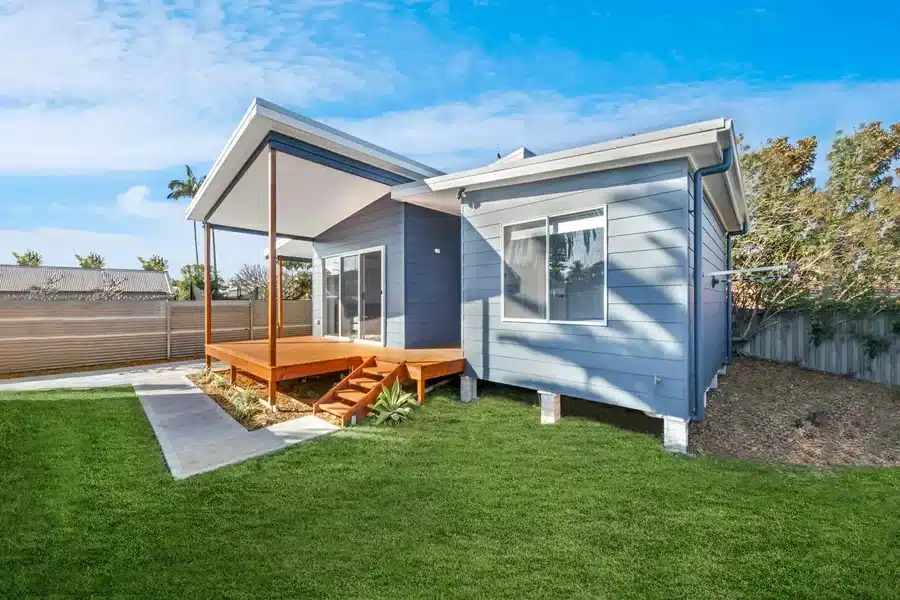
Obtaining approval for a granny flat is one of the most important stages before construction can begin. Whether you’re building to create additional rental income, provide space for family members, or increase your property’s overall value, understanding the approval process can help minimise delays and avoid costly compliance issues.
Although granny flats are commonly permitted throughout NSW, every project must still meet certain planning and building requirements. Factors such as zoning, lot size, setbacks, access, and environmental conditions can all influence approval for a granny flat.
In this guide, we explain the key steps homeowners should follow when applying for approval for a granny flat in NSW.
1. Determine Whether Your Property Is Suitable
The first step in securing approval for a granny flat is assessing whether your property is suitable for development.
Key site considerations may include:
- Property zoning
- Minimum lot size
- Available backyard space
- Site slope and drainage
- Access for construction
A professional site assessment can help identify restrictions or potential issues before the project progresses further.
2. Identify the Correct Approval Pathway
There are generally two approval pathways available when applying for approval for a granny flat in NSW.
Complying Development Certificate (CDC)
A CDC is typically a faster approval option for projects that satisfy strict planning standards.
Development Application (DA)
A DA may be necessary for properties affected by:
- Heritage restrictions
- Bushfire-prone land
- Flood-related constraints
- Non-compliant site conditions
Understanding which approval pathway applies to your property is essential before beginning the design process.
3. Design the Granny Flat to Comply with Regulations
Your granny flat design must meet NSW planning regulations and Australian building standards.
Important design considerations may include:
- Maximum allowable floor area
- Setback requirements
- Privacy and open space
- Natural light and ventilation
- Building separation distances
A compliant design can help streamline approval for a granny flat and reduce the risk of redesigns later in the process.
4. Prepare the Necessary Documentation
Several reports and documents are generally required as part of the approval process.
These may include:
- Site surveys
- Engineering reports
- BASIX certificates
- Architectural drawings
- Stormwater and drainage plans
Accurate and complete documentation is critical for obtaining approval for a granny flat efficiently.
5. Lodge Your Application
Once the plans and supporting documents are completed, the application can be submitted through the appropriate approval pathway.
Depending on the project, this may involve:
- Submission through a private certifier
- Council assessment
- Compliance reviews
- Requests for additional information
Approval timeframes may vary depending on the complexity of the site and the approval method used.
6. Address Any Site-Specific Requirements
Some properties may require additional approvals or specialised construction measures due to environmental or planning restrictions.
Potential site-specific issues may include:
- Bushfire compliance
- Flood-related building requirements
- Easement restrictions
- Heritage overlays
- Tree preservation controls
Identifying these conditions early can help prevent unnecessary delays during approval for a granny flat.
7. Secure Building and Construction Certification
Before construction can commence, final building certifications and approvals must be completed.
This may include:
- Structural engineering certification
- Building code compliance
- Utility connection approvals
- Occupation certification requirements
Meeting all legal and construction requirements helps ensure the granny flat is safe and compliant.
8. Begin Construction with the Right Builder
Once approval for a granny flat has been granted, construction can begin.
An experienced builder can assist with:
- Site preparation
- Construction scheduling
- Quality assurance
- Compliance inspections
- Project coordination
Choosing a qualified builder can help keep the project organised, efficient, and stress-free.
9. Complete Final Inspections and Obtain an Occupation Certificate
After construction is finished, final inspections are required before the granny flat can legally be occupied.
This process typically includes:
- Building inspections
- Plumbing and electrical certification
- Final compliance checks
- Issuing of the Occupation Certificate
The Occupation Certificate confirms the granny flat is approved for habitation.
10. Why Professional Guidance Is Important
Navigating approval for a granny flat can become complicated without expert assistance.
An experienced granny flat specialist can help with:
- Site feasibility assessments
- Approval management
- Design compliance
- Documentation preparation
- Turnkey construction services
The right team can help reduce delays, minimise stress, and improve the overall approval process.
Expert Tip
One of the best ways to simplify approval for a granny flat is to assess your site and determine the correct approval pathway before starting the design stage. Early planning can help prevent costly compliance issues later in the project.
Why Choose Granny Flat Solutions
At Granny Flat Solutions, we manage the complete approval for a granny flat process — from site assessments and design through to certification and turnkey construction.
With in-house approvals, fixed pricing, and thousands of completed projects across NSW, our experienced team helps homeowners navigate approvals quickly and with confidence.
Learn more about us on our website.
Ready to Start the Approval For A Granny Flat Process?
If you’re considering building, understanding the approval process early can save significant time, stress, and unnecessary expense.
Book your free site consultation with Granny Flat Solutions today and discover how we can help you secure approval for a granny flat while maximising the value and functionality of your property.
