


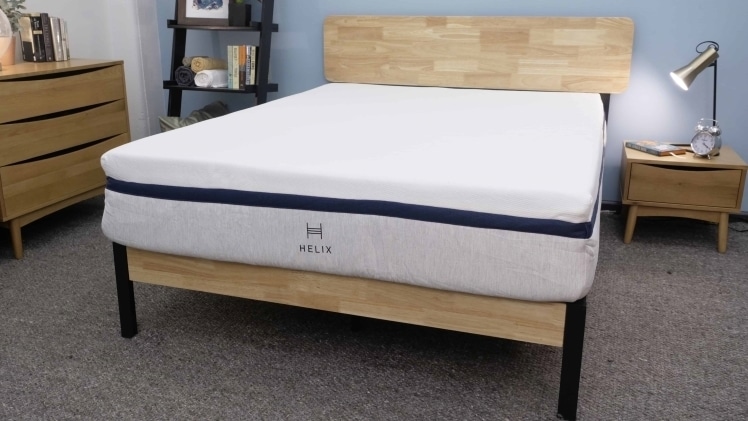
Snoring and sleep apnea are common issues that affect people’s sleep quality and, consequently, adversely affect their health. There are many available treatments for both problems, but one that tends to be overlooked is a mattress topper, which can be an economical and uncomplicated solution to symptom relief if applicable. A mattress topper treats conditions such as the misalignment of the spine, pressure points in one’s body, or firmness from one’s bed.
How Snoring Occurs and How a Mattress Topper Can Help
Snoring happens when airflow through the mouth or nose is partially obstructed, leading to the vibration of throat tissues. Snoring in itself is not necessarily detrimental but could signal other deeper issues, such as sleep apnea. One common cause of snoring is sleeping in poor posture. If a mattress is either too soft or too firm and does not properly support the body, causing misalignment of the spine and neck leading to blocking the airways, which would increase snoring.
Sleeping positions can be improved with the help of a mattress topper. They are cushions that allow more padding and support to ensure proper spinal alignment with the neck, thus possibly lessening the likelihood of airflow blockage. For instance, a memory foam or latex mattress topper conforms to the body’s shape by supporting the neck and shoulders and promoting breathing.
Mattress Toppers and Sleep Apnea
Sleep apnea is the condition in which breathing is interrupted during sleep and then starts again repeatedly. Sometimes the throat muscles get too loose and block the airway. Some symptoms of sleep apnea may be alleviated by an effective mattress topper, although mattress toppers do not actually treat sleep apnea.
For people with sleep apnea, posture while sleeping can worsen the severity; they must not sleep on their backs, as this allows the tongue and the soft tissues in the throat to collapse and block the airway. A mattress topper encourages side sleeping and, therefore, reduces the chance of airway blockage. Mattress toppers modify the elevation angle of the entire bed, thus facilitating a comfortable position of sleeping, thereby abating the seriousness of snoring and sleep apnea.
Choosing the Right Mattress Topper
Several factors should be kept in mind when choosing a mattress topper that addresses snoring or sleep apnea:
- Firmness: A medium-to-firm mattress topper should provide sufficient support for proper posture and alignment. Good choices of material include memory foam and latex because both have a good effect of supporting as well as contouring.
- Cooling Features: Most people who snore or suffer from sleep apnea tend to overheat at night and benefit from a cooling top mattress, such as one with gel-infused memory foam, to keep warm and comfortable while sleeping.
- Durability: Go for a topper that is of higher quality and durable enough not to lose its shape with time, thus offering even support throughout the night.
To sum it up, although a mattress topper won’t necessarily cure sleep apnea, it will certainly help make improvements to sleep position, reduce pressure points, and support better alignment. Such factors may help reduce some symptoms of snoring and sleep apnea, thus leading to improved night’s rest. If sleep apnea is suspected, consult a medical professional for the right diagnosis and treatment.
