


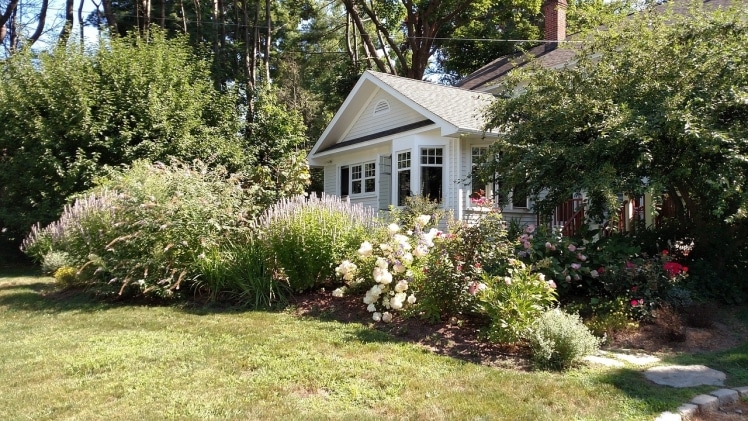
Maintaining your yard can feel overwhelming, especially if you’re a new homeowner. A well-kept yard not only makes your home look attractive but also boosts your property’s value. With some basic steps and regular care, you can keep your yard looking its best.
Yard maintenance doesn’t have to be complicated or time-consuming. By focusing on a few essential tasks, you can manage your yard effectively and enjoy a beautiful outdoor space. From mowing the lawn to repurposing wastewater, there are many ways to keep your yard in great shape.
Whether you’re dealing with weeds, figuring out the right time to water, or learning about soil care, these tips will help you get started. Let’s dive into the top yard maintenance tips every new homeowner should know:
1. Repurpose Waste Water
Efficient watering is key to keeping your plants and grass healthy while also saving water. One effective way to achieve this is by repurposing wastewater from your septic tank. Septic systems can be designed to safely treat and repurpose wastewater for use in your yard. This method helps conserve fresh water by providing an alternative irrigation source, especially for ornamental plants and trees.
However, it’s important to ensure that the water you get from septic tank pumping is properly treated and does not contain harmful chemicals or pathogens. Proper installation of a septic tank by professionals, such as SW Environmental, results in careful planning and efficient functioning that meets local regulations.
Alongside using septic systems, it’s important to follow smart watering practices. Watering your yard early in the morning is ideal because it allows the water to penetrate the soil before the heat of the day causes evaporation. Regularly monitoring your yard and adjusting your watering routine as necessary will help keep your outdoor space healthy and vibrant.
2. Be Prompt on Mowing & Edging
One of the easiest ways to keep your yard looking tidy is by regularly mowing the lawn. Mowing helps keep the grass healthy by promoting growth and preventing pests from settling in. Aim to mow your lawn once a week during the growing season, but be sure not to cut the grass too short, as this can damage it.
In addition to mowing, edging along sidewalks and driveways gives your yard a neat, finished look. Edging helps prevent grass from spreading into unwanted areas and keeps your yard looking organized. You can use a simple hand edger or a powered tool for this task. Regular mowing and edging will set the foundation for a well-maintained yard.
3. Soil Testing & Fertilization
Healthy soil is the foundation of a thriving yard. Testing your soil helps you understand what nutrients are lacking and what type of fertilizer is needed. You can purchase a simple soil test kit from a garden center or get a more detailed analysis from a local extension office.
Once you know your soil’s needs, you can choose the right fertilizer to boost its health. Organic fertilizers are a great option as they improve soil structure and provide long-term benefits. Fertilize your lawn and plants according to their specific needs, usually once or twice a year, to promote healthy growth.
4. Weed Control & Prevention
Weeds can quickly take over your yard if left unchecked. They compete with your grass and plants for water, nutrients, and sunlight. Regular weeding is essential to keep them under control. Pulling weeds by hand is effective, especially when the soil is moist, but you can also use mulches to control weed growth.
Applying a layer of mulch around plants and garden beds not only helps keep weeds down but also retains soil moisture and regulates temperature. Organic mulches, like wood chips or straw, break down over time, adding nutrients back into the soil. By staying on top of weed control, you’ll keep your yard looking neat and healthy.
5. Seasonal Pruning & Trimming
Pruning and trimming are key tasks to keep your yard looking neat and healthy. Seasonal pruning involves cutting back dead or overgrown branches from trees and shrubs to promote better growth. Each type of plant has its ideal time for pruning. For example, most flowering shrubs are best pruned after they bloom, while trees are typically pruned in late winter or early spring.
Trimming also keeps your hedges and bushes in shape, preventing them from becoming overgrown and unruly. Regular pruning and trimming not only improve the appearance of your yard but also help prevent diseases and pests that can harm your plants. Remember to use clean, sharp tools to make clean cuts and avoid damaging your plants.
6. Try Mulching for Moisture Retention
Mulching is an excellent way to keep your yard healthy by retaining moisture in the soil, reducing weeds, and adding nutrients as it decomposes. Applying a layer of mulch around plants, trees, and garden beds helps protect the soil from drying out, especially during hot weather. Organic mulches are particularly beneficial as they break down over time and improve soil quality.
Remember that too much mulch can suffocate plant roots, while too little won’t be as effective. Keep mulch a few inches away from the base of plants and tree trunks to prevent rot and other issues. Mulching is an easy, cost-effective way to maintain a healthy yard with minimal effort.
7. Clean-Up & Remove Debris
Regular lawn or yard clean-up is essential for keeping your outdoor space looking its best. Leaves, branches, and other debris can accumulate quickly, making your yard look messy and inviting pests. Set aside time to rake leaves, pick up fallen branches, and clear out any dead plants or flowers. This not only improves the appearance of your yard but also helps prevent diseases and pests.
Composting is a great way to repurpose yard waste. By composting leaves, grass clippings, and small branches, you can create nutrient-rich compost that can be used in your garden beds.
Maintaining your yard as a new homeowner doesn’t have to be complicated or stressful. By following these simple tips, you can keep your yard looking neat, healthy, and inviting all year round. And with a few easy landscaping touches, you can enhance your home’s curb appeal and enjoy a beautiful outdoor space. With a little effort and consistency, you’ll have a yard that you’re proud of and a space you’ll love spending time in.
