


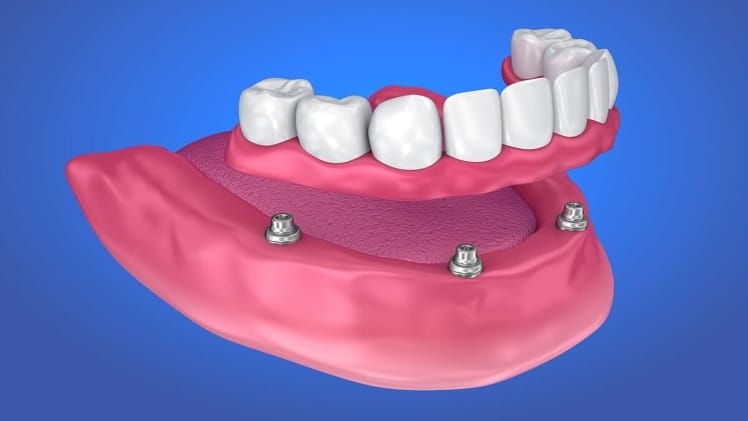
When it comes to replacing missing teeth, the choice between dental implants and dentures can be overwhelming. Dental implants offer a range of advantages that not only enhance oral health but also improve overall quality of life. This article explores the key benefits of dental implants over traditional dentures, providing insights that can help individuals make informed decisions about their dental care.
Key Takeaways
- Enhanced Aesthetics: Dental implants closely resemble natural teeth, eliminating the artificial look of dentures and maintaining facial structure.
- Improved Functionality: Implants provide stability and allow for effective biting and chewing, unlike dentures which may slip or require adhesive.
- Long-Term Durability: With proper maintenance, dental implants can last 10-15 years or more, making them a cost-effective choice compared to dentures that need replacement every 5-10 years.
- Comfort and Fit: Implants integrate with the jawbone for a stable foundation, offering greater comfort and no irritation, which is often experienced with dentures.
- Lower Maintenance Needs: Dental implants require regular brushing and flossing similar to natural teeth, while dentures need specific cleaning solutions and care.
- Financial Considerations: Although the initial cost of implants is higher, their longevity offers better long-term value compared to the recurring costs of dentures.
Overview of Dental Implants and Dentures
Dental implants and dentures serve as solutions for individuals with missing teeth. Each option has distinct characteristics, affecting comfort, aesthetics, and oral health.
Dental Implants
With U dental implants consist of titanium posts inserted into the jawbone, acting as artificial tooth roots. Over time, these posts fuse with the bone in a process called osseointegration. Once integrated, implants provide a stable foundation for crowns or bridges. They mimic natural teeth in function, durability, and appearance. Implants require surgical placement and may involve a healing period.
Dentures
Dentures are removable prosthetic devices designed to replace missing teeth. They typically consist of a gum-coloured acrylic base, supporting artificial teeth made from resin or porcelain. Dentures can be complete, covering all missing teeth, or partial, filling gaps from lost teeth. Dentures rely on the gums and oral tissues for support, which can lead to frequent adjustments and may cause discomfort over time.
Dental implants offer a permanent solution with numerous advantages over traditional dentures, including enhanced stability and improved oral health.
Key Benefits of Dental Implants
Dental implants provide significant advantages compared to dentures, enhancing both quality of life and oral health.
Improved Aesthetics
Dental implants closely resemble natural teeth, providing a more attractive smile. They eliminate the artificial appearance often associated with dentures, which can create a sense of self-consciousness. Implants integrate with the jawbone, maintaining facial structure and preventing the sunken look that can occur with tooth loss.
Enhanced Functionality
Dental implants function like natural teeth, allowing individuals to bite and chew effectively. Unlike dentures, which may slip or require adhesive, implants offer stability and confidence during eating and speaking. This improved functionality contributes to better nutritional choices, as individuals can enjoy a wider variety of foods without concern.
Long-Term Durability
Dental implants boast high longevity when properly maintained, often lasting 10-15 years or longer. In contrast, dentures typically require replacement every 5-10 years due to wear and changes in the mouth. The titanium materials used in implants resist decay and are biocompatible, minimising the risk of rejection or complications. This durability makes implants a cost-effective investment in oral health over time.
Comparison with Dentures
Dental implants offer significant advantages compared to dentures, particularly in terms of comfort, fit, maintenance, and overall oral health.
Comfort and Fit
Dental implants integrate with the jawbone, providing a stable foundation that resembles the function of natural teeth. Individuals often experience enhanced comfort, as implants do not slip or shift during daily activities like eating or speaking. Dentures, on the other hand, can cause irritation due to movement and may require adhesives for stability. These frequent adjustments and discomfort can lead to an unpleasant experience for denture wearers.
Maintenance and Care
Caring for dental implants involves regular brushing and flossing, similar to natural teeth. With proper oral hygiene, implants can last for over 15 years. Dentures require specific cleaning solutions and care routines, along with periodic replacement. Additionally, poorly maintained dentures can lead to oral health issues, such as gum infection and bone loss. Implants’ low maintenance needs and durability make them a more practical choice for long-term oral health.
Financial Considerations
Dental implants often present considerable financial implications that require careful evaluation. Understanding both initial costs and long-term value can aid in making informed decisions.
Initial Costs vs. Long-Term Value
Initial costs for dental implants generally range from $1,500 to $2,500 per implant, depending on the dentist and geographical location. This upfront investment may appear high compared to dentures, which can cost between $500 and $1,500 for a complete set. However, dental implants offer significant long-term value. With proper care, implants can last over 15 years, while dentures typically require replacement every 5 to 10 years. This longevity translates into reduced overall costs when considering repeated replacements for dentures.
Insurance and Financing Options
Insurance coverage for dental implants varies significantly among providers. Some plans may cover a portion of the costs, particularly if the implants are deemed necessary for oral health. Many dental practices also provide financing options, allowing patients to manage payments over time. Interest-free repayment plans and credit applications specific to health care expenses can make dental implants more accessible. Exploring both insurance benefits and financing alternatives can alleviate the financial burden associated with dental implants while promoting better oral health in the long run.
Conclusion
Choosing dental implants over dentures offers significant long-term benefits. With their superior stability and natural appearance they enhance both functionality and comfort. The durability of implants means fewer replacements and less ongoing maintenance which contributes to better oral health.
Financially dental implants may require a higher initial investment but their longevity often makes them a more cost-effective solution in the long run. With various financing options available it’s easier for individuals to consider this investment in their health and well-being.
Ultimately dental implants provide a reliable and aesthetically pleasing alternative that can transform one’s quality of life.
