


A healthy smile supports clear speech, comfortable meals, and an easy sense of self. Tooth loss can change those daily moments in ways that feel small at first. Certain signs can point toward dental implants as a practical next step. A timely assessment can connect each symptom with a suitable treatment choice.
A skilled dentist Peabody can review the gums, jaw, bite, and nearby teeth. This exam helps reveal which replacement option suits the mouth. Modern imaging also gives the clinician a clear view beneath the gumline. The signs below can help prepare you for that visit.
One Or More Teeth Are Missing
A gap from a missing tooth can affect chewing and the way nearby teeth meet. Food may collect in the open space, while the surrounding teeth can slowly shift. An implant can fill the gap with a stable, natural-looking replacement. It also helps keep the bite evenly supported during everyday meals.
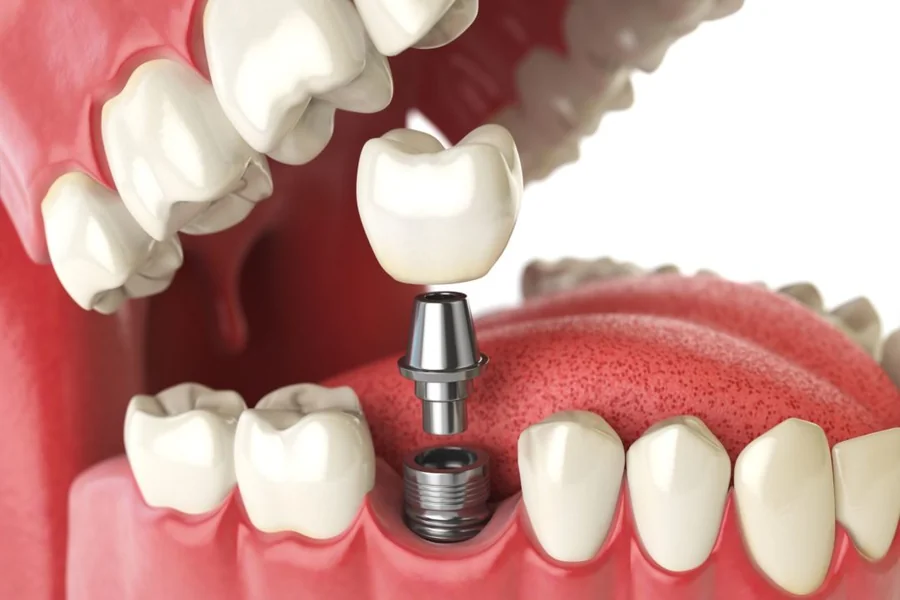
People across Peabody may choose implants for a single tooth or several teeth. Each implant acts like an artificial root beneath a custom crown. The result supports daily comfort and a balanced bite.
Dentures Feel Loose Or Uncomfortable
Loose dentures may move during meals or speech. Sore spots can also appear when the appliance rubs against the gums. Implant-supported dentures offer a firmer base and a secure feel. That stability can support clearer speech and a wider range of foods.
A dental provider can assess the denture, gum tissue, and bone level. This review can show how implants may improve support. Many patients value the added stability during meals and social events.
Chewing Has Become Difficult
Tender gums, missing teeth, or a weak bite can limit food choices. Crunchy vegetables, firm fruit, and many proteins may feel harder to manage. Dental implants can restore useful chewing strength. Better support can also help each side of the mouth share pressure.
A complete oral exam can identify the exact source of the trouble. The clinician may also check jaw movement and pressure points. Clear findings lead to a treatment plan that matches daily needs.
Jawbone Changes In Peabody
Tooth roots help stimulate the jawbone during normal use. After tooth loss, the bone in that area may gradually lose volume. An implant supplies support within the jaw and helps preserve facial structure. This support can maintain a fuller shape around the cheeks and lips.
Early care gives the provider more options for placement and restoration. Imaging can show bone height, width, and density with useful detail. Patients in Peabody can then receive guidance that reflects their specific anatomy.
Nearby Teeth Need Extra Protection
A missing tooth can place added pressure on the teeth around the gap. Those teeth may tilt, carry extra force, or become harder to clean. An implant fills the open space without relying on neighboring teeth for support. The separate design also leaves adjacent enamel untouched during placement.
This option can protect healthy tooth structure and improve alignment. A crown attached to the implant blends with the surrounding smile. Residents in Peabody appreciate a replacement that feels steady and independent. Regular checkups help the crown and surrounding gums stay in good condition.
Clear signs deserve a careful dental review and a plan built around comfort. A dentist in Peabody can examine the mouth and explain implant options in simple terms. Dental implants may restore chewing strength, support the jaw, and complete the smile. Timely care can also protect nearby teeth and make daily routines easier.
