


Key Takeaways
The need for plasma in medical treatments is on the rise, with healthcare providers frequently grappling with shortages. This underscores the urgent necessity for local donations in Laredo, TX.
Notably, a single plasma donation can save as many as three lives, demonstrating how individual contributions can have a profound effect on the health of the community.
Local healthcare initiatives heavily depend on plasma donations to provide timely access to critical treatments, thus reinforcing the healthcare infrastructure.
Preparation strategies such as staying hydrated, enjoying a balanced meal, and getting adequate rest can really help first-time donors alleviate any anxiety before donating plasma.
The entire donation process typically lasts about 90 minutes, consisting of registration, health screening, and the plasma donation itself, which, overall, is a straightforward experience.
Testimonials from both donors and recipients provide compelling evidence of the significant impact plasma donation has, creating community connections and saving lives through shared altruism.
ABO Plasma offers advantages for donors including financial compensation and referral bonuses, all while maintaining a secure donation environment through strict safety protocols and professional staff oversight.
Why Donating Plasma in Laredo Matters More Than Ever
The Critical Need for Plasma in Medical Treatments
The demand for plasma is soaring. It plays an essential role in a vast array of medical treatments, ranging from life-saving therapies to routine procedures. Each donation can have a direct effect on the care provided to patients suffering from autoimmune disorders, hemophilia, and various other serious illnesses. Experts note that the recent rise in chronic conditions has intensified the demand for donated plasma; healthcare providers frequently find themselves facing shortages, hence highlighting the crucial importance of local contributions. In Laredo, the commitment to gathering plasma stands as a key to sustaining these vital supplies.
Often, people don’t realize just how much is required; the healthcare system needs around 40,000 donations daily just to keep pace with existing treatment protocols. Yet, every donor has the potential to be a life-changer. A single donation can indeed save up to three lives. It becomes evident that each moment spent donating is a unique chance to make a significant difference in the community.
How Plasma Donation Impacts Local Healthcare Initiatives
For residents of Laredo, donating plasma equates to contributing to a larger cause that strengthens local healthcare initiatives. Hospitals and clinics depend heavily on community support to meet their plasma demands. With solid local donation centers like ABO Plasma in place, businesses don’t just meet supply needs but also work to raise awareness about the importance of plasma donation.
- Supporting treatment accessibility: Plasma donations help ensure that hospitals provide critical treatments without delay.
- Community education: Donation centers frequently host events that educate residents about the entire donation process and the demand for plasma.
- Healthcare partnerships: Collaborations between plasma centers and local hospitals enhance outreach efforts while bolstering trust within the community.
These initiatives resonate with a larger objective of strengthening healthcare systems. Throughout Laredo, this collective effort transcends mere life-saving; it cultivates a culture of compassion and collaboration. Plus, that ripple of kindness spreads far beyond the confines of clinic walls.
Step-by-Step Guide to Plasma Donation in Laredo
Essential Preparation Tips for First-Time Donors
First-time donors frequently experience apprehension. However, becoming a plasma donor doesn’t need to be intimidating. Here’s a practical guide for preparing for that all-important first visit:
- Hydrate: Consuming plenty of water in the days leading up to the donation can enhance blood volume and ensure a smoother experience.
- Eat well: A protein-rich, low-fat meal on the day of the donation prepares the body and elevates the overall experience.
- Rested and relaxed: A good night’s sleep provides both physical comfort and mental clarity, as stress can affect circulation.
By adopting these preparation strategies, donors can significantly alleviate nerves. Plus, donors often leave invigorated, eager to give back again. Why not turn that initial worry into excitement?
What to Expect During the Donation Process
First-time donors might be curious about what the donation process is like. Often, concerns regarding needles, the time commitment, and potential discomfort can overshadow the positive aspects of donating. Typically, this is what unfolds:
- Registration: The process kicks off with filling out a registration form, which provides essential information for safety and eligibility.
- Health screening: A quick health assessment follows, involving a blood pressure check and some basic health inquiries.
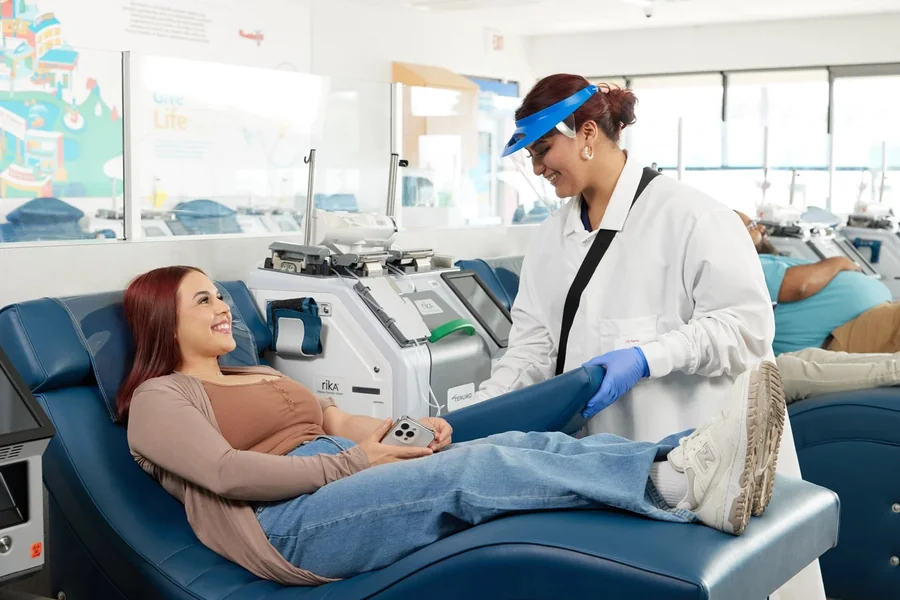
- The donation: Donating plasma generally takes about 90 minutes. A healthcare professional will insert a needle into the arm, collecting plasma while safely returning blood to the body.
“The process is simpler than most individuals expect. Once settled in, it’s just a matter of relaxing and allowing the procedure to proceed.”
During the donation, donors are encouraged to listen to music, read, or even engage in conversation with staff. This personalized care contributes to a positive experience. Afterward, enjoying a snack can be both rewarding and help restore energy. Who knew that a small investment of time could lead to such meaningful outcomes?
Real Lives Changed: Stories of Plasma Donation Success
Meet Local Heroes: Donors Who Make a Difference
Inspiring testimonials often uncover the deep impact of plasma donation. Local donors represent the heart of the community. They recognize that their contributions extend far beyond the act itself; they touch countless lives. For instance, one donor named Maria shares her journey:
“I started donating plasma to help my neighbor’s son. I had no idea it would lead me to meet so many heroes. Each donation inspires me to keep giving back.”
Stories like Maria’s underscore the profound connections built through acts of kindness. Some donors return regularly, while others choose to give during special campaigns. Regardless of how often they contribute, each act enriches the local story of humanitarianism.
Heartfelt Testimonials from Plasma Recipients
Recognizing the effects of plasma donation elucidates its vital significance. Powerful narratives from recipients bring a human touch to the statistics. For instance, David, a plasma recipient on the mend from a serious illness, shares:
“Without plasma, I wouldn’t be here today. The generosity of strangers prevented my family from facing something unimaginable. Now, I actively support local donors. They’re saving lives, mine included.”
Such anecdotes highlight the emotional weight carried by each transaction; it transcends being just a procedure – for many, it’s a vital lifeline. Those stories serve as poignant reminders that every single donation counts and profoundly impacts those in need.
Maximizing Your Donation Experience at ABO Plasma
Incentives and Rewards for Your Generosity
Plasma donation centers strive to cultivate a rewarding atmosphere for their donors. At ABO Plasma, various incentives often await those willing to donate. These rewards extend beyond the inherent value of the donation, recognizing and honoring community members for their generosity.
- Financial compensation: Many centers offer monetary rewards for each donation, aiding travel costs or simply expressing appreciation.
- Referral bonuses: Donors can invite friends and earn rewards, helping to expand the donor community.
- Special events: Occasional community events provide unique gifts or bonuses for donations during specific timeframes, boosting enthusiasm and engagement.
While financial incentives are certainly attractive, they represent just a small part of the overall experience. The true value lies in the lives positively impacted and the sense of community cohesion fostered.
Safe Practices: Ensuring a Positive Donation Environment
Equally important as the donations is the creation of a safe, positive environment. Plasma donation agencies adhere to strict standards for cleanliness and safety. Here’s a glimpse into how safety is prioritized:
- Sterilization: Instruments and equipment undergo rigorous sanitization processes to mitigate any risk of contamination.
- Professional staff: Well-trained personnel oversee procedures meticulously, ensuring donors remain comfortable and informed.
- Health monitoring: Ongoing health assessments during the donation process protect donor well-being and uphold safety protocols.
With these protocols, centers like ABO Plasma cultivate an atmosphere where donors feel confident in their choice. Each donation isn’t merely a transaction; it signifies trust in a system designed to prioritize both individual health and security.
Clearly, donating plasma in Laredo, TX isn’t just a commendable act; it’s a community-driven movement. By choosing to become a donor, individuals not only address immediate medical needs but also initiate a chain reaction of compassion and support that resonates throughout the local healthcare landscape. What could be more fulfilling than that?
FAQ
What diseases or conditions benefit from plasma donations?
Plasma donations are vital in treating a range of medical conditions. Patients with autoimmune disorders, hemophilia, and liver diseases often depend on plasma-derived therapies for their treatment. Each donation can directly enhance the quality of life for these individuals.
How often can a person donate plasma?
Typically, healthy individuals are allowed to donate plasma in Laredo TX up to twice a week. Regulations generally stipulate a minimum of 48 hours between donations, ensuring the body has adequate time to recover. This flexibility supports a steady supply for those in need.
Are there age or weight restrictions for plasma donors?
Yes, most donation centers enforce specific age and weight guidelines. Generally, donors must be at least 18 years old and weigh a minimum of 110 pounds. These precautions ensure donor safety and health throughout the donation process.
What should donors do after donating plasma?
After donating, it’s advisable to take a few minutes to rest and enjoy a nutritious snack provided by the donation center. Staying hydrated afterward is also essential for recovery. This straightforward aftercare helps replenish energy and ensures donors leave feeling their best.
Do plasma centers offer any special promotions or events?
Many plasma donation centers, such as ABO Plasma, host special promotions or events, especially around holidays or awareness days. These may include increased compensation for donations, complimentary merchandise, or community gatherings that encourage donor participation.
How can plasma donors help raise awareness about donation needs?
Donors frequently act as ambassadors for plasma donation by sharing their stories in local communities and on social media. Encouraging friends and family to consider donating, along with taking part in community events, can significantly enhance awareness and boost donations.
Are there any health benefits associated with donating plasma?
Donating plasma may bring certain health advantages for donors. Regular donations can decrease iron levels in the body, potentially reducing the risk of heart disease. Moreover, it promotes a healthy lifestyle, as donors often become more conscious of their overall health and well-being.
What should potential donors know about the safety of the donation process?
The plasma donation process adheres to rigorous safety standards. Centers enforce strict sterilization protocols and employ trained staff to ensure donor comfort. Continuous health monitoring during and after the donation guarantees individual health is safeguarded, reaffirming the center’s commitment to safety.
