


Key Takeaways
- State-specific laws are foundational to staying compliant with payroll regulations.
- Remote work frequently triggers new tax and reporting obligations for employers.
- Embracing audits and modern payroll technologies reduces risks associated with multi-state compliance issues.
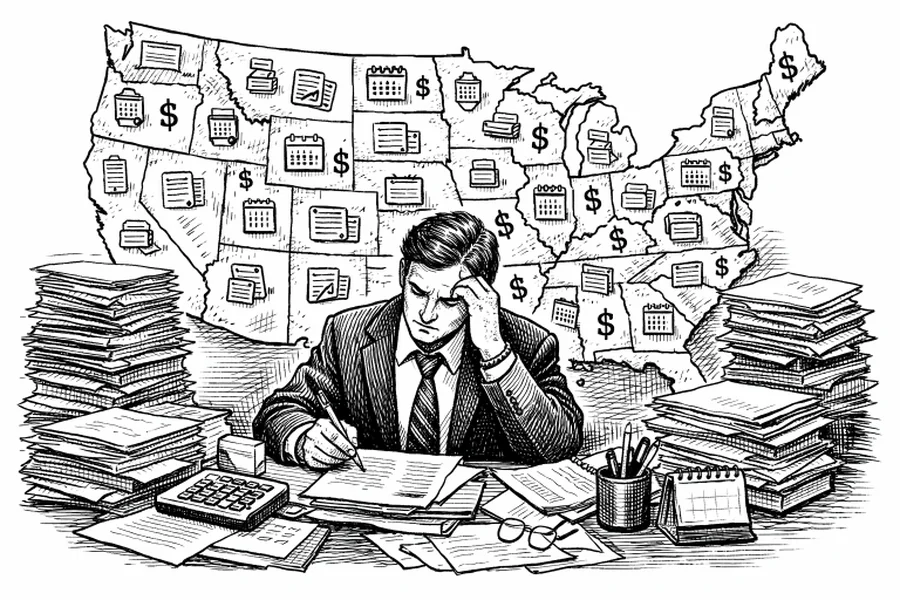
Managing payroll across several states brings with it a complex set of compliance hurdles for employers. Each U.S. state enforces its own unique tax codes, wage standards, and procedural requirements, which can dramatically complicate pay processes for businesses with a dispersed workforce. This makes staying up-to-date crucial for avoiding costly penalties and maintaining a consistent payroll operation. For companies experiencing growth or those embracing remote work, learning how to manage these complexities using effective multi-state payroll processing services is vital.
The growing trend of remote and hybrid work models has further exacerbated these challenges. Employees can now work from almost anywhere, creating unexpected employer obligations in new jurisdictions. Remaining compliant requires employers to actively monitor where their workforce is located and adapt their payroll practices accordingly. This can quickly become overwhelming without the right resources and expertise.
Understanding State-Specific Tax and Wage Laws
No two states have identical payroll rules. For example, states like California and New York have layered minimum wage laws, overtime requirements, and distinct documentation mandates. These non-uniform regulations create a moving target for businesses, especially those hiring across state lines or shifting to remote teams.
Employers are required to accurately withhold state income taxes, report wages, and sometimes even contribute to unique state-run benefit programs. Workplace rules concerning payday frequency and final paychecks vary, meaning companies must have clear systems in place to conform to the local standards of every state where their employees work.
The Impact of Remote Work on Payroll Compliance
Remote work has dramatically altered the payroll landscape. When an employee works from a state where the business is not physically located, it can establish a tax nexus that compels the employer to register for state tax accounts and comply with that state’s employment laws. For instance, the simple act of hiring a remote worker in a new state could trigger requirements for state income tax withholding, unemployment insurance, and workers’ compensation coverage.
This scenario highlights the importance of implementing systems that capture employee work locations in real-time. Failing to do so can result in missed deadlines, tax filing errors, and even audits or sanctions from state agencies. Additional guidance on payroll challenges facing remote teams can be found in reputable sources such as SHRM.
Common Challenges in Multi-State Payroll Management
Businesses managing multi-state payroll encounter several recurring pitfalls:
- Registration requirements for new state payroll tax accounts and unemployment insurance programs.
- Compliance with varying state-mandated paid leave policies, some of which differ dramatically in eligibility and accrual standards.
- Maintaining accuracy with wage and tax withholding as well as employment status reporting across all applicable states.
Mistakes in these areas can result in penalties, back taxes, and reputational harm. Businesses must establish smart processes for reconciling payroll differences and ensuring compliance across their entire workforce footprint. For a deeper dive into state payroll requirements and challenges, the CPA Practice Advisor offers a comprehensive analysis.
Strategies for Ensuring Compliance
- Conduct Regular Audits: Evaluating payroll practices regularly helps organizations identify gaps, correct underpayments or overpayments, and adjust procedures to comply with newly introduced state laws. Audits also foster a culture of transparency and diligence.
- Leverage Technology: Payroll software with robust multi-state capabilities can automate compliance tasks, calculate accurate withholdings, and manage updates as state laws change. Selecting a scalable solution ensures new states can be added smoothly as the business grows.
- Stay Informed: Subscribe to state government payroll updates, leverage HR professional networks, and assign someone within the organization to monitor relevant changes. Being proactive in monitoring changes is often less costly than fixing compliance breaches after the fact.
The Role of Professional Employer Organizations (PEOs)
Professional Employer Organizations (PEOs) can greatly reduce the compliance burden for companies dealing with multi-state payroll. PEOs assume payroll, tax, and HR responsibilities, giving companies peace of mind and allowing them to concentrate on strategic growth. When selecting a PEO, employers must confirm that the organization has the capacity and knowledge required to handle compliance tasks in all the states relevant to their workforce.
Partnering with the right PEO can also provide additional resources such as legal guidance and risk management tools, further lessening the pressure on internal staff.
Conclusion
Multi-state payroll compliance presents a challenging but manageable aspect of modern business. With more organizations adopting remote and distributed work, the complexity will only increase. By building an understanding of state-specific requirements, deploying smart technology solutions, auditing current practices, and considering outside expertise such as PEOs, businesses can confidently navigate this ever-evolving landscape. Staying educated and proactive is essential to maintaining compliance and ensuring employees receive timely, accurate paychecks in every state.
