


Key Takeaways
- Engage in regular physical activity to maintain strength, balance, and prevent falls.
- Modify the home environment to reduce risks and enhance safety.
- Embrace modern technology to assist with everyday tasks and emergencies.
- Stay socially involved to nourish mental and emotional health.
For many older adults, ensuring both safety and independence remains a top priority. Whether living alone or with family, there are numerous ways seniors can take proactive steps to enjoy confidence and autonomy at home. One powerful approach is to use an emergency response system, which provides peace of mind for both seniors and their loved ones by ensuring rapid assistance in emergencies. Incorporating practical strategies and leveraging modern solutions helps create a supportive environment for aging in place. It’s important not only to address physical safety but also to encourage engagement, technological innovation, and ongoing healthcare routines. With these steps, seniors can take control and feel empowered to live life to the fullest. Practical support and awareness are crucial as older adults navigate daily challenges. Even small changes or adjustments can help prevent accidents and promote overall well-being, making meaningful independence possible for years to come. Staying informed about best practices and newer tools for aging at home is also vital.
Engage in Regular Physical Activity
Consistent movement plays a foundational role in senior health. Maintaining muscle strength and improving balance lowers the risk of falls, which are a leading cause of injury for people over 65. Simple at-home exercises are effective and convenient:
- Chair Sit-to-Stands: Boost leg strength and core stability by practicing sitting and rising from a sturdy chair.
- Wall Push-Ups: A safe way to build upper body muscles using just a wall for support.
- Heel-to-Toe Walks: Enhance balance by walking in a straight line, placing each foot directly in front of the other.
For individualized advice or to ensure that exercises are appropriate for specific health conditions, consult a healthcare provider or a physical therapist specializing in senior care.
In addition to structured exercises, seniors can benefit from integrating more movement into daily routines. Gardening, gentle stretching, walking around the neighborhood, or participating in community fitness classes not only improve strength and mobility but also foster social connections. Exploring activities that are both meaningful and enjoyable increases the likelihood of forming lasting habits. Support from family or friends, even virtually, enhances motivation and accountability. Resources like the National Institute on Aging provide credible guidance you can rely on.
Modify Your Home for Safety
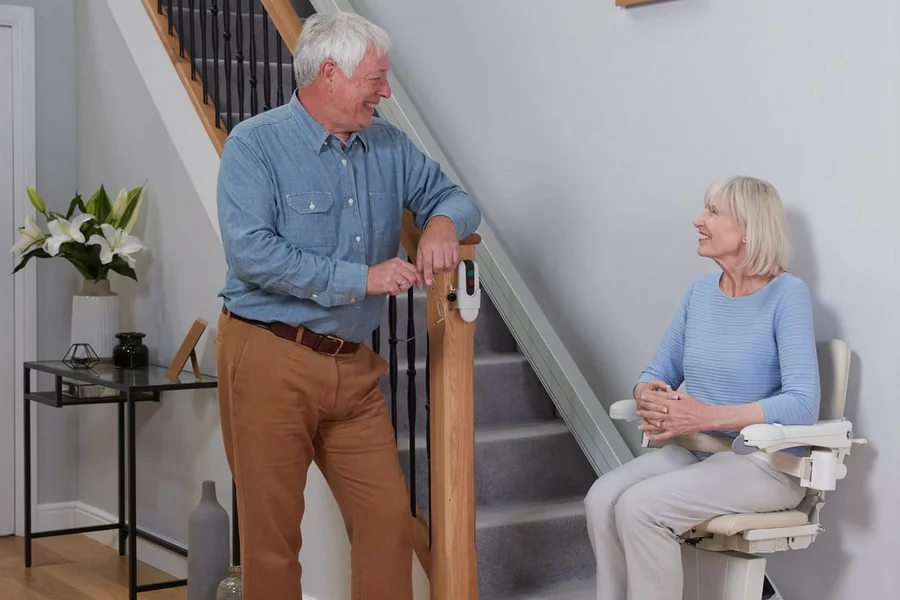
Home modifications help reduce hazards and make daily life easier. More targeted improvements, including handrail remodeling, can provide additional support along staircases and other areas where seniors may need greater stability. Consider these common changes:
- Install Grab Bars: Place them in bathrooms and along staircases to provide stability.
- Improve Lighting: Brighten hallways, stairs, and entrances to prevent trips and slips.
- Remove Tripping Hazards: Secure or eliminate area rugs and keep walkways clear of clutter, shoes, and cords.
Small investments in safety can prevent serious injuries and help seniors move confidently in their space. For more ideas, see the Mayo Clinic’s safety recommendations.
Additional considerations include ensuring that smoke and carbon monoxide detectors function properly and are checked regularly. Installing a shower seat or non-slip mats in the bathroom provides further support. Seniors with impaired vision may benefit from contrasting colors on stair edges and handrails for easier navigation. It’s also wise to organize commonly used items within easy reach, reducing the need for step stools or excessive bending.
Leverage Technology for Assistance
Modern technology can transform the home environment for older adults. Some impactful tools include:
- Medical Alert Systems: Wearable devices connect users to help at the press of a button, ensuring a fast response in emergencies.
- Smart Home Devices: Voice-activated assistants manage lighting, reminders, and communication, making daily tasks less burdensome.
- Medication Management Apps: Digital reminders ensure critical medications are taken on time every day.
Using these resources empowers seniors to safely manage household routines and remain independent, even when challenges arise.
For seniors less familiar with technology, community centers, libraries, and local organizations often offer introductory classes on digital skills. Learning to use a smartphone or tablet can open the door to a wealth of helpful information and services, including virtual doctor visits (telehealth), grocery delivery, and connecting with distant loved ones online. Assistance setting up and maintaining these devices can usually be found through community volunteers or tech support services tailored for seniors.
Stay Socially Connected
Social engagement keeps the mind active and spirits high. Community events, clubs, and online forums offer outlets to build relationships, share experiences, and find support. Maintaining contact with friends and family through visits, phone calls, or video chats extends emotional support and encourages early intervention if health issues arise. Volunteering, joining a hobby group, attending religious gatherings, or participating in lifelong learning classes are great ways for seniors to maintain purpose and structure in daily life. Structured social activities can help guard against isolation and depression, common issues among older adults. Pets, too, can offer valuable companionship and contribute to a sense of responsibility and joy.
Regular Health Check-Ups
Routine medical care is essential for long-term health and independence. Regular check-ups help catch minor problems before they become serious. Discuss medications with healthcare providers to avoid any that could cause dizziness or impact balance, which can increase fall risk. Preventive screenings and vaccinations also contribute to stronger well-being. In addition to routine visits, seniors should maintain open communication with their healthcare team and promptly report any changes in vision, hearing, mood, or balance. Proper management of chronic conditions is vital for preserving independence. Eye exams, hearing tests, and consultations with specialists all play a role in maintaining the highest quality of life.
Plan for Emergencies
Preparation is the key to safety. Maintain an up-to-date emergency plan, including the names and contact information for key contacts, both family and healthcare professionals. Keep a list of current medications and medical conditions on hand in an accessible location. Consider enrolling in a medical alert program or coordinating with local first responders for added assurance in crises. Practicing emergency drills, knowing where vital documents are stored, and keeping a supply of medications, water, non-perishable food, and flashlights can make a critical difference during unexpected situations such as power outages or severe weather. Sharing the plan with trusted neighbors or friends can further strengthen your support network in challenging times.
Conclusion
Maintaining safety and independence as you age is achievable with thoughtful planning and regular action. By prioritizing physical activity, updating the living space, integrating helpful technology, fostering social ties, attending health check-ups, and preparing for emergencies, seniors can feel secure at home. With these proactive measures, aging adults can embrace this stage of life with energy, confidence, and peace of mind. Remember, independence is not just about managing alone, as it’s about making choices, using resources wisely, and welcoming support when needed. By staying proactive and informed, seniors can relish the benefits of aging in place, surrounded by comfort and familiarity, while enjoying the opportunities each new day brings.
