


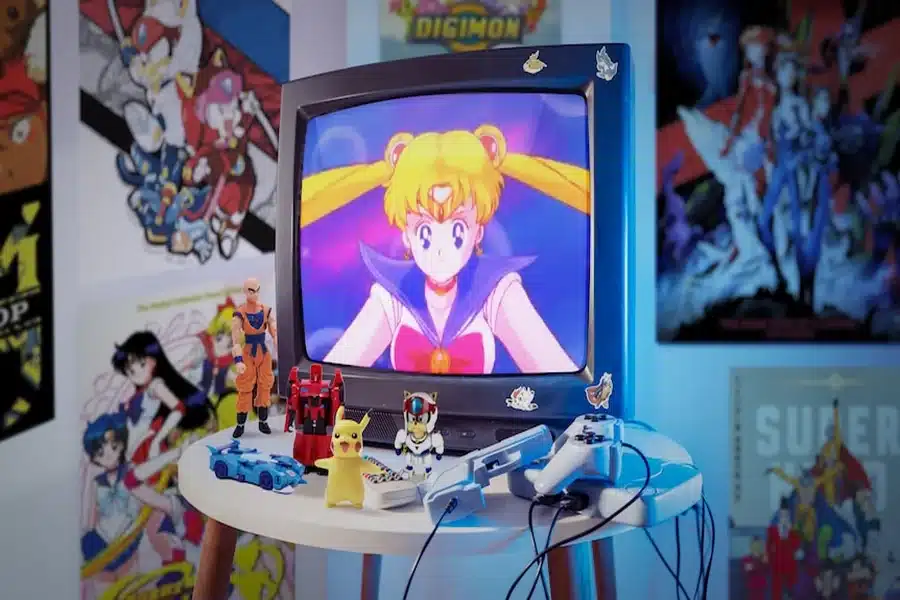
Anime is no longer a niche form of entertainment. It is a global force that shapes culture, fashion, gaming, and storytelling. What started as a local form of animation in Japan has turned into a billion-dollar industry with fans across every continent. The rise did not happen overnight. It grew step by step through creativity, technology, and strong fan communities. Platforms like AnimeShow have also helped fans stay connected and explore new content, making the journey even faster.
The Early Days of Anime
Anime began as a small part of Japan’s entertainment industry. In the mid 20th century, creators started experimenting with animation styles that were different from Western cartoons. Limited budgets forced studios to find creative ways to tell stories. This led to a focus on strong characters and emotional storytelling instead of expensive visuals.
Shows in the 1960s and 1970s laid the groundwork. They introduced long-form storytelling and recurring characters. These ideas helped anime stand out. Instead of short episodes with no connection, anime often told stories that continued over time. This approach made viewers more invested.
By the 1980s, anime started to grow within Japan. Home video technology made it easier for people to watch content at their own pace. This also allowed creators to experiment with different genres. Science fiction, romance, action, and even complex psychological themes became common.
Breaking Into Global Markets
Anime’s move into international markets was slow at first. In the 1990s, some shows were exported to Western countries. These shows were often edited to fit local audiences. Despite changes, they gained attention. Many viewers found anime different and exciting.
This period was important because it introduced anime to a new generation. Kids and teenagers who watched these shows grew up and continued to follow anime. They became the first wave of global fans.
At the same time, fan communities started forming. People shared tapes, discussed episodes, and translated content. These early communities played a big role in spreading anime outside Japan.
The Role of the Internet
The internet changed everything. In the early 2000s, fans could access anime more easily. Online forums, file sharing, and fan websites helped people discover new series. Subtitles made it possible to watch shows in their original language.
Streaming platforms later took this to another level. Instead of searching for content, viewers could watch anime instantly. This convenience attracted millions of new fans. It also helped studios reach global audiences without relying on traditional distribution.
The internet also allowed fans to connect. Social media made it easy to share opinions, fan art, and recommendations. This created a strong sense of community. Fans were not just viewers. They became active participants in the culture.
Merchandising and Revenue Growth
Anime is not just about shows. It is a massive business built around multiple revenue streams. Merchandising is one of the biggest contributors. Fans buy figures, clothing, posters, and collectibles related to their favorite series.
This demand has turned anime characters into global brands. Companies collaborate with fashion labels, toy manufacturers, and even food brands. These partnerships bring anime into everyday life.
Licensing also plays a big role. Streaming rights, broadcasting deals, and international distribution generate huge income. As demand grows, companies are willing to pay more for access to popular titles.
Video games add another layer. Many anime series expand into games that attract both fans and new players. This cross-industry connection strengthens the overall market.
The Power of Storytelling
One of the biggest reasons for anime’s success is storytelling. Anime is not limited to one style or audience. It covers a wide range of themes. Some stories focus on friendship and growth. Others explore deep emotional or philosophical ideas.
This variety attracts different types of viewers. Children, teenagers, and adults can all find something they enjoy. Unlike many forms of entertainment, anime does not restrict itself to a single age group.
Characters also play a key role. They often feel real and relatable. Viewers connect with their struggles and goals. This emotional connection keeps fans engaged over time.
Cultural Influence Around the World
Anime has influenced global culture in many ways. Fashion trends inspired by anime characters are common. Cosplay events bring fans together to celebrate their favorite series. These events are held in cities around the world and attract large crowds.
Music is another area of influence. Theme songs and soundtracks often become popular outside Japan. Artists collaborate with anime studios, creating songs that reach global audiences.
Language and expressions from anime have also entered everyday conversations among fans. This shows how deeply anime has become part of modern culture.
The Role of Streaming Platforms
Streaming platforms have played a major role in anime’s growth. They provide easy access to a wide range of content. Viewers no longer need to wait for local broadcasts or physical releases.
These platforms also invest in original anime productions. This increases the number of shows available and supports the industry. With more content, there is something for everyone.
Global releases have become more common. Episodes are often available at the same time worldwide. This creates a shared experience for fans across different countries.
Challenges Along the Way
Despite its success, the anime industry faces challenges. Production schedules can be demanding. Animators often work long hours. This raises concerns about working conditions.
Piracy is another issue. While streaming has reduced it, unauthorized sharing still exists. This affects revenue and makes it harder for studios to earn from their work.
Competition is also increasing. With more content being produced, it can be difficult for new shows to stand out. Studios must find ways to keep audiences interested.
The Impact of Technology
Technology continues to shape the anime industry. Digital tools have made animation more efficient. Studios can produce high-quality content faster than before.
At the same time, new technologies like virtual reality and artificial intelligence are opening new possibilities. These tools may change how stories are created and experienced.
Global communication tools also help studios collaborate with international partners. This expands creative opportunities and brings new ideas into the industry.
The Future of Anime
The future of anime looks strong. The global fan base continues to grow. New markets are opening, and more people are discovering anime every year.
Streaming platforms will likely remain a key part of this growth. They make it easy for viewers to access content and explore new genres.
Merchandising and collaborations will continue to expand. Anime will remain connected to fashion, gaming, and other industries.
At the same time, there will be a need to address challenges. Improving working conditions and supporting creators will be important for long-term success.
Why Anime Became a Billion-Dollar Industry
Anime became a billion-dollar industry because it connects with people. It offers stories that feel real and engaging. It adapts to new technology and reaches audiences around the world.
The combination of strong storytelling, global access, and diverse revenue streams has created a powerful industry. Fans play a key role by supporting content and sharing their passion.
What started as a local form of entertainment has grown into a global movement. Anime is now part of everyday life for millions of people. Its journey shows how creativity and connection can turn a simple idea into a worldwide success.
