


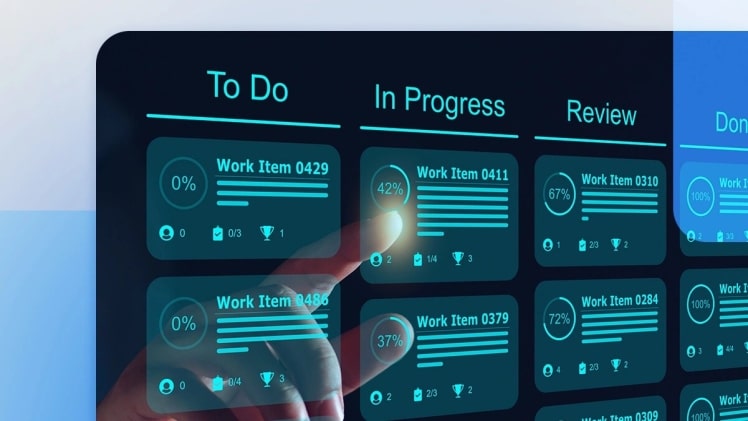
Utilising project management software to handle graphic design workflows can significantly boost the efficiency and productivity of creative teams. These tools offer a structured approach to task management, enabling designers to streamline their processes and meet project deadlines consistently.
One of the primary benefits of project management software is its ability to facilitate task management. Graphic Designers can effortlessly assign tasks, establish deadlines, and check progress, ensuring that every aspect of the project remains on track. This degree of organisation enhances workflow efficiency, minimising the risk of bottlenecks and delays.
Team collaboration is another critical area where project management software excels. Integrating communication tools within the platform allows team members to share real-time updates, provide feedback, and discuss ideas. This seamless interaction fosters a collaborative environment, ensuring all stakeholders are aligned and informed.
Combining design tools with project management software further boosts workflow efficiency. Designers can directly link their preferred design software with the project management platform, streamlining the transfer of files and updates. This integration reduces manual work and allows designers to focus more on creativity and less on administrative tasks.
Automated tasks and resource allocation features in project management software also improve efficiency. By automating repetitive tasks and efficiently allocating resources, teams can enhance their productivity and ensure that every aspect of the project is thoroughly addressed.
Progress tracking and performance metrics are essential for monitoring the project’s health. Project management software provides real-time insights into project progress, helping teams identify potential issues early and adjust their strategies accordingly. Detailed project reporting further aids in analysing project outcomes and refining future workflows.
Using project management software to manage graphic design workflows offers numerous benefits, from enhanced task management and team collaboration to improved workflow efficiency and detailed progress tracking. By leveraging these tools, design teams can ensure successful project delivery and maintain high productivity.
Streamlining Task Management for Graphic Design Projects
The world of graphic design can be a whirlwind of creativity, deadlines, and ever-evolving ideas. Juggling multiple projects and keeping track of countless tasks can quickly lead to chaos. Here’s where streamlined task management comes in, allowing graphic designers to reclaim control and maximise their productivity.
Ditch the sticky notes and scattered spreadsheets for dedicated project management tools. These platforms provide a central hub for organising tasks, setting deadlines, and assigning ownership within graphic design projects. This fosters clarity and accountability, ensuring everyone knows what needs to be done and when.
Not all tasks are created equal. Effective task management involves prioritising based on urgency and importance.
Techniques like the Eisenhower Matrix can help graphic designers categorise tasks as urgent/necessary, urgent/not important, not urgent/important, and not urgent/not important. Focusing on high-priority tasks first ensures deadlines are met and the project stays on track.
Significant, looming tasks can feel overwhelming. Streamlined task management encourages breaking down complex projects into smaller, more manageable steps. This creates a clear roadmap for progress, reduces feelings of intimidation, and allows graphic designers to maintain focus and momentum.
Many project management tools include automation features that handle repetitive tasks like sending reminder notifications or generating progress reports. This efficiency frees up graphic designers’ time, allowing them to delve deeper into the creative aspects of the project.
Schedule regular check-ins to review progress, identify roadblocks, and adjust priorities as needed. This ensures graphic designers stay on top of their workload and can adapt to project scope or deadline changes.
By adopting these strategies, graphic designers can shift their workflow from chaotic to organised. Efficient task management enables them to concentrate on their strengths: crafting stunning visuals and executing design projects with precision and clarity.
It is worth noting that most accredited project management courses will have this information within their courses.
Enhancing Team Collaboration
The magic of graphic design often lies in the synergy between creative minds. However, fostering effective collaboration within design teams can be challenging in today’s fast-paced world. Establishing a solid foundation is essential for breaking down barriers and creating a seamless collaborative environment.
This starts with clear roles and responsibilities. Design teams should have a transparent understanding of who owns which aspects of a project, from initial brainstorming to final execution. This eliminates confusion and ensures everyone knows who to reach for specific tasks or updates.
Modern Visual design teams thrive with a toolbox of communication tools beyond in-person meetings. Utilise project management platforms for centralised task tracking, instant messaging apps for quick exchanges, and video conferencing software for brainstorming sessions or in-depth discussions. This allows for seamless communication regardless of location and fosters a dynamic flow of ideas.
Collaboration thrives on the richness of different viewpoints. Encourage a culture where graphic designers feel comfortable sharing ideas, regardless of seniority. Techniques like brainstorming sessions and creating mood boards can spark creative cross-pollination, leading to unexpected solutions that elevate the final design’s quality.
Open communication is crucial, including fostering a culture of constructive feedback. Regular critiques throughout the design process allow graphic designers to refine their work and ensure it aligns with project goals and client expectations. Celebrate iteration as a sign of growth, not failure. By openly exchanging ideas, teams can create more robust designs and cultivate shared ownership of the project’s success.
Acknowledge the power of teamwork. Publicly celebrate successful design solutions that showcase the collective effort of the team. This reinforces positive collaborative behaviours and motivates graphic designers to work together to achieve remarkable design outcomes.
By implementing these strategies, visual design teams can cultivate a collaborative environment that empowers them to create impactful visuals. When communication is open, diverse perspectives are appreciated, and teamwork is celebrated, graphic design teams can accomplish more together than individually.
Improving Workflow Efficiency
Enhancing workflow efficiency is vital for the success of any graphic design team. In the fast-paced industry, streamlining processes and maximising productivity are essential. Here are some strategies to enhance workflow efficiency in graphic design.
Implementing project management software can make a significant difference. These tools help organise tasks, set deadlines, and track progress, ensuring every team member knows their responsibilities and timelines. By centralising task management, graphic design teams can avoid miscommunications and stay on schedule.
Another critical strategy is to integrate design tools with project management software. This integration enables effortless file sharing and updates, minimising the time spent on administrative tasks. With all the necessary tools and information in one place, designers can concentrate more on their creative work.
Automating repetitive tasks is also a great way to improve workflow efficiency. Graphic design often involves repetitive tasks such as resizing images or applying consistent branding elements. Automation tools can handle these tasks quickly and accurately, allowing designers to tackle more complex and creative challenges.
Effective resource allocation is crucial. Project management software can facilitate this by assigning tasks according to team members’ skills and availability. This ensures that projects are completed by the most qualified individuals, leading to higher-quality outcomes.
Regular progress tracking and performance metrics are vital for maintaining efficiency. By monitoring progress in real time, graphic design teams can identify potential bottlenecks early and address them proactively. This ongoing assessment helps adjust strategies and maintain a smooth workflow.
Improving workflow efficiency in graphic design involves utilising project management software, integrating design tools, automating repetitive tasks, and monitoring progress. By implementing these strategies, design teams can enhance productivity, reduce stress, and consistently deliver high-quality work.
Frequently Asked Questions
How does project management software enhance task management in graphic design workflows?
Project management software helps organise tasks, set deadlines, and track progress in graphic design workflows. This ensures that all aspects of the project stay on schedule, maintaining workflow efficiency and reducing the risk of bottlenecks and delays.
What role do collaboration tools play in graphic design workflows?
Collaboration tools integrated within project management software facilitate seamless communication among graphic design team members. They allow real-time sharing of updates and feedback, fostering a collaborative environment where all stakeholders are aligned and informed.
How can integrating design tools with project management software improve efficiency in graphic design?
Integrating design tools with project management software allows graphic design teams to link their preferred software directly to the project management platform. This streamlines the transfer of files and updates, reducing manual work and allowing designers to focus more on creative tasks.
What benefits do automated tasks and resource allocation offer in graphic design projects?
Automated tasks handle repetitive processes quickly and accurately, freeing up graphic design teams to focus on more complex challenges. Efficient resource allocation ensures tasks are assigned based on team members’ skills and availability, leading to higher-quality project outcomes.
Why is progress tracking important in managing graphic design workflows?
Progress tracking provides real-time insights into project progress, helping graphic design teams identify potential issues early and adjust their strategies accordingly.
How can project reporting aid in refining future graphic design workflows?
Comprehensive project reporting enables graphic design teams to evaluate project results and pinpoint areas for enhancement. By reviewing what worked well and what didn’t, design teams can refine their workflows for future projects, enhancing overall productivity and efficiency.
