


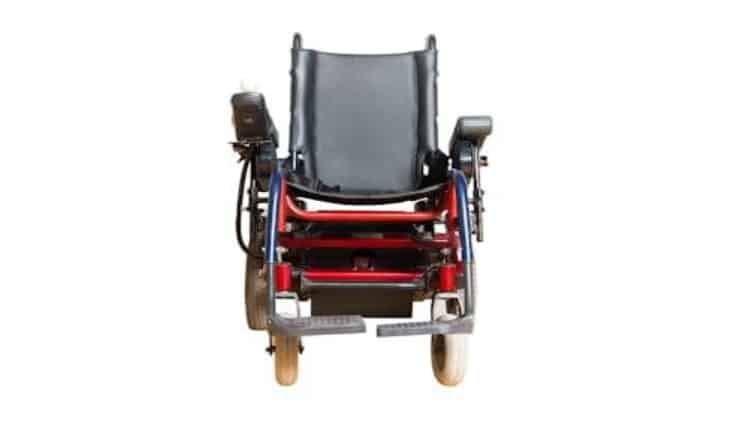
Buying a mobility scooter or power wheelchair is one of the best wellness decisions you can make, especially following a diagnosis of a mobility impairment.
While each device comes with unique features, regular maintenance is critical to keep them in peak performance.
We’ve prepared a beginner’s guide on mobility scooter and electric wheelchair maintenance.
Getting Started With the User Manual
When it comes to mobility aids, there are dozens of brands and models to explore.
Models, such as the Baja Wrangler 2, are renowned for their exceptional outdoor performance. However, you can also find several mobility scooters and power wheelchairs designed for indoor use.
The difference between indoor and outdoor motorized mobility aids depends primarily on wheel size, ground clearance, and turning radius.
Besides the intended riding environment, mobility scooters and power wheelchairs vary in size, weight capacity, construction material, incline angle, and built-in comfort features.
Since each device is unique, reading the user manual can provide insights into the ideal care and maintenance plan.
A mobility scooter or power wheelchair manufacturer may recommend certain cleaning reagents based on a vehicle’s construction materials. While specific components may be cleaned with water, others are better maintained by greasing.
Regular Cleaning
Cleaning is a critical part of mobility scooter and power wheelchair maintenance.
Now, there’s no consensus on how regularly to clean either device. That would depend on factors like frequency of use and the prevailing weather.
However, a good practice is to follow a weekly cleaning routine for daily usage and a monthly cleaning for occasional use. The idea is to wash off dirt and dust before it accumulates on your mobility scooter or power wheelchair, potentially causing mechanical damage to the moving components.
Perhaps the key thing here is selecting proper cleaning supplies.
Due to their sensitive components, mobility scooters and power wheelchairs should never be cleaned with harsh chemicals. Instead, insist on a mild soap or detergent.
Add a small amount of soap to plain water to lather. Then, dip a soft fabric into the soapy water and gently wipe down your scooter or wheelchair.
Remember to start from the top (frames and handlebars) and work your way down (to the undersides and battery pack). Besides, clean and rinse the components independently.
When done, dry your scooter or wheelchair immediately. This helps to keep rust and corrosion from the vehicles’ metallic parts.
Another precaution is to avoid getting water on the electrical components, including the battery, motor, and lighting systems.
Do not hose down or pressure wash a mobility scooter and power wheelchair. All electrical components should be wiped with a soft, dry fabric.

Riding Precautions
While many mobility scooter and power wheelchair brands excel outdoors, it’s important to observe the weather before hopping onto these vehicles.
Do not ride a motorized scooter or wheelchair while it’s raining. Avoid driving through puddles, either.
As mentioned, moisture can accelerate rusting and corrosion of a scooter or wheelchair’s metallic parts. Water can also cause the devices’ electrical components to malfunction, leading to costly repairs and replacements.
If your mobility scooter or power wheelchair accidentally gets wet while you’re on the road, it’s best to wipe it dry as soon as you get to your destination. It’s also prudent to take shelter from rainfall and resume your trip when the rain stops.
Besides moisture, outdoor scooter or wheelchair riders also contend with ultraviolet (UV) and thermal degradation.
UV radiation and extreme temperatures can degrade several components of a scooter and wheelchair, notably polymer-based materials like plastics. So, if possible, avoid scheduling your trips in the heat of the day.

Tire Care
Several mobility scooters and power wheelchairs use pneumatic tires. For such models, frequent tire maintenance is paramount.
Like other automobiles, scooter or wheelchair tires should maintain optimal pressure.
Riding a mobility scooter or electric wheelchair with underinflated tires can reduce the vehicle’s battery life. Underinflated tires can also damage the valve system, besides increasing the risk.
Overinflated tires aren’t safe either. The biggest hazard with overinflated scooter and wheelchair tires is uneven wear. Besides, excess tire pressure can reduce traction, impact the vehicle’s stability, and increase the risk of a blowout.
Most mobility scooters require around 25 pounds per square inch (psi) of pressure for the front and 30 psi for the rear tires. Regardless of the model, your scooter’s tire pressure should not fall below 10 psi or exceed 50 psi.
As for power wheelchairs, aim for 20 – 35 psi. Check your scooter or wheelchair’s user manual for the ideal pressure.
Besides checking for pressure, inspect your scooter and wheelchair tires frequently for punctures, foreign objects, and signs of wear. Remember also to grease the wheels (plus other moving components) at least once weekly to minimize friction.
Battery Care
A mobility scooter and power wheelchair’s battery is perhaps the most critical component. Without a functional battery, the vehicle is nothing but dead weight.
All motorized scooters and power wheelchairs come with rechargeable batteries. You can choose between lithium-ion and lead-acid, depending on the model.
Regardless of the battery type the vehicle comes with, implementing proper maintenance is the surest way to extend the battery’s life.
First, follow the recommended charging regime.
Many scooter and wheelchair batteries require 8 – 10 hours of continuous charge, although this may vary by model.
Experts recommend recharging the battery when it has about 20 – 30% remaining charge. Do not recharge your scooter or wheelchair’s battery when it has more than 50% or less than 20% charge, as both can accelerate the battery’s degradation.
To prolong your battery’s life, avoid using headlights unnecessarily. Riding along sloppy terrains and carrying excess baggage may drain your battery much faster.
Don’t forget to practice safe battery storage tips.
All scooter and wheelchair batteries should be stored in a cool, dry, and dark place. Strive to maintain a consistent room temperature between 50 degrees Fahrenheit and 77 degrees Fahrenheit.
If you won’t go on a ride for a couple of weeks, disconnect the battery and store it separately. Besides, ensure the battery is at least 50% charged before storing it for an extended period.

Summary
Mobility scooters and power wheelchairs are perhaps the most advanced mobility aids around. These vehicles are a significant step from manual wheelchairs, providing users with a hands-free approach to navigating their environments.
However, the efficiency of either device depends largely on proper care and maintenance. Implementing the above pointers is a proactive way to extend the lifespan of your mobility scooter or electric wheelchair.
Besides, following a robust maintenance plan can forestall annoying downtimes caused by frequent mechanical breakdowns.
