


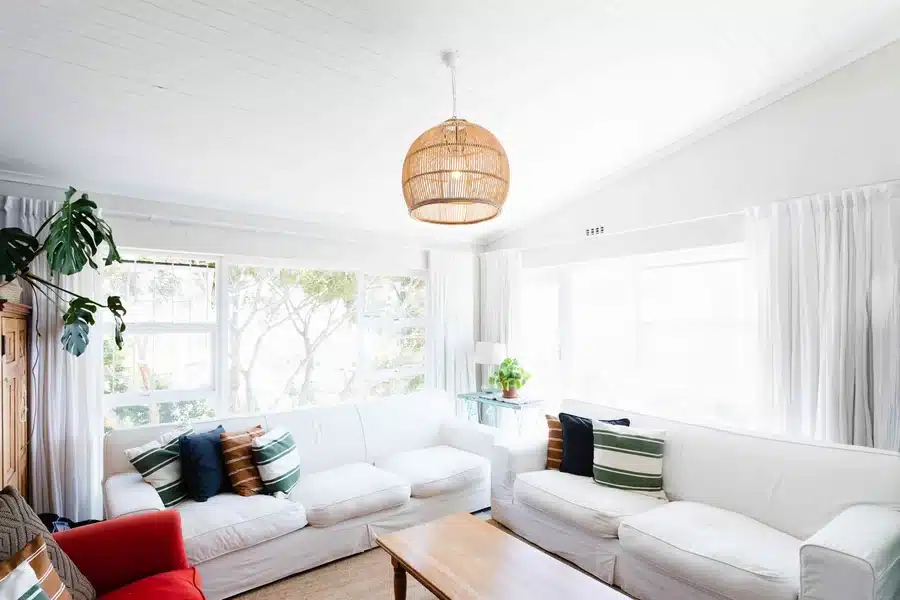
With the average size of UK homes steadily decreasing, many of us are searching for ways to make our compact living spaces feel less cramped and much more inviting. The rise of hybrid working has only intensified this issue, as we now expect our small bedrooms and living areas to double as functional home offices. While knocking down walls or adding a costly glass extension might be the ultimate dream, these options are rarely practical, quick, or budget-friendly for the average homeowner. Fortunately, there is a highly effective interior design alternative that requires absolutely no structural changes whatsoever. Upgrading your interior lighting is arguably one of the most impactful ways to visually expand a room. When executed correctly, the right illumination can seamlessly trick the eye, making low ceilings look significantly higher and narrow walls feel comfortably wider.
Strategic Fixtures for Compact Living
In a small room, every single square inch of floor and surface space matters immensely. Bulky floor lamps and oversized ceramic table lamps can quickly clutter a compact living room or an already tight bedroom, making the space feel oppressive. The secret to maximising your available room is to utilise your vertical space by installing fixtures that provide excellent illumination without eating into your usable, everyday footprint.
Wall-mounted fixtures are incredibly useful design tools in this regard. For example, installing an angled wall light beside your bed or over a cosy reading chair provides targeted, bright illumination while keeping your bedside tables and floors completely clear of tangled cords and heavy bases. Because these specific fixtures can be adjusted and pivoted to direct light exactly where it is needed at any given time, they offer maximum functionality wrapped up in a sleek, minimalist package. This smart approach not not only streamlines your overall aesthetic but also naturally draws the eye upwards, which subtly reinforces the feeling of height in a room with a lower ceiling. Embracing wall-mounted options allows you to reclaim your surfaces for decorative touches or simply enjoy a cleaner, less cluttered environment.
The Science of Spatial Perception
Understanding how our eyes interpret space is the crucial first step in rethinking your home lighting strategy. It is not just about throwing a high-wattage bulb into a room and hoping for the best. Rather, it is entirely about where that light is directed and how it interacts with the surfaces around it. Relying on a single central pendant light is a common mistake in smaller homes, as it typically pools bright light in the middle of the floor while leaving the corners in harsh shadows. This sharp contrast between light and dark makes the room feel boxed in and claustrophobic.
Dispersing light towards the outer edges can completely alter your perception of the area. According to an academic study on spatial perception published in the Sustainability journal, illuminating walls can significantly increase how large a room feels, effectively expanding its visual depth and width without adding any physical square footage. The research highlights that eliminating dark corners by washing your walls with light pushes the boundaries of the room back. By drawing the eye to the perimeter, you create a convincing optical illusion of a much grander, more open space. The study proves that careful placement of fixtures is just as important as the brightness of the bulbs themselves.
Practical Tips for Layering Your Light Sources
To get the absolute most out of your lighting upgrades, you need to abandon the idea of relying on just one light source. Professional interior designers use a technique called layering, which involves combining different types and levels of lighting to create depth, atmosphere, and the illusion of abundant space.
Here are a few highly effective ways to layer lighting in a smaller room:
- Ambient Lighting: This serves as your fundamental base layer. Instead of a single glaring ceiling light, consider installing recessed spotlights or slimline flush mount fixtures. These distribute soft light evenly across the entire ceiling and floor, establishing a bright and welcoming foundation without intruding on headroom.
- Task Lighting: Add highly functional lighting where you perform specific daily activities. Symmetrical under-cabinet lights in a narrow galley kitchen or sleek, adjustable reading lights in a lounge ensure you have bright illumination exactly where you work or relax, preventing eye strain.
- Accent Lighting: Use this final layer to highlight architectural features, shelving, or artwork. A strategically placed picture light or a hidden LED strip behind a television or bookcase creates a gentle halo effect that adds incredible visual depth to flat walls, drawing attention away from the room’s limited footprint.
- Reflective Surfaces: While not a light fixture, placing a large mirror directly opposite your layered light sources will bounce that illumination back into the room, instantly doubling the perceived brightness and spatial depth.
By understanding how light influences our perception of space and swapping out space-consuming lamps for sleek wall-mounted alternatives, you can completely redefine your home. Taking the time to layer your lighting carefully will ensure that even the smallest box room feels incredibly open, stylish, and welcoming. Whether you are illuminating a tiny home office or a compact master bedroom, the right fixtures can make all the difference.
