


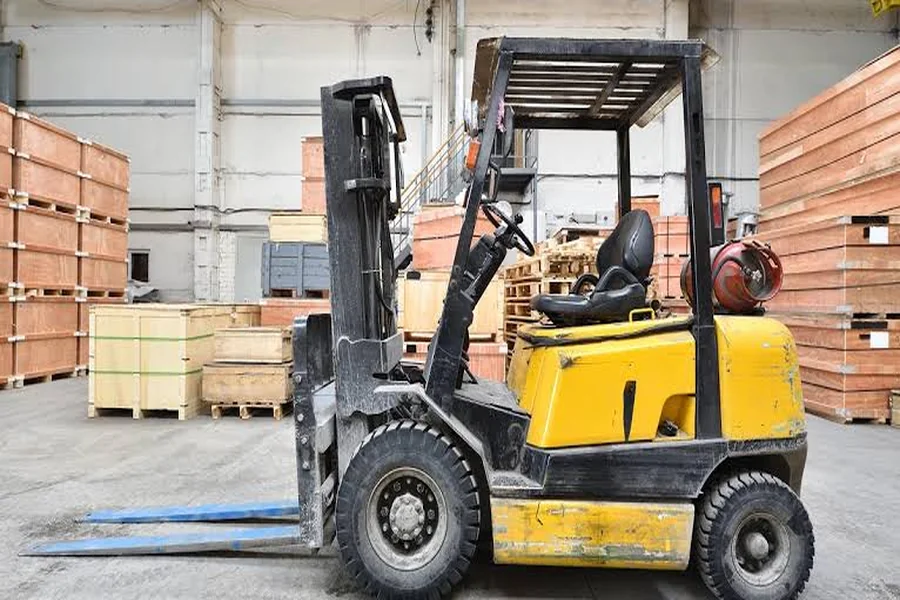
Walk the floor of any major distribution center or manufacturing plant. You will see massive machines moving heavy pallets, dodging pedestrian traffic, and burning expensive fuel or battery charge.
But look closer. You will also see bottlenecks. You will see drivers waiting for clearance or taking long detours around temporary hazards.
Small delays happen every day. Over time, they can add to operating costs. Facility managers often throw more equipment at the problem. They lease extra trucks to handle perceived shortages, inflating the fleet size and draining capital.
The solution is not buying more hardware. The solution is knowing exactly what your current hardware is doing. Implementing proper Forklift Tracking exposes the invisible waste happening right under your nose. It strips away the guesswork and replaces it with hard, actionable data about your floor operations.
Cost of Operating in the Dark without Location Intelligence
You cannot optimize what you cannot see. When operations directors rely on clipboards or generic daily logs, they miss the reality of the warehouse floor. Trucks get parked in the wrong zones. Battery life drains away during excessive idle periods while drivers are elsewhere.
These blind spots directly impact your labor budget. If workers spend time searching for trucks or dealing with crowded aisles, daily tasks take longer to complete.
The Ghost Fleet Problem
Hoarding is a very real issue on large industrial floors. Operators find a truck that runs well and stash it away for their next shift. They hide it behind dead inventory or park it in restricted zones. This forces other workers to waste valuable time hunting for available equipment.
When you monitor the exact location and status of every vehicle, hoarding stops immediately. You gain complete visibility over actual utilization rates. If a truck sits idle for three hours in a forgotten aisle, the system flags it. Operations can then right-size the fleet, returning unnecessary leased vehicles and saving thousands of dollars every month.
Cutting Fuel and Maintenance Expenses with Route Optimization
Moving pallets is only half the battle. Keeping the machines running is where the real money is spent. Preventative maintenance schedules are usually based on crude calendar estimates, not actual usage hours. This means you are either over-servicing your equipment or running it to the point of failure.
Routing Out Inefficiency with Live Forklift Data and Monitoring
Poorly routed trucks travel further than necessary. They cross the same sections of the floor repeatedly, burning unnecessary energy and risking collisions. Location intelligence maps out these exact travel paths. Managers can see how trucks move around the warehouse.
The data can show where extra travel is happening. Trucks that travel shorter distances are used less throughout the day. This can affect how often tires, brakes, and batteries are used. Maintenance teams can also track equipment usage when planning service checks.
Identifying Forklift Damage During Daily Operations
Minor collisions can happen during daily warehouse operations. A truck may come into contact with a rack or a pallet may be damaged during handling. Racks, pallets, and equipment can be involved in these incidents, and not all of these situations are noticed straight away.
Connecting a Real-Time Location System to telemetry sensors makes accountability absolute. Managers know exactly who was driving which truck and where they were when an impact occurred. Each truck generates movement data during normal operations. Over time, these records build a history of activity across the facility, allowing teams to review this information when looking into specific events or areas of concern.
Moving Beyond Basic Dots on a Map to Real-Time Predictive Data
Basic location tracking is useless without operational context. Facility leaders suffer from severe dashboard fatigue when systems throw raw coordinates at them without generating real business insights. You need the digital infrastructure to connect that location data directly to your financial bottom line.
Location data can show how different areas of the facility are used throughout the day. Some intersections may experience more traffic than others, while certain shifts may show different patterns of truck activity. The records can be checked whenever needed. Different facilities may use different systems and processes. For this reason, location tracking software is often used alongside existing warehouse tools. The setup can vary depending on how a facility operates and what information needs to be recorded.
RTLS Digital Twin: Engineer Your Floor for Profitability
LocaXion is the world’s first pure-play RTLS & Digital Twin systems integrator. We engineer systems for your business outcomes-not just “tracking.”
That means less risk, less integration of guesswork, and faster time-to-value. And because we’re not locked to one technology stack, you get the freedom to scale with the right technology – not the technology we happen to sell.
RTLS tracks your assets. LocaXion transforms how your operation runs.
That’s the difference. And it’s not a small one.
Stop bleeding margins on idle equipment and engineer your outcomes today
