


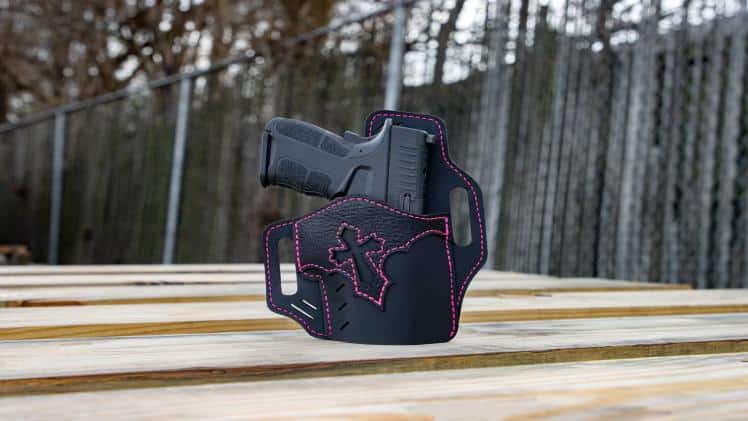
Understanding Concealed Carry Weapon (CCW) laws is essential for anyone who carries a firearm for personal protection. These laws are designed to regulate who can carry a concealed weapon, where it can be carried, and under what circumstances. However, CCW laws can be complicated and vary significantly from one state to another. What is legal in one state may be illegal in another, and even within a state, there can be differences in local regulations. This complexity makes it crucial for CCW holders to be fully aware of the laws that apply to them.
Navigating these laws on your own can be challenging, especially when the consequences of making a mistake are so serious. Misunderstanding or inadvertently violating CCW laws can lead to severe penalties, including fines, loss of your CCW permit, or even criminal charges. In such situations, knowing when to seek legal guidance is vital. A lawyer with experience in CCW laws can help you understand your rights and responsibilities and provide the support you need to stay within the bounds of the law.
Let’s discuss more on this below:
Insurance for Legal Protection
Carrying a concealed weapon comes with significant responsibility, and part of that responsibility is being prepared for any legal challenges that may arise. CCW insurance is designed to provide legal protection to gun owners in the event they are involved in a self-defense incident or face legal action related to their firearm. This type of insurance typically covers legal fees, court costs, and even the cost of hiring a lawyer if you’re charged with a crime or sued in civil court after using your weapon in self-defense.
Legal battles can be expensive, and without insurance, the cost of a defense attorney alone could be overwhelming. CCW insurance can help alleviate this burden so you can focus on your defense rather than worrying about how to pay for it. For those who carry a concealed weapon regularly, this insurance is an important tool for protecting your legal rights and financial well-being.
Complex State and Local CCW Laws
One of the most challenging aspects of CCW laws is their variability across different states and localities. Each state has its specific set of laws governing who can carry a concealed weapon, where it can be carried, and what the process is for obtaining a permit. Some states have “shall issue” laws, meaning they must issue a permit to anyone who meets the basic requirements. Others have “may issue” laws, where local authorities have more discretion in deciding who gets a permit. Additionally, some states recognize permits from other states, while others do not, adding another layer of complexity for those who travel with their firearm.
Local regulations can further complicate matters. In some states, cities and counties have the authority to impose additional restrictions on where and how a firearm can be carried. It means that what is legal in one part of the state may not be legal in another. For example, a city may prohibit carrying a concealed weapon in certain public places, even if the state does not. A lawyer can help you understand the specific laws that apply to you so you can remain in compliance with all applicable regulations.
When to Seek Legal Guidance
Given the complexity of CCW laws, there are times when seeking legal guidance is necessary. If you are applying for a CCW permit, especially in a state with “may issue” laws, consulting with a lawyer can help you understand the application process and increase your chances of approval. A lawyer can assist you in understanding the criteria used by local authorities and help you prepare a strong application. Additionally, if you are involved in a self-defense incident, having legal representation from the outset is crucial to protecting your rights and building a solid defense.
Legal guidance is also important if you face charges for violating CCW laws or if your permit is revoked. A lawyer with experience in CCW cases can help you challenge the charges or the revocation of your permit and work to protect your rights. In some cases, they may be able to negotiate a plea deal or represent you in court to fight the charges.
Consequences of Violating CCW Laws
Violating CCW laws can have serious and far-reaching consequences. Depending on the nature of the violation, penalties can range from fines to imprisonment and, in some cases, the loss of your right to carry or even own firearms. For example, carrying a concealed weapon in a prohibited area, such as a school or government building, can result in severe legal repercussions. Even if the violation was unintentional, the legal system often treats these cases with a high level of seriousness, given the potential risks involved.
The impact of a CCW violation can also affect your personal and professional life. A conviction can lead to job loss, difficulty in finding future employment, and damage to your reputation. Moreover, a violation might result in the permanent revocation of your CCW permit, making it illegal for you to carry a concealed weapon in the future. In such cases, having a lawyer who specializes in CCW laws can be crucial. They can help mitigate the penalties and work to protect your rights throughout the legal process.
Staying Informed and Updated on CCW Laws
CCW laws are not static; they can change frequently due to new legislation, court rulings, or shifts in public policy. Staying informed about these changes is essential for anyone who holds a CCW permit. What was legal last year may not be legal this year. Hence, failing to stay updated can lead to unintentional violations. For instance, a change in state law might affect where you can legally carry your weapon or alter the process for renewing your permit.
One way to stay informed is to regularly consult with a lawyer who is well-versed in CCW laws. They can provide updates on any changes that may affect you and advise on how to comply with new regulations.
Benefits of Lawyer’s Guidance
Having a lawyer’s guidance is invaluable both before and after a self-defense incident involving your concealed weapon. Before an incident occurs, a lawyer can help you understand the legal boundaries of self-defense in your state. This includes knowing when the use of deadly force is justified and what actions are considered lawful.
If you do find yourself involved in a self-defense incident, having immediate access to legal representation is critical. A lawyer can help you navigate the aftermath, advising you on how to communicate with law enforcement and ensuring that your rights are protected throughout the legal process. They can also assist in preparing a defense if you are charged with a crime related to the incident.
The complexity of CCW laws, combined with the serious consequences of violating them, makes it essential to stay informed and seek professional advice when necessary. Being proactive about your legal rights and responsibilities is the best way to protect yourself and others, so your decision to carry a concealed weapon is both safe and lawful.
