


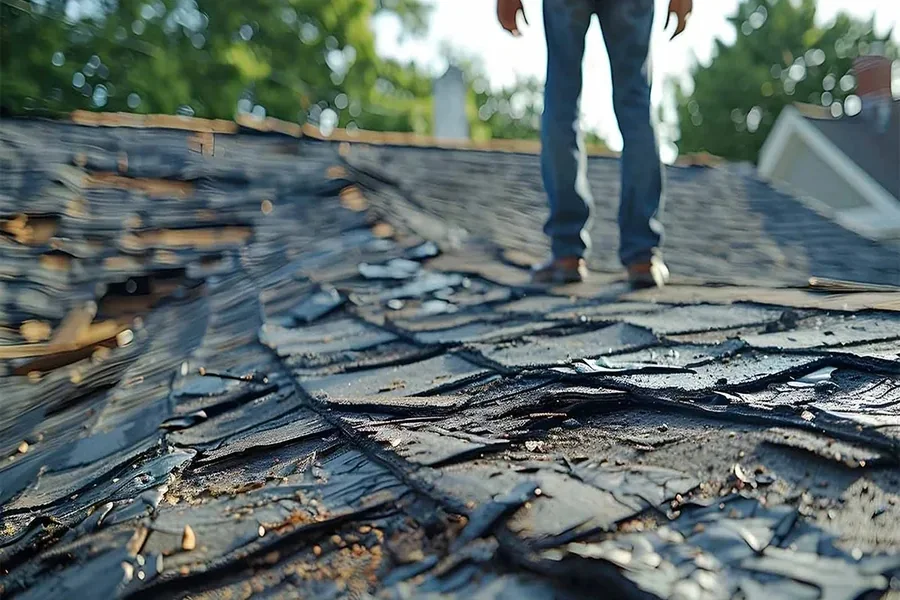
Storm seasons in Houston can place tremendous stress on residential roofing systems through strong winds, heavy rain, hail, and repeated weather exposure. A roof that already shows visible wear may struggle to protect a home when severe conditions arrive. Early recognition of warning signs allows homeowners to address problems before extensive damage develops.
A careful roof inspection can reveal conditions that indicate the best time to replace a roof in Houston instead of waiting for another major storm. Small concerns rarely remain isolated after repeated exposure to severe weather, especially when moisture reaches vulnerable roofing components. Timely action helps reduce the chance of structural damage, interior leaks, and costly repairs.
Shingles Show Visible Signs of Wear
Damaged shingles reduce a roof’s ability to resist wind-driven rain and flying debris. Cracked edges, curling corners, missing sections, and noticeable granule loss all indicate that protective layers have weakened over time. These conditions allow water to reach underlying materials during intense storms.
Loose Or Missing Shingles
Even a few missing shingles can expose vulnerable sections of the roof deck. Strong winds may lift surrounding shingles and expand the damaged area during the next storm. Quick identification helps prevent moisture from spreading beneath the roofing system.
Water Damage Appears Inside The Home
Interior moisture usually signals that water has already moved beyond the roof surface. Brown ceiling stains, damp attic insulation, peeling paint, or mold growth deserve immediate attention because hidden leaks rarely improve without repairs. Delayed action allows moisture to affect wood decking and supporting structural components.
Watch for these warning signs:
- Water stains on ceilings or walls
- Damp insulation inside the attic
- Mold or mildew near roof framing
- Persistent musty odors after rainfall
Flashing And Roof Components Show Deterioration
Metal flashing protects vulnerable roof transitions around vents, chimneys, skylights, and valleys. Rust, separation, bent edges, or cracked sealant create easy entry points for rainwater during heavy storms. A complete inspection should include these critical areas because failures commonly begin around roof penetrations.
Sagging Roof Areas Need Immediate Attention
A roof surface should appear even and structurally sound from every angle. Sagging sections may indicate trapped moisture, weakened decking, or structural deterioration beneath the roofing material. These conditions require prompt professional evaluation before another severe weather event arrives.
Storm Damage Keeps Returning
Repeated repairs after each storm may indicate that the roofing system has reached the end of its dependable service life. Texas recorded 16 billion-dollar tropical cyclone disasters between 1980 and 2024, showing the serious weather exposure properties in Houston can face. Recurring shingle loss, damaged flashing, or weakened roof decking calls for a professional evaluation before another storm season arrives.
The best time to replace a roof in Houston usually becomes clear when recurring storm damage, aging materials, and multiple warning signs appear together. Planning a replacement before storm season provides better scheduling opportunities and allows installation under safer weather conditions. A strong, properly installed roof offers dependable protection when severe storms return.
Signs It Is Time to Request a Professional Roof Evaluation in Houston
A professional roof evaluation becomes necessary when visible damage, recurring leaks, loose shingles, or sagging areas begin to appear. Experienced roofing professionals can identify hidden structural concerns, assess storm-related damage, and recommend practical solutions based on the roof’s actual condition. An accurate evaluation supports informed decisions before severe weather creates more extensive repairs.
Storm seasons place repeated stress on aging roofing systems, making timely action an important part of long-term home protection. Addressing roofing concerns before the next major storm helps preserve structural integrity and reduces the risk of preventable water intrusion. A well-maintained roof provides dependable performance and greater confidence throughout the storm season here.
