


Small woodworking businesses are under more pressure than ever to deliver polished, custom, repeatable work without letting labour costs, production delays, or material waste eat into profit. When every order has to look professional and arrive on time, growth becomes harder if your shop still depends on slow manual processes for every cut, groove, sign, panel, or decorative detail.
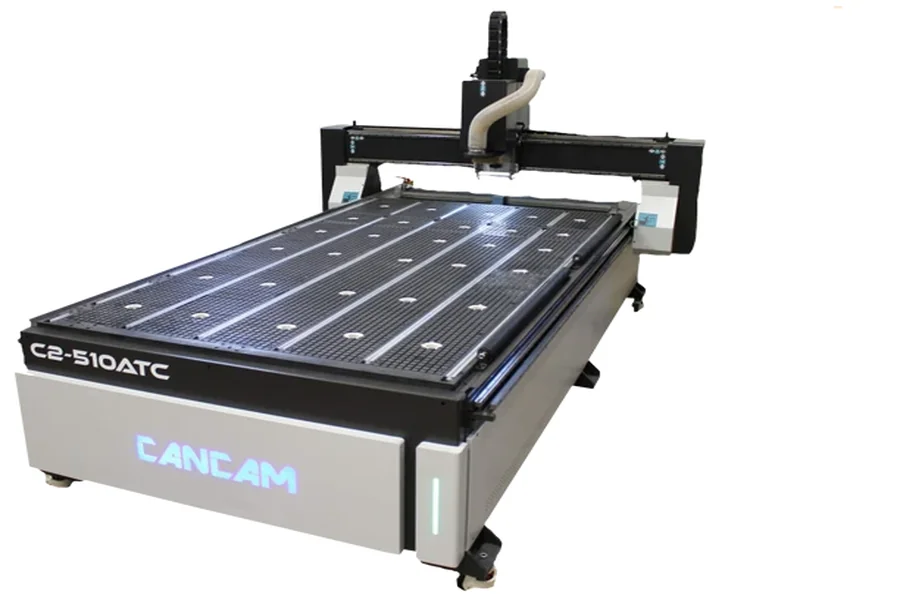
A wood carving machine powered by CNC router technology can help businesses move from hand-limited production to precise, scalable manufacturing. For shops that work with cabinets, furniture, signage, millwork, décor, displays, or architectural wood products, CNC routers make it easier to produce complex shapes, repeat designs accurately, and take on higher-value projects without needing to rebuild the entire workflow.
Faster Production Without Lowering Quality
Speed matters, but only when the finished product still meets customer expectations. CNC routers allow you to cut, carve, engrave, drill, and shape wood with programmed precision. Once a design file is prepared, the machine can repeat the same process consistently across one piece or hundreds of pieces.
That consistency is especially valuable for businesses that handle recurring orders. Cabinet doors, furniture parts, decorative panels, templates, and branded displays can be produced with fewer manual adjustments between jobs. This helps reduce bottlenecks and gives your team more time for finishing, assembly, customer service, and sales.
More Custom Work at a Profitable Pace
Custom work often brings better margins, but it can also slow a shop down if every request needs hours of manual layout and carving. CNC routing changes that equation. A business can offer personalized signs, carved logos, unique furniture accents, textured wall panels, and specialty components without treating every order like a one-off project.
This opens the door to more premium services. Instead of competing only on price, you can compete on design capability, speed, and finish quality. Customers increasingly want products that feel tailored to their space or brand, and CNC routers help businesses meet that demand in a controlled, repeatable way.
Less Waste and Fewer Costly Mistakes
Wood is expensive, and mistakes become even more costly when working with hardwoods, specialty panels, or large-format sheets. CNC routers help reduce waste by following exact digital toolpaths and making more efficient use of material.
You also benefit from better nesting, which means arranging parts strategically on a sheet to minimize offcuts. Over time, these savings can be significant. Fewer bad cuts, fewer rejected pieces, and more predictable material use all contribute to healthier margins.
Easier Scaling for Growing Demand
Hiring skilled labour in woodworking has become, and will continue to be, a massive challenge, especially when the work requires advanced carving, routing, or shaping ability. CNC routers don’t replace craftsmanship, but they do make skilled teams more productive. Experienced workers can focus on programming, design refinement, finishing, and quality control while the machine handles repetitive cutting and carving tasks.
This makes growth easier to manage. You can increase output, accept larger contracts, or add new product lines without relying entirely on more manual labour.
Better Design Flexibility
CNC routers give shops room to test, adjust, and improve designs quickly. Digital files can be modified before production, allowing for faster prototyping and smoother collaboration with customers. This is useful for custom furniture makers, commercial display manufacturers, sign shops, interior designers, and builders who need both creativity and accuracy.
Turning Capability Into Growth
The real advantage of CNC routing is the ability to say yes to better opportunities. When your business can produce detailed, repeatable, professional woodwork with greater speed and confidence, you can pursue projects that may have once felt too complex or labour-intensive. Explore CNC router options, evaluate your production goals, and choose equipment that helps your business turn skill, design, and efficiency into long-term revenue.
