


Table of Contents
- Visual Hierarchy: Directing User Attention
- Color Psychology: Evoking Emotions and Actions
- Typography: Enhancing Readability and Comprehension
- Layout and Navigation: Simplifying User Journeys
- Responsive Design: Ensuring Accessibility Across Devices
- Loading Speed: Retaining User Interest
- Interactive Elements: Encouraging User Engagement
- Conclusion
Modern web design plays a critical role in how users perceive and interact with online platforms. Design is no longer just about making a website look appealing, but about influencing user actions, engagement, and satisfaction. From intuitive navigation to carefully chosen color schemes, every aspect of a website helps guide visitors in subtle ways that affect conversions. If you are looking for guidance or examples of this in action, the regional leader in web design Lancaster PA emphasizes how thorough design impacts every step of a user’s journey. Businesses compete fiercely for user attention, making it all the more essential for websites not only to attract but also to retain users. The most successful sites are designed with user psychology in mind, providing experiences that feel effortless and engaging. In today’s increasingly digital world, understanding these design strategies is crucial for creating high-performing websites that foster trust, loyalty, and action.
Visual Hierarchy: Directing User Attention
The order in which users notice content on a website is rarely accidental. Visual hierarchy directs visitors’ eyes through a page by prioritizing important elements. Designers achieve this by adjusting size, boldness, color contrast, and spatial arrangement. For example, a bold headline surrounded by negative space draws immediate attention. Call-to-action buttons often use bright, contrasting colors or unique shapes to stand out from the rest of the page. These strategies help focus users on what matters most, making it more likely they will take desired actions.
Color Psychology: Evoking Emotions and Actions
Colors can evoke specific emotions and drive behaviors, making them powerful tools in web design. Blues tend to convey trust and professionalism, while oranges and reds are often used to capture urgency or excitement. Brands carefully consider these associations when selecting their website palettes to shape perceptions and guide behavior. According to research covered by Forbes, color and design influence first impressions and decision-making more than you might think.
Typography: Enhancing Readability and Comprehension
Typography remains a cornerstone of good web design. The use of clear, legible fonts improves how users absorb information and navigate content. Optimal font sizes, line spacing, and uniformity across headings and body text help reduce visual clutter, leading to better comprehension and decreased cognitive load. Readability directly affects how long users stay on a page and whether they finish reading or continue engaging.
Layout and Navigation: Simplifying User Journeys
Simple layouts and intuitive navigation are essential ingredients for creating frictionless user experiences. A grid-based approach, generous spacing, and logical placement of navigation menus let users find their way easily. Predictable structures speed up task completion, especially on sites with complex or multiple user flows. The best navigation systems make it effortless for users to move between sections without confusion or hesitation.
Responsive Design: Ensuring Accessibility Across Devices
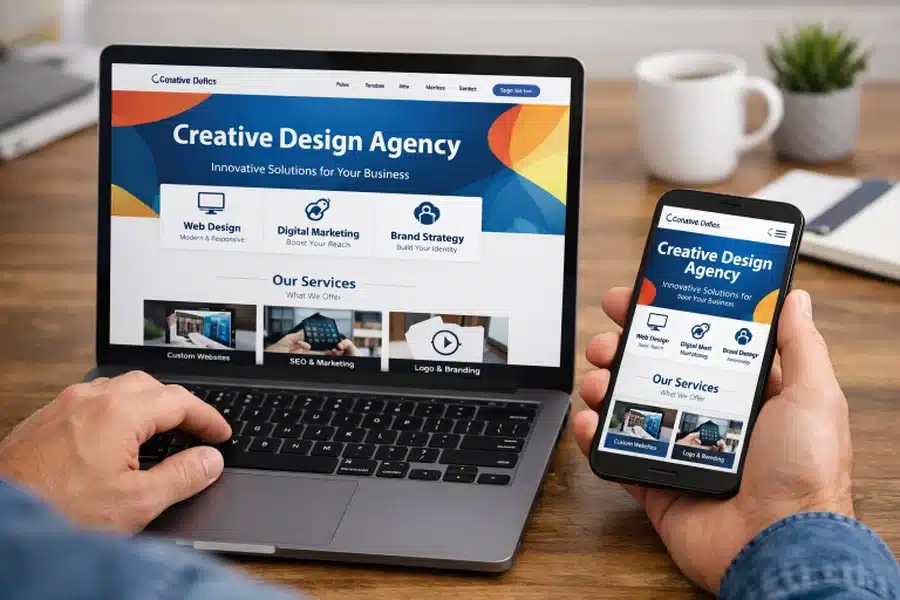
The number of devices people use to access the web continues to grow, from smartphones to large desktop monitors. Responsive design adapts websites so they look and function perfectly on any screen size, ensuring no user misses out on important content or features. This adaptability is key to reaching broader audiences and providing a smooth, unified experience for everyone.
Loading Speed: Retaining User Interest
Website loading times strongly affect user behavior. Studies have shown that users abandon pages that take longer than 3 seconds to load. Fast-loading sites reduce bounce rates and keep visitors engaged, improving the likelihood of conversions or goal completion. Techniques such as image compression, reduced server requests, and efficient coding all contribute to improved loading speed. For advice on speeding up your site, refer to Google’s own page speed guidelines.
Interactive Elements: Encouraging User Engagement
Interactive features create deeper engagement and make websites memorable. Subtle effects like hover states, clickable cards, animations, and progress indicators guide users through tasks and provide immediate feedback. Micro-interactions, such as a button changing color on click, foster a sense of responsiveness and delight. It’s important, though, to use these elements mindfully so they don’t detract from the site’s core purpose or overwhelm users.
You can explore more ideas and design inspiration here: Voomixi Com
Conclusion
The modern web is about merging aesthetic appeal with user-focused design strategies that prompt desirable actions and positive experiences. By incorporating visual hierarchy, thoughtful color choices, easy-to-read typography, streamlined navigation, responsive layouts, quick load times, and meaningful interactivity, designers create digital environments that both delight users and deliver results for businesses. In a digital-first era, these elements are more vital than ever in shaping user behavior for the better.
