


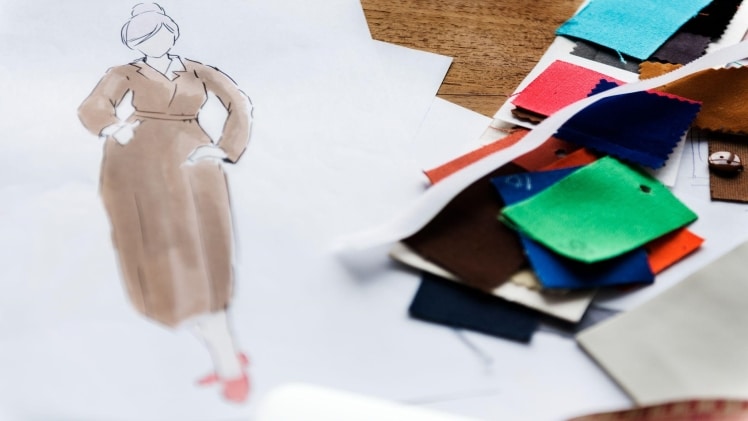
The fashion industry has come a long way, with many elements influencing its growth and evolution. For instance, fashion trends in Nigeria have been shaped by local and global influences over time. You can explore more about this evolution in Nigeria. Hats, furs, and other iconic styles have become part of mainstream fashion due to various cultural factors.
However, sustainable fashion was spurred by factors like environmental concerns, the pressing reality of climate change, and increased consumer awareness. As such, the growth of sustainable fashion is beyond a niche; it is becoming a main driving force in the industry.
The Key Elements
The fashion industry, long criticized for its environmental and ethical shortcomings, is transforming towards sustainability. As brands and designers embrace sustainable practices, the impact on the industry is profound, reshaping everything from supply chains to marketing strategies. Below are some key drivers of sustainable fashion, giving you an in-depth insight into what it really is.
Waste Reduction
Overproduction and excessive waste have plagued the fashion industry for a long time. From the production process to marketing, several fashion items end up in landfills annually.
Thankfully, sustainable fashion is curbing this, one aspect at a time. Starting from production, this movement prioritizes making durable, long-lasting pieces that last longer and minimize waste. Also, sustainable sales and marketing have given birth to resale and fashion item rental initiatives, which reduce the need to get new items for every need. It focuses more on recycling, upcycling, and revamping technologies.
Use of Eco-Friendly Materials
The production of materials is a major aspect of the fashion industry. Fortunately, sustainable fashion pioneers understand this thoroughly and aim for that first. The table below details some of the sustainable materials used for sustainable fashion, their impacts, and what makes them sustainable.
| Sustainable Fashion Materials | How They Are Derived | Environmental Benefits |
| Organic cotton | Cultivated without synthetic pesticides or fertilizers, reducing environmental impact and promoting soil health | Water conservation, biodiversity preservation |
| Recycled polyester | Derived from post-consumer plastic bottles, diverting waste from landfills and reducing the demand for virgin resources | Waste reduction, resource conservation |
| Hemp Ffabrics | Requires fewer inputs and less water to cultivate than conventional crops, making it a sustainable alternative for textiles | Sustainable cultivation reduces the environmental impact |
| Tencel | Made from sustainably sourced wood pulp using a closed-loop production process, minimizing waste and environmental impact | Renewable resources, biodegradable, reduced water usage |
One supplier we would like to shout out is Richardson Hats, which offers multiple eco-friendly hats. With eco-friendly rubber patches, you can easily add patches to Richardson Hats by The Monterey Company.
Ethical Production Practices
Sustainable fashion stakeholders prioritize fair production practices that reduce environmental impact and ensure safe working conditions. This has made ethical production practices a huge step toward overall wellness.
Impact on the Fashion Industry
Sustainable fashion has come to stay. Its popularity and wide adoption are not accidental. The fashion world and the general public have seen its huge impact over time, encouraging its wider adoption. Below are some of the influences of sustainable fashion’s growth as they will serve as the bedrock for further development in the industry:
Economic Implications
While sustainable fashion can involve higher upfront costs, it offers long-term economic benefits. The industry, currently estimated to be worth $8.16 bn, has recorded dynamic economic growth. Brands that invest in sustainable practices often see increased customer loyalty and can command higher price points for their products.
Additionally, reducing waste and improving efficiency can lead to cost savings over time. Investors are also showing interest in companies with strong environmental, social, and governance (ESG) credentials, further incentivizing sustainable practices.
Supply Chain Transformations
Sustainable fashion has greatly revolutionized the fashion industry’s supply chain. From sourcing materials to production, distribution, and retailing, every aspect has been reevaluated using the traditional method.
Brands now use locally sourced materials and employ local labour to reduce the production chain’s impact. This approach not only boosts local economies but also enhances supply chain oversight. Moreover, advancements in technology have empowered brands to achieve more effective supply chain monitoring.
Regulatory and Policy Changes
As the sustainable fashion sector becomes increasingly popular, government and regulatory bodies have stepped in to make and enact laws related to it. From regulations banning harsh chemicals to incentives promoting accountability in production, government laws have helped encourage the growth of sustainable fashion.
Increased Industry Adoption
Recognizing its impact on the environment and a shift in consumer preferences, many brands are integrating sustainability into the core of their fashion businesses. As a result, sustainable fashion is fast shifting from a niche to being part of the threads that weave the very essence of the fashion industry.
Challenges for Sustainable Fashion
Despite significant progress, the transition to sustainable fashion faces challenges. These include the higher cost of sustainable materials, the complexity of overhauling supply chains, and the need for widespread consumer education. However, the momentum toward sustainability is strong, and ongoing innovation, regulatory support, and consumer demand will likely drive further advancements.
Conclusion
Sustainable fashion originates from the drive for a better environment and healthier lifestyle. Fortunately, it has grown tremendously despite the challenges it faced at its early stage. In an industry rife with wastage, questionable production processes, and unfair labour, sustainable fashion is the cloth helping to wipe the plate clean.
As brands and consumers continue to prioritize sustainability, the fashion industry is evolving towards a more responsible and ethical future. This transformation addresses pressing environmental and social issues and opens up new opportunities for innovation, growth, and consumer engagement.
