


Living in an area where strong winds are a constant challenge can be a real hassle, especially when it comes to outdoor lighting. Securing smart lighting in these windy zones is crucial for safety and functionality. Without proper precautions, your expensive smart lights could easily become damaged or even dangerous during harsh weather.
Choosing the right fixtures is the first step in creating a wind-resistant lighting setup. Look for strong materials and aerodynamic designs. Proper installation techniques, including secure mounting and reinforced connections, are equally important for keeping your lights safe and functional.
Moreover, in wind-prone areas, protecting smart components, performing regular maintenance, and having an emergency plan are essential. These steps ensure your lighting system stays safe and effective. If you want to learn more about securing your smart lighting in detail, let’s discuss each of these important aspects.
Choosing the Right Fixtures
The first step in creating a wind-resistant lighting setup is selecting appropriate fixtures. Look for lights specifically designed to withstand harsh weather conditions. Features to consider include:
- Durable materials: Choose fixtures made from durable materials like stainless steel or heavy-duty plastics.
- Aerodynamic shapes: Pick those designs that allow wind to flow around them easily.
- Weather-resistant ratings: Check for IP (Ingress Protection) ratings that indicate resistance to water and dust.
Proper Installation Techniques
Once you’ve chosen the right material, proper installation is crucial. Wind-resistant lighting installation techniques can significantly improve the longevity and safety of your smart lighting system. Here are some key points to keep in mind:
- Secure mounting: Use solid brackets and bolts to attach fixtures firmly to walls, posts, or the ground.
- Reinforced connections: Ensure all electrical connections are weatherproofed and tightly sealed.
- Strategic placement: Position lights in areas with natural wind protection, such as near walls or under eaves.
Protecting the Smart Components
Intelligent lighting systems often include sensitive electronic components that require extra protection. Consider these steps:
- Weatherproof housings: Use sealed enclosures to protect control modules and sensors.
- Surge protection: Install surge protectors to guard against power fluctuations caused by stormy weather.
- Backup power: Consider a battery backup system to keep your lights functioning during power outages.
Regular Maintenance and Inspections
To ensure your smart lighting continues to perform well in windy conditions, regular maintenance is essential:
- Check for loose parts: Regularly inspect fixtures for any loose screws, brackets, or wires.
- Clean the fixtures: Remove dirt and debris that could affect performance or become projectiles in high winds.
- Update software: Keep your innovative lighting system’s software up-to-date for optimal performance and security.
Embracing Smart Features for Added Safety
Modern innovative lighting systems offer features that can enhance safety during windy conditions:
- Wind speed sensors: Some systems can integrate with wind speed sensors to automatically adjust lighting or trigger safety modes during high winds.
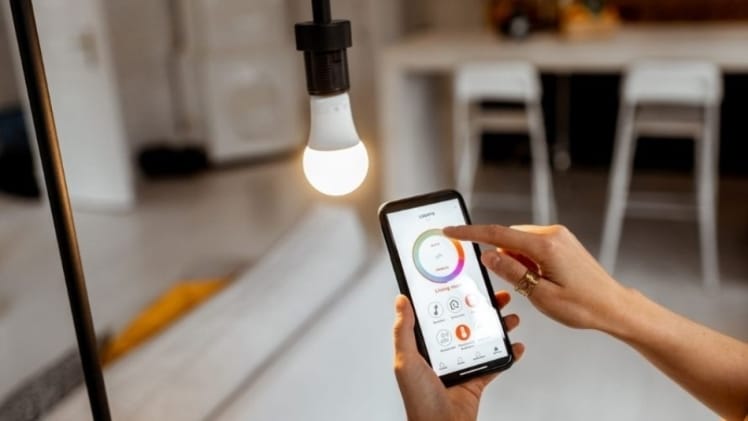
- Remote control: Use smartphone apps to control your lights remotely, allowing you to turn them off quickly if severe weather is approaching.
- Automated schedules: Set your lights to turn on and off at specific times, ensuring illumination even if you can’t manually control them during a storm.
Coordinating with Landscaping
Your landscaping can play a significant role in protecting your bright lighting:
- Wind breaks Plant trees or install fences strategically to create windbreaks around your property.
- Avoid potential hazards: Trim trees and remove loose objects that could damage your lighting during high winds.
- Underground wiring: Consider burying electrical lines to protect them from wind-blown debris.
Emergency Preparedness
Despite your best efforts, extreme weather can still cause risks. Develop an emergency plan:
- Quick disconnection: Know how to quickly and safely disconnect your lighting system if necessary.
- Backup lighting: Have alternative, battery-powered lighting options available for emergencies.
- Professional inspection: After severe weather, have a professional inspect your system for any damage.
Considering Professional Help
While many homeowners can handle basic smart lighting installation, areas prone to high winds may benefit from expert assistance. Safety-focused lighting installation services can provide specialized knowledge and techniques to ensure your system is as secure as possible. Professional installers can:
- Assess your specific location and needs
- Recommend the most suitable fixtures and placement
- Ensure all installations meet local building codes and safety standards
- Provide ongoing maintenance and support
Balancing Aesthetics and Security
Securing your bright lighting doesn’t mean sacrificing style. Many wind-resistant fixtures come in attractive designs that can enhance your home’s appearance. Look for options that:
- Complement your home’s architecture
- Provide the right level of illumination for your needs
- Offer customizable features like color-changing abilities or dimming options
Educating Your Community
If you live in an area prone to high winds, consider sharing your knowledge with neighbors and community members. Organizing workshops or sharing information about secure smart lighting can help create a safer environment for everyone.
Conclusion
Securing smart lighting in areas prone to high winds requires careful planning, proper installation, and ongoing maintenance. By choosing the right fixtures, using wind-resistant installation techniques, and taking advantage of smart features, you can create a lighting system that’s both beautiful and flexible. Remember, while DIY installation is possible, professional help can provide extra security and peace of mind. With these strategies in place, you can enjoy the benefits of smart lighting without worrying about the next big gust of wind.
