


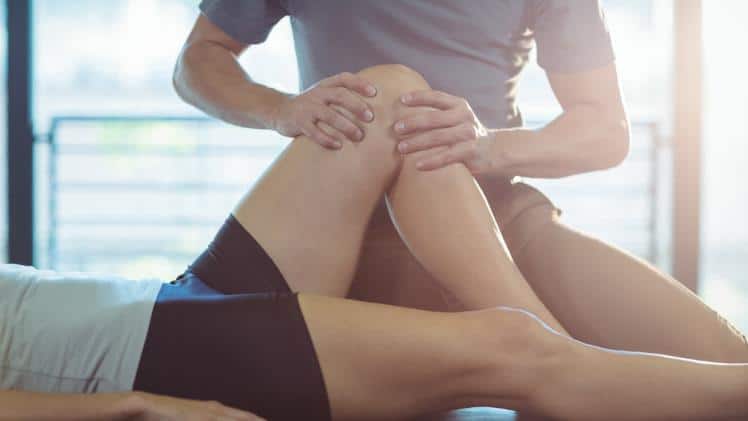
For many people, pain management is a significant worry, whether as a result of injuries, chronic diseases, or life’s daily stresses. Massage 부산출장안마 therapy has been more well-known in recent years as a successful strategy for healing and pain management since it offers several advantages over conventional therapies. This essay examines the many ways in which massage treatment may be a priceless aid in reducing discomfort, encouraging recovery, and improving general well-being.
Recognizing Pain and Its Effects
A complicated feeling, pain can be either acute or persistent. Acute pain usually results from a surgical procedure or an injury, whereas chronic pain lasts for several months or even years and frequently has no apparent reason. Whatever form it takes, pain can have a significant impact on both mental and physical health, affecting everything from sleep and movement to mood and overall quality of life.
Massage Therapy’s Function
In massage treatment, soft tissue and muscular manipulation are used to increase circulation, ease pain, and encourage relaxation. It includes a range of methods, such as trigger point treatment, deep tissue, Swedish, and myofascial release, each intended to address a particular aspect of pain and healing.
How Pain is Alleviated by Massage Therapy
- Lessening Tension in Muscles: Muscle tension is one of the benefits of massage therapy, and it manifests itself most quickly. Since they put more strain on joints and other systems, tense muscles can exacerbate discomfort. Massage facilitates the release of tension, leading to increased range of motion and flexibility. Deep tissue massage and other similar techniques target more profound levels of muscle to relieve chronic pain and tightness.
- Increasing Blood Flow: Blood circulation is improved with massage therapy, which is essential for healing. Enhanced blood circulation provides tissues with oxygen and nutrients, facilitating healing and eliminating waste materials from the body that may exacerbate pain and inflammation. Reduced discomfort and quicker injury healing are two benefits of improved circulation.
- Turning on the Body’s Pain Reduction Systems: The body naturally produces endorphins, which are painkillers, when massage treatment is applied. These neurotransmitters promote emotions of pleasure and pain relief, which encourages relaxation and overall well-being. Those who suffer from chronic pain disorders may find particular benefits from this chemical reaction.
- Reducing Tension and Nervousness: Anxiety and worry are frequently present with chronic pain, which can make things worse. The relaxing atmosphere that massage treatment offers helps people relax and lowers their levels of the stress hormone cortisol. A positive feedback loop for healing may result from this drop in stress since it may also cause a reduction in pain and tension in the muscles.
The Advantages of Massage Therapy for Recovering
- Improving Rehabilitation Following Injury: Massage therapy can be pretty crucial for those recuperating from injuries during their rehabilitation. Massage promotes a quicker and more efficient recovery by increasing circulation and lowering muscle tension. In order to assist in recovery mobility and function, therapists can also target affected areas with particular techniques.
- Assisting in the Management of Chronic Pain: As an efficient component of an all-encompassing pain treatment strategy, regular massage therapy can benefit those with chronic pain problems, including fibromyalgia, arthritis, or lower back pain. Massage can assist people in better managing their symptoms and improving their quality of life by relieving muscle tension, improving circulation, and encouraging relaxation. Targeted massage can also address specific areas of discomfort such as a knot in lower back, helping to alleviate localized pain and tension.
- Avoiding Further Injuries: Before they cause an injury, possible problem areas can be found and addressed using massage therapy. Frequent sessions can lower the likelihood of strains and sprains by fostering general body awareness and assisting people in maintaining good alignment. Massage therapy promotes improved movement patterns, which supports long-term physical health.
Selecting the Appropriate Massage Style for Pain Relief
The most effective method for managing pain varies depending on the needs and preferences of the individual. Not all massage techniques are made equal. The following popular massage techniques are helpful for both pain management and healing:
- Swedish Tissue: The lengthy, flowing strokes used in this method help to increase circulation and induce calm. It’s a terrific option for people with mild to moderate pain because it’s great for lowering overall tension and stress.
- Massage with Deep Tissue: Deep tissue massage is beneficial for treating injuries and chronic pain disorders because it targets the deeper layers of muscle and fascia. In order to facilitate healing, this approach applies more significant pressure to relieve adhesions and tension.
- The use of trigger points: This technique applies focused pressure to target particular muscle knots and tight spots in order to reduce discomfort and enhance function. This is especially advantageous for people who have localized discomfort or stress.
- Myofascial Release: Myofascial release is a valuable technique for reducing limitations and increasing range of motion because it works on the fascia, the connective tissue that surrounds muscles. People with chronic pain disorders or those recuperating from injuries may find this therapy especially helpful.
Including Massage Therapy in Your Pain Reduction Strategy
Take into account the following actions to optimize the advantages of massage therapy for both pain relief and healing:
- Speak with a Medical Professional: See your doctor before beginning massage treatment to go over your particular pain problems and find out if massage is a good fit for your condition. Using a coordinated strategy with your medical team can improve your overall healing process.
- Express your Needs: Be honest with your massage therapist about your pain threshold, health history, and any particular problem areas. With this information, the therapist can better customize the session to meet your specific needs and guarantee a secure and efficient course of therapy.
- Arrange Frequently Occurring Sessions: To get the most out of massage therapy, consistency is essential. Consider scheduling sessions on a weekly, biweekly, or monthly basis, depending on your condition. Frequent care can help sustain improvement and stop discomfort from returning.
- Incorporate with Additional Therapeutic Approaches: The best results from massage therapy can come from a combination with other medical procedures like physical therapy, acupuncture, or chiropractic adjustments. A multifaceted strategy can address pain from several perspectives and encourage a more efficient recovery.
- Take Care of Yourself: Include self-care activities in your routine, such as mild stretching, drinking plenty of water, and practicing calm. These techniques 사상출장마사지 can enhance your general well-being and supplement the advantages of massage therapy.
Summary
In addition to treating the physical parts of pain, massage therapy also addresses the emotional and psychological aspects of it, providing a comprehensive approach to pain management and recovery. Massage can significantly relieve pain and improve general well-being by lowering muscle tension, enhancing circulation, and triggering the body’s natural healing processes. A healthier, more energetic life can result from including massage treatment in your wellness routine, whether you’re recuperating from an injury, controlling chronic pain, or just looking for a way to unwind. Accept the adventure of massage therapy and learn about the transforming potential it has for both your body and mind.
