



Bali as MICE and Spiritual tourism is already underway. Spiritual tourism is increasingly popular with foreign tourists, Indonesian tourists and even the people of Bali themselves.
Since ancient times, the world has known Bali as the island of God, the island of a thousand temples, the last paradise. This makes Bali very suitable for spiritual tourism.
Many say the “vibration” of Bali, combined with its people’s natural beauty and rituality, really supports the development of special interest tourism. “I agree, and it is suitable for Bali to become a spiritual tourism destination,” said the Chairman of the Bali Villa Association (BVA) Badung Chapter, I Wayan Sumandia, Saturday (11/5).
The island of Bali has long been a favourite tourist destination. Tourists from various parts of the world choose Bali as their favourite destination because it is a leisure destination, a meeting, Incentive, Convention, and Exhibition (MICE) destination, and a spiritual tourism destination.
Balinese Architecture and Symbolism
Every aspect of a traditional Balinese house is meticulously designed based on spiritual, social, and cultural principles, creating a harmonious balance between humans, nature, and God. This profound connection to spirituality is a key element that makes Balinese architecture unique and deeply meaningful.
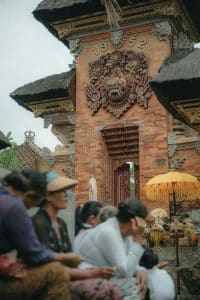
Overview of Traditional Balinese Architecture
Every part of this traditional house is designed with full attention to spiritual, social and natural relationships. The Tri Hita Karana principle is the basis of the entire house design concept, making it a place to live that is physically comfortable and spiritually balanced.
A traditional Balinese house has several parts, each with its function and spiritual meaning.
Symbolism in Design
Asta Kosala Kosali is a traditional Balinese architectural concept that regulates the procedures for arranging land for sacred buildings and residences. The building arrangement in this concept is based on the anatomy of the human body, with the owner of the house and yard as the main reference.
Presence of Family Shrines
In Balinese Hinduism and culture, household shrines hold deep spiritual meaning beyond mere decoration. They are regarded as sacred spaces believed to house ancestral spirits or Hindu deities.
Ancestors play a vital role in Balinese society, revered as protective spirits who support their families in times of need. Their influence is believed to bring prosperity, happiness, and peace, while neglecting their shrines and failing to provide regular offerings can result in misfortune and hardship.
Importance of Family Shrines in Balinese Homes
Interestingly, the Balinese place little emphasis on knowing their ancestors’ exact names. Instead, they refer to each other using nicknames or birth order names, reflecting a cultural tradition that prioritizes the respect and care shown to ancestors over remembering their individual identities.
The deified ancestors are collectively referred to as Nenek Moyong, Dewa Hyang, Pitara Hyang, or Bhatara Hyang, symbolizing the Balinese belief in the unity and interconnectedness of these ancestral spirits.
Integration of Shrines into Property Layouts
By delving into the symbolism behind architectural elements such as carved stone reliefs, ornate wood carvings, and intricate roof structures, cultural experts and designers can gain a deeper appreciation for the rich cultural tapestry that informs Balinese architecture.
Sacred Spaces in Property Design
Dedicated Areas for Meditation and Rituals
In Balinese culture, spirituality is not just a belief but a way of life that extends into property design. Homes and resorts often include dedicated spaces for meditation and rituals, creating tranquil zones that inspire spiritual growth and inner peace. These spaces intentionally allow residents or guests to disconnect from the outside world and engage in reflection, prayer, or yoga.
Key features of these sacred spaces include:
- Meditation Gardens: These serene outdoor spaces are often landscaped with lush greenery, water features, and sacred statues, offering a peaceful environment for meditation or quiet contemplation.
- Yoga Pavilions: Open-air pavilions designed for yoga and relaxation are common. These spaces blend natural elements with spiritual practice and are typically surrounded by nature to promote mindfulness and inner peace.
- Shrines and Altars: Many properties incorporate small shrines or altars, often dedicated to local deities or ancestral spirits, allowing for daily offerings and rituals.
These spaces are aesthetically pleasing and serve a functional role in maintaining spiritual balance, which is integral to Balinese life.
Examples of Properties with Sacred Spaces
Several villas and resorts in Bali are renowned for uniquely integrating sacred spaces into their design, attracting spiritually-minded buyers and travellers. These properties offer a unique experience, blending luxury with spiritual tranquillity, and are a testament to Bali’s deep-rooted spiritual culture.
- The Sacred River Villas: This luxury property is designed around a natural river, with dedicated meditation decks and temple-inspired yoga pavilions, blending the spiritual with the natural.
- Ubud Retreat Villas: Located in the heart of Bali’s spiritual capital, these villas feature traditional Balinese shrines, meditation gardens, and healing spaces honouring local customs and spiritual practices.
- Eco-Luxury Resorts: Many eco-friendly resorts across the island offer dedicated spiritual spaces, including energy-cleansing areas, private shrines, and communal temples for rituals.
Read more about Bali property design here
Orientation and Layout of Balinese Properties

Influence of the Mountain-Sea Axis (Kaja-Kelod)
A key aspect of Balinese property design is the Kaja-Kelod axis, a concept deeply rooted in Balinese cosmology. It dictates the orientation of buildings around the mountains (Kaja) and the sea (Kelod), representing the spiritual energy flow between the sacred and the profane. Kaja (Mountainward) represents the sacred direction, while Kelod (Seaward) represents the less holy direction. This directional alignment ensures that homes and temples are in harmony with the spiritual landscape, reflecting a balance between the divine and the earthly. For homeowners, this impacts the physical layout and influences daily rituals often conducted facing Mount Agung.
- Kaja (Mountainward): Properties are often oriented toward Mount Agung, Bali’s most sacred mountain, which is believed to be the abode of the gods. Buildings, especially shrines and temples, are positioned to face Kaja, honouring the holy direction.
- Kelod (Seaward): In contrast, the Kelod direction, towards the sea, is considered less sacred and is associated with the material and profane aspects of life.
This directional alignment ensures that homes and temples are in harmony with the spiritual landscape, reflecting a balance between the divine and the earthly. For homeowners, this impacts the physical layout and influences daily rituals often conducted facing Mount Agung.
Spiritual Layout Considerations
Balinese architecture also incorporates spiritual and cosmic principles into the overall layout of properties:
- Another spiritual and cosmic principle Balinese architecture incorporates into the overall layout of properties is the ‘cosmic Balance (Tri Mandala) ‘. Properties are divided into three zones to reflect the balance of the universe—Utama Mandala (sacred space), Madya Mandala (middle space for human activities), and Nista Mandala (profane or utility space). This zoning is carefully planned to maintain harmony within the home. For instance, the Utama Mandala might house the family shrine, the Madya Mandala might be the living and dining areas, and the Nista Mandala might be the kitchen and other utility spaces.
- Impact on Daily Life: Homeowners benefit from layouts that promote harmony with the cosmos, ensuring balance in daily life. Rituals, offerings, and daily activities often align with these cosmic principles to foster spiritual well-being and a sense of peace.
Properties that adhere to these spiritual guidelines are architecturally unique and seen as more auspicious. They enhance the overall living experience for residents by ensuring that the physical and spiritual dimensions are in sync.
Integration with Nature

Importance of Nature in Balinese Spirituality
In Balinese culture, nature is not merely a backdrop but a vital component of spiritual life. The island’s lush landscapes, from its verdant rice terraces to its majestic mountains and serene beaches, are seen as manifestations of the divine. Balinese spirituality emphasises the interconnectedness of all living things, where the natural environment is revered and respected.
This deep-rooted connection is reflected in daily rituals, where offerings are made to appease the spirits of nature. Ceremonies often take place outdoors, aligning with the rhythms of the earth. The natural world is considered sacred, influencing how spaces are designed and utilised in residential and communal settings. The belief that maintaining harmony with nature enhances spiritual well-being guides the architecture and layout of homes, ensuring that the environment is an integral part of daily life and a source of inspiration.
Design Elements that Promote Harmony with Nature
To embody this connection with nature, traditional Balinese architecture employs several design elements that promote harmony and integration:
- Use of Natural Materials: Properties often feature locally sourced materials, such as bamboo, wood, and stone. These materials enhance aesthetic appeal and ensure structures blend seamlessly into the landscape. The choice of materials reflects the island’s natural beauty and reinforces the idea of sustainability.
- Outdoor Living Spaces: Balinese homes typically emphasise outdoor living, with open-air pavilions, gardens, and terraces that extend the living space into nature. This design encourages residents to engage with their environment, whether enjoying a meal in a lush garden or meditating by a tranquil pond.
- Landscaping and Water Features: Balinese properties often incorporate natural landscaping, including native plants and water features like ponds and fountains. These elements enhance visual appeal and create a soothing ambience that promotes relaxation and mindfulness.
Examples of Properties that Embody This Philosophy:
- Eco-Resorts: Many eco-resorts in Bali are designed with sustainability, featuring natural materials, open-air layouts, and lush gardens that invite nature into the guest experience. These properties often emphasise wellness and tranquillity, offering yoga and meditation spaces amidst nature.
- Luxury Villas: High-end villas frequently include expansive outdoor living areas, infinity pools overlooking scenic views, and natural landscaping seamlessly blending with the surrounding environment. Such designs encourage a lifestyle that prioritises harmony with nature, offering a serene retreat from urban life.
- Community Spaces: Residential developments increasingly incorporate communal gardens and green spaces, fostering a sense of community while promoting ecological balance. These areas serve as gathering spots for residents, allowing them to connect with nature and each other.
Through these design elements, Balinese architecture not only honours the spiritual significance of nature but also creates living environments that enhance the quality of life for residents and visitors alike.
Conclusion
In summary, the unique characteristics of Balinese architecture, deeply rooted in the island’s cultural and spiritual heritage, play a crucial role in shaping the real estate landscape of Bali. Integrating natural materials, harmonious design, and embodying core philosophies like Tri Hita Karana and Asta Kosala Kosali create aesthetically pleasing properties that resonate with the island’s essence. These cultural and spiritual influences ensure that each property reflects Bali’s rich traditions, offering potential buyers and investors an opportunity to own a piece of this enchanting environment.
Understanding these elements is significant for anyone investing in Bali’s real estate market. Buyers who appreciate the deeper meanings behind these architectural choices will likely find properties that meet their needs and enrich their lifestyle and connection to the island. The blend of modern amenities with traditional design philosophies results in homes and resorts that encapsulate the spirit of Bali, making them highly desirable.
We invite you to explore the diverse range of real estate options available in Bali, where tradition meets modern living. Bali offers something for everyone, whether you’re interested in luxury villas, eco-friendly resorts, or serene retreats. For further information on available properties and to discover how to become part of this unique cultural landscape, visit Bali Invest. Dive into the beauty of Balinese real estate and find your dream property today!
