


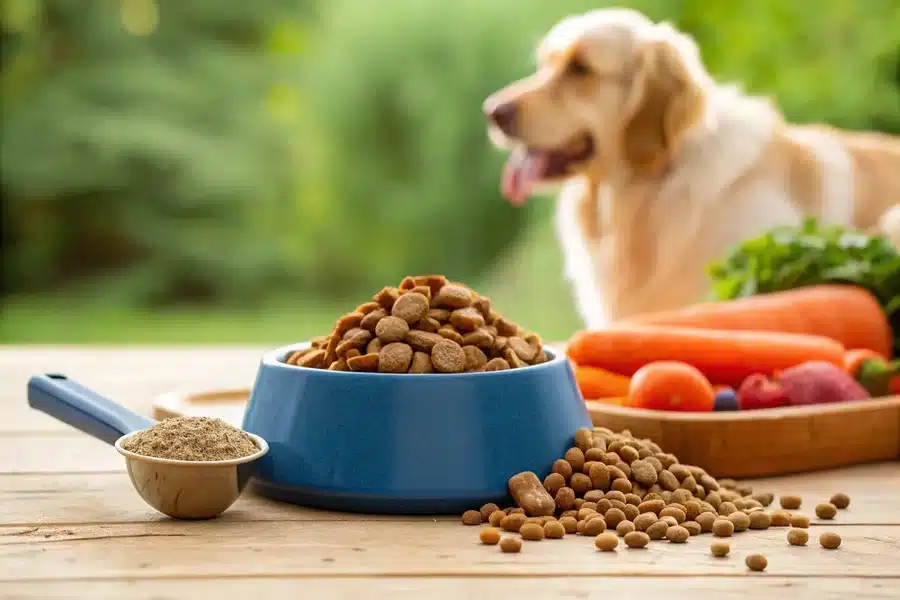
The Importance of Protein in Premium Dog Food
When you’re looking at premium dog food, protein is one of those things that just keeps coming up. It’s not just about filling your dog’s bowl; it’s about giving them the right stuff to thrive. At Red Ridge Pet Market, we know how important protein is, and it’s a big reason why we focus on quality ingredients. Think of protein as the building blocks for pretty much everything in your dog’s body. It’s involved in so many processes, from their skin and coat to their internal organs.
Building Blocks for Canine Health
Protein is made up of smaller parts called amino acids. These are like tiny Lego bricks that your dog’s body uses to build and repair tissues. They’re needed for everything from growing new fur to healing a cut. Without enough of the right amino acids, your dog’s body just can’t do all the jobs it needs to. This can show up in a few ways, like a dull coat or slower healing.
- Skin and coat health
- Cell repair and regeneration
- Enzyme and hormone production
The quality of the protein matters just as much as the amount. Not all protein sources are created equal, and some are easier for your dog to use than others.
Energy and Vitality
While carbs and fats also provide energy, protein plays a unique role. It’s a steady source of fuel that helps keep your dog going throughout the day. This means more playtime, more enthusiasm for walks, and just a generally happier, more energetic pup. You’ll notice a difference in their zest for life when they’re getting good protein.
Muscle Development and Maintenance
This is probably the most obvious role of protein. It’s what builds and maintains muscle mass. For puppies, this means growing strong bodies. For adult dogs, it means keeping their muscles toned and ready for action, whether they’re chasing a ball or just trotting around the park. Even senior dogs need protein to help prevent muscle loss as they age. It’s a constant job for their bodies, and protein is the key ingredient.
- Supports lean muscle growth
- Aids in muscle repair after exercise
- Helps maintain muscle mass throughout life
Common Animal-Based Protein Sources
When you’re looking at premium dog food, you’ll notice a lot of animal-based proteins. These are often the go-to for good reason. They tend to be highly digestible for dogs and provide a really good mix of amino acids that dogs need to stay healthy and active. Red Ridge Pet Market often highlights these in their formulations because they know how important they are for your pet’s well-being.
Chicken and Turkey: Lean and Digestible
Chicken and turkey are probably the most common protein sources you’ll see. They’re lean, which means they don’t have a lot of fat, and most dogs find them easy to digest. This makes them a great choice, especially for dogs with sensitive stomachs. You’ll often find them listed as ‘chicken meal’ or ‘turkey meal’ on ingredient lists. Meal forms are concentrated, so they pack a lot of protein punch.
Beef and Lamb: Rich in Nutrients
Beef and lamb are a bit richer than poultry. They offer a good amount of iron and other important minerals. Some dogs do really well with beef or lamb, while others might be a little sensitive to them. If your dog has had issues with other proteins, sometimes switching to a lamb-based diet can make a difference. Red Ridge Pet Market uses these in some of their recipes for dogs that need a more robust protein source.
Fish: Omega Fatty Acids and More
Fish is a fantastic source of protein, and it brings something extra to the table: omega-3 and omega-6 fatty acids. These are super important for a dog’s skin and coat health, helping to keep them shiny and reducing itchiness. Salmon, whitefish, and menhaden are common types you’ll see. They’re also generally easy to digest.
Eggs: A Complete Protein
Eggs are often called a ‘complete protein’ because they contain all the essential amino acids a dog needs. They’re highly digestible and a great source of vitamins and minerals too. While you might not see whole eggs as the primary ingredient in many kibbles, they are often included in premium dog food formulations for their nutritional benefits. They’re a really well-rounded addition to a dog’s diet.
Exploring Plant-Based Protein Options
While animal proteins often get the spotlight in premium dog food discussions, plant-based proteins are becoming more common and can be a good choice for many dogs. Red Ridge Pet Market recognizes that not all dogs do well with meat, or owners might prefer a diet with fewer animal products. These plant sources can offer a different nutritional profile and are often used in specialized diets.
Peas and Lentils: Fiber and Protein
Peas and lentils are legumes that pack a good amount of protein and fiber. They’re often found in grain-free formulas. The fiber helps with digestion, keeping things moving smoothly. Plus, they contain important vitamins and minerals. When you see them on an ingredient list, know they’re contributing more than just bulk.
Soy: A Complete Plant Protein
Soy is one of the few plant sources that provides all the essential amino acids a dog needs, making it a complete protein. This means it can stand on its own as a primary protein source. However, some dogs can have sensitivities to soy, so it’s something to watch out for if your dog has a delicate stomach.
Other Legumes and Grains
Beyond peas and lentils, other legumes like chickpeas and beans can show up. Grains such as brown rice, barley, and oats also contribute protein, though usually in smaller amounts compared to dedicated protein sources. They also add carbohydrates for energy and fiber. The key is how these ingredients are combined to create a balanced meal.
When looking at plant-based proteins in premium dog food, it’s important to remember that digestibility can vary. Some dogs process plant matter differently than meat. Manufacturers often use specific processing methods to make these proteins more available to a dog’s system. Always check with your vet if you’re unsure about a specific diet.
Here’s what to look for:
- Protein Content: Ensure the overall protein percentage meets your dog’s needs.
- Ingredient Synergy: How well do the plant proteins work with other ingredients?
- Digestibility: Does your dog show any signs of digestive upset?
Understanding Protein Quality and Digestibility
If you’re shopping for premium dog food at Red Ridge Pet Market, you might wonder why some protein sources are better than others. Not all protein works the same way for dogs—some give more nutrition, some are easier on their stomachs, and others just aren’t absorbed as well. Here’s what really matters:
Amino Acid Profiles
Every protein is made up of amino acids. Think of them as the building blocks that your dog can’t live without. Complete proteins have all the amino acids your dog needs, usually found in animal sources like chicken, beef, and fish. Plant proteins sometimes miss a few pieces of the puzzle, so dog food brands often combine sources to fill in the blanks.
- Animal proteins usually give more complete amino acid profiles
- Mixing several plant-based proteins can help cover all bases
- Puppies, adults, and seniors need slightly different mixes for the best health
A proper amino acid balance in your dog’s diet can help keep their energy steady and their coat shiny.
Ingredient Processing
How protein is handled makes a difference. Some processing methods can damage proteins or make them less useful for your dog. For example:
- Gently cooked meats often keep more nutritional value
- Over-cooking or high-heat processing can destroy some amino acids
- Lower-quality meals and by-products might lose more nutrition during processing
Bioavailability for Your Dog
Bioavailability means how much protein your dog’s body can actually use. Even if the bag says it’s packed with protein, it only matters if your dog can absorb it:
- Animal proteins from real meat in premium dog food tend to be easier for dogs to use
- Some plant proteins are harder to digest and may pass right through
- Eggs and fish are some of the most digestible proteins available
If you want your dog to truly benefit, watch for premium dog foods made with honest, easy-to-read ingredients. At Red Ridge Pet Market, we always recommend checking for foods that start with real meat and use straightforward processing. It makes a noticeable difference over time—dogs generally feel better, act livelier, and have fewer stomach troubles with quality protein.
Identifying High-Quality Protein in Premium Dog Food
So, you’re looking at bags of premium dog food and wondering what’s actually in there, especially when it comes to protein. It’s not always as straightforward as it seems. Reading the ingredient list is your best tool for figuring out if your dog is getting the good stuff.
Reading the Ingredient List
This is where the real detective work happens. The order of ingredients matters a lot. They’re listed by weight, so the first few ingredients make up the bulk of the food. For premium dog food, you want to see protein sources listed early on.
- Look for named meat sources: Instead of vague terms, aim for specific ingredients like “chicken,” “lamb,” or “salmon.” This tells you exactly what kind of animal protein is being used.
- Check for protein meals: Ingredients like “chicken meal” or “lamb meal” are concentrated sources of protein. While they sound less appealing, they can be very high in protein content after water is removed.
- Understand “by-products”: While not always bad, “meat by-products” can be less predictable. They might include organs, bones, and other parts. Some are nutritious, but it’s good to know what you’re getting.
Meat First Ingredients
This is a big one for premium dog food. You want to see a recognizable meat or fish as one of the first few ingredients. This usually means the food is built around a solid protein base, rather than being mostly fillers.
A good rule of thumb is that the first ingredient should be a whole meat source or a specific meat meal. This indicates a higher protein focus from the start, which is what we want for our canine companions.
Avoiding Fillers and By-Products
While some by-products can be nutritious, a long list of vague “meat by-products” or ingredients like corn, wheat, and soy listed very high up can signal that the food might be using cheaper fillers. These ingredients offer less usable protein and can sometimes cause digestive issues for dogs. Red Ridge Pet Market focuses on clear labeling so you know what you’re feeding your pet.
- Watch out for “generic” meat terms: “Animal digest” or “meat meal” without a specific animal source can be a red flag.
- Consider the grain content: While grains can provide some protein and carbs, they shouldn’t be the primary ingredients in a premium dog food.
- Be wary of artificial additives: Colors, flavors, and preservatives aren’t protein, and they don’t add nutritional value. High-quality foods usually avoid these.
Protein Needs Vary by Life Stage and Activity
Just like people, dogs have different nutritional needs depending on what they’re doing and how old they are. What works for a tiny puppy won’t be quite right for a senior dog, and a dog that runs miles every day needs more fuel than one who mostly naps on the couch. At Red Ridge Pet Market, we know that picking the right premium dog food means looking at these individual needs. It’s not a one-size-fits-all situation.
Puppy Growth Requirements
Puppies are basically little growth machines. They’re building bones, muscles, organs, and a whole lot of energy. Because of this rapid development, they need a higher concentration of protein than adult dogs. This protein provides the amino acids necessary for all that building. Think of it like construction workers needing lots of good materials to build a skyscraper quickly and safely. The premium dog food for puppies needs to reflect this.
Adult Maintenance
Once a dog is fully grown, their protein needs shift. They still need protein for daily body repair, maintaining muscle mass, and general health, but the intense building phase is over. The amount of protein in their premium dog food should support their current body condition and energy levels without leading to weight gain. It’s about keeping them healthy and active.
Senior Dog Considerations
As dogs get older, their metabolism can slow down, and they might not absorb nutrients as efficiently. Some senior dogs might benefit from slightly less protein if they’re less active to avoid putting extra strain on their kidneys, while others might need easily digestible protein to help maintain muscle mass that can naturally decrease with age. It’s a balancing act, and talking to your vet about the best premium dog food for your older friend is a good idea.
Active and Working Dogs
Now, if you have a dog that’s a true athlete – think agility stars, hunting companions, or service dogs – their protein requirements go way up. These dogs burn a lot of calories and need protein not just for muscle repair but also for sustained energy. Their bodies are working overtime, and they need the right fuel to keep up. The premium dog food for these pups will often have higher protein and fat content to meet these demands.
It’s really about matching the food to the dog’s lifestyle. A dog that spends its days chasing squirrels in the yard has different needs than a dog that competes in obedience trials or works on a farm. Paying attention to the protein content and quality in their premium dog food can make a big difference in their overall well-being and energy levels.
Wrapping It Up
So, when you’re looking at dog food labels, don’t just skim past the protein part. It’s a big deal for your dog’s health, really. Knowing where that protein comes from – whether it’s chicken, beef, fish, or even plant-based stuff – helps you pick the best food for your furry friend. Some dogs do better with certain proteins, and sometimes it’s just about what they like. Keep an eye on those ingredients, and if you’re ever unsure, your vet is always the best person to ask. Making informed choices about their food means a happier, healthier dog, and who doesn’t want that?
