


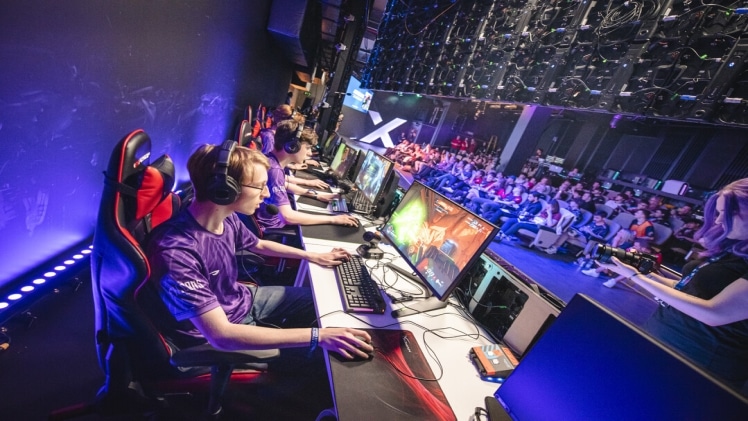
E-sports, or electronic sports, has rapidly evolved from a niche hobby into a global phenomenon, captivating millions of fans and generating billions of dollars in revenue. This burgeoning industry has transformed casual gamers into professional athletes, drawing parallels with traditional sports in terms of competition, training, and audience engagement. This article explores the fascinating world of e-sports, tracing its journey from a pastime to a professional career for many, and examining the factors driving its explosive growth.
The Early Days of E-Sports
The origins of e-sports can be traced back to the late 20th century when video games began to gain popularity. The first known video game competition took place in 1972 at Stanford University, where students competed in “Spacewar!” for a subscription to Rolling Stone magazine. Throughout the 1980s and 1990s, arcade games and home consoles became increasingly popular, leading to more organized gaming competitions.
The advent of the internet in the 1990s marked a turning point for e-sports. Online multiplayer games like “Quake,” “StarCraft,” and “Counter-Strike” allowed players to compete against each other globally. The competitive scene began to formalize, with the establishment of leagues, tournaments, and dedicated e-sports organizations. South Korea emerged as a hub for e-sports, with the launch of the Korean e-Sports Association (KeSPA) in 2000 and the rise of “StarCraft” as a national pastime.
The Growth of Professional E-Sports
The 21st century saw e-sports grow exponentially, fueled by advancements in technology, increasing internet accessibility click here for more info, and the proliferation of online streaming platforms. Key milestones in the growth of professional e-sports include:
- Tournaments and Leagues: Major e-sports tournaments like the World Cyber Games (WCG), the Electronic Sports World Cup (ESWC), and Major League Gaming (MLG) began to attract significant attention and sponsorship. The introduction of annual events such as The International for “Dota 2” and the League of Legends World Championship further solidified e-sports’ status as a professional sport.
- Streaming and Broadcasting: The rise of platforms like Twitch, YouTube Gaming, and Mixer revolutionized the way e-sports were consumed. These platforms provided a space for live streaming, enabling fans to watch their favorite players and teams compete in real-time. The accessibility and interactivity of these platforms helped e-sports reach a global audience.
- Sponsorship and Investment: As e-sports gained popularity, major corporations began to invest in the industry. Brands like Coca-Cola, Intel, and Red Bull, along with tech giants like Google and Amazon, recognized the marketing potential of e-sports and became sponsors. This influx of investment helped fund prize pools, player salaries, and the development of professional e-sports organizations.
- Professionalization of Players: The increasing professionalism of e-sports is evident in the structured training regimens, coaching staff, and support systems in place for players. E-sports athletes now undergo rigorous training, similar to traditional sports, to hone their skills and maintain peak performance. Top players can earn substantial incomes through salaries, sponsorships, and tournament winnings.
E-Sports as a Viable Career Path
The rise of e-sports has opened up new career opportunities beyond just playing games. The ecosystem surrounding e-sports includes various roles, such as:
- Professional Players: At the core of e-sports are the professional players who compete at the highest levels. These athletes are often scouted from amateur ranks and undergo intense training to compete in tournaments worldwide. Successful players can earn lucrative incomes and achieve celebrity status within the gaming community.
- Coaches and Analysts: Just like in traditional sports, e-sports teams employ coaches and analysts to develop strategies, analyze opponents, and improve player performance. These professionals play a crucial role in preparing teams for competition and ensuring they perform at their best.
- Casters and Commentators: E-sports broadcasts require knowledgeable and charismatic casters and commentators to provide play-by-play coverage and analysis of matches. These individuals help engage viewers and enhance the overall viewing experience.
- Event Organizers and Managers: The organization and management of e-sports events require a range of skills, from logistics and production to marketing and sponsorship management. These professionals ensure that tournaments run smoothly and provide an enjoyable experience for both players and fans.
- Content Creators and Influencers: Many e-sports players and enthusiasts create content on platforms like YouTube and Twitch, sharing gameplay, tutorials, and commentary. These content creators often build large followings and can monetize their channels through ads, sponsorships, and donations.
- Developers and Support Staff: Game developers play a crucial role in the e-sports ecosystem by creating and maintaining the games that form the basis of competition. Support staff, including technical support, community managers, and marketers, also contribute to the growth and sustainability of e-sports.
The Future of E-Sports
The future of e-sports looks incredibly promising, with several trends indicating continued growth and expansion:
- Mainstream Acceptance: E-sports is increasingly being recognized as a legitimate form of competition and entertainment. Major sports networks like ESPN and BBC have begun to broadcast e-sports events, and some universities now offer e-sports scholarships and programs.
- Technological Advancements: Innovations in technology, such as virtual reality (VR) and augmented reality (AR), could revolutionize e-sports by providing even more immersive experiences. Improved internet infrastructure and the advent of 5G will also enhance the quality and accessibility of e-sports.
- Global Expansion: E-sports is expanding globally, with growing audiences in regions like Asia, Europe, and North America. Emerging markets in Latin America, Africa, and the Middle East are also showing significant interest in e-sports, contributing to its worldwide appeal.
- Diverse Game Genres: While certain game genres like first-person shooters (FPS) and multiplayer online battle arenas (MOBA) dominate e-sports, other genres are gaining traction. Sports simulation games, fighting games, and even mobile games are becoming popular e-sports titles.
- Youth Engagement: E-sports has a strong appeal among younger generations, who are increasingly viewing it as a viable career path. This engagement is fostering a new wave of talent and innovation within the industry.
Conclusion
The rise of e-sports from a hobby to a professional career path is a testament to the transformative power of technology and the changing landscape of entertainment. With its rapid growth, increasing professionalism, and global reach, e-sports is set to become a cornerstone of the modern entertainment industry. As it continues to evolve, e-sports will undoubtedly provide exciting opportunities for players, fans, and professionals alike, shaping the future of competitive gaming and beyond.
