


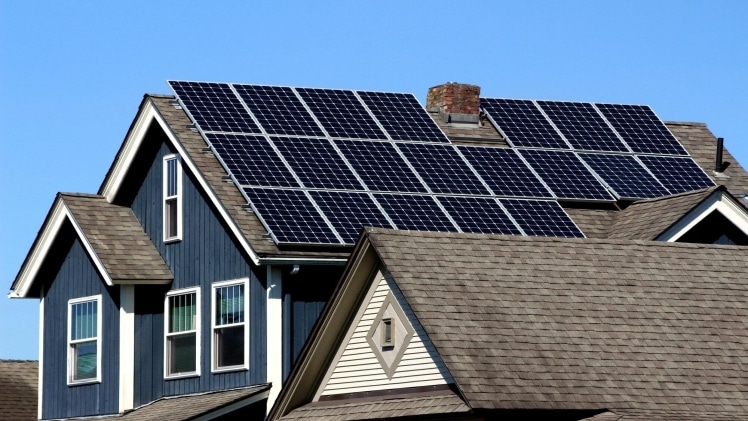
Did you know that 55% of all new electric capacity added to the grid in 2023 came from solar? This
The quest for sustainable energy solutions has put solar power at the forefront of the conversation. Solar energy provides a viable alternative to fossil fuels. They offer both environmental and economic benefits.
Central to harnessing this green energy are solar batteries and panels. However, not all solar solutions are created equal.
In this blog post, we’ll explore the pros and cons of different types of solar batteries and panels. Read on to help you make an informed decision that aligns with your energy needs.
Types of Solar Batteries
Solar batteries are a crucial component of any solar energy system. They store the energy collected from the sun during the day and provide power when there is no sunlight. Here are some types of solar batteries:
Lead-Acid Batteries
Lead-acid batteries are the oldest type of rechargeable battery used in solar systems. They’re composed of lead plates, sulfuric acid, and water. These batteries have been around for decades and remain a popular choice.
Pros:
- Low initial cost
- Widely available
- Can handle high current bursts
- Can be recycled
Cons:
- Requires regular maintenance
- Short lifespan (3-5 years)
- Has a lower depth of discharge
- Can release toxic fumes if overcharged
Lithium-Ion Batteries
Lithium-ion batteries are a newer and more advanced option for solar energy storage. They’re commonly used in household electronics.
These batteries operate by moving lithium ions between positive and negative electrodes. This chemical reaction allows them to store and release energy efficiently.
Pros:
- High energy density
- Longer lifespan (10+ years)
- Low maintenance
- Can have a high depth of discharge
Cons:
- Higher initial cost
- Can be more difficult to recycle
- Requires a battery management system
- Sensitive to extreme temperatures
Flow Batteries
Flow batteries use two chemical components dissolved in liquids separated by a membrane. When the two solutions come into contact, they generate electricity.
These batteries have been around since the 1980s. They recently gained attention for their potential use in storing solar energy.
Pros:
- Long lifespan (up to 20 years)
- Scalable for large-scale energy storage
- Can be recycled and reused
- High efficiency in charging and discharging
Cons:
- Expensive upfront cost
- Low energy density
- Requires regular maintenance and monitoring
- Limited commercial availability
Nickel-Cadmium Batteries
Nickel-cadmium (NiCd) batteries have been used for many years in a variety of applications. They consist of nickel oxide hydroxide and metallic cadmium. They’re known for their robust performance in demanding conditions.
Pros:
- Durable and long-lasting
- Performs well in extreme temperatures
- Can withstand deep discharges
- Low self-discharge rate
Cons:
- Higher initial cost compared to lead-acid batteries
- Contains toxic materials (cadmium)
- Low energy density
- Requires proper disposal methods
Sodium-Ion Batteries
Sodium-ion batteries are an emerging technology that uses sodium ions instead of lithium ions to store energy. They are being explored as a potentially cheaper and more sustainable alternative to lithium-based systems.
Pros:
- Abundant and inexpensive raw materials
- Lower environmental impact
- Potential for long cycle life
- High energy density
Cons:
- Limited commercial availability
- Lower energy density
- Still in the early stages of development
- Requires a higher charging voltage
Solid-State Batteries
Solid-state batteries use a solid electrolyte instead of a liquid one. They have been touted as the next generation of battery technology.
Pros:
- Higher energy density
- Longer lifespan (20+ years)
- Safer than other battery types
- Can withstand high temperatures
Cons:
- Expensive to manufacture
- Limited commercial availability
- May need complex production processes
- Affected by vibrations or shocks
Zinc-Air Batteries
Zinc-air batteries use oxygen from the air as a cathode reactant. These batteries are often found in hearing aids and other small electronic devices. They are being explored for solar energy applications as well.
Pros:
- High energy density
- Lightweight and economical
- Environmentally friendly materials
- Can be easily recycled
Cons:
- Limited lifespan (2-3 years)
- Low rechargeability
- Performance affected by humidity and temperature
- Requires proper ventilation
Graphene Batteries
Graphene batteries use a carbon-based material known as graphene as an electrode. They have been hailed as a breakthrough in battery technology.
Pros:
- High energy density
- Fast charging time
- Lightweight and compact
- Long lifespan (10+ years)
Cons:
- Expensive to produce
- Limited commercial availability
- Requires a protective coating for stability
- Sensitivity to high temperatures
Aluminum-Ion Batteries
Aluminum-ion batteries use aluminum ions as the charge carrier instead of lithium. They have been gaining attention for their potential use in high-capacity energy storage.
Pros:
- High energy density
- Fast charging time
- Long lifespan (5+ years)
- Inexpensive to produce
Cons:
- Limited commercial availability
- Still in the early stages of development
- Affected by extreme temperatures
- Requires a flammable electrolyte
Lithium Iron Phosphate (LiFePO4) Batteries
Lithium iron phosphate batteries are a type of lithium-ion battery, known for their safety and thermal stability. They are increasingly used in applications like electric vehicles and solar energy systems.
Pros:
- Enhanced safety and thermal stability
- Long cycle life
- Good thermal conductivity
Cons:
- Lower energy density
- Higher cost of production
- Heavier than some alternatives
Types of Solar Panels
Solar panels are the most recognizable form of solar technology. They capture sunlight and convert it into electricity. Here are some types of solar panels used in residential and commercial applications:
Monocrystalline Panels
Monocrystalline panels are made from a single crystal structure. They have been around since the 1950s and remain one of the most popular options for solar panel installations.
Pros:
- High energy efficiency
- Takes up less space compared to other panels
- Long lifespan (25+ years)
- Performs well in low-light conditions
Cons:
- Higher initial cost
- Can be affected by shading
- Requires precise installation
- Can be fragile and prone to damage
Polycrystalline Panels
Polycrystalline panels are made from melted fragments of silicon. They have a lower efficiency compared to monocrystalline panels but are still widely used in solar installations.
Pros:
- Lower initial cost
- Performs well in high temperatures
- Low maintenance
- Easier to manufacture
Cons:
- Lower energy efficiency
- Takes up more space
- Can be affected by shading
- Shorter lifespan (15-20 years)
Thin-Film Panels
Thin-film panels have layers of semiconductors on a metal or glass surface. They have been gaining popularity for their versatility and lower manufacturing costs.
Pros:
- Lower initial cost
- Lightweight and flexible design options
- Performs well in low-light conditions
- Easy to install
Cons:
- Lower energy efficiency
- Shorter lifespan (10+ years)
- Requires more space compared to other panels
- Can degrade over time
Concentrated PV Panels
Concentrated photovoltaic (CPV) panels use lenses or mirrors to concentrate sunlight onto a small area of solar cells. They’re commonly used in large-scale solar energy projects.
Pros:
- High energy efficiency
- Lower cost per watt
- Good performance in high temperatures
- Requires less space compared to other panels
Cons:
- Expensive initial cost
- Requires precise installation and maintenance
- Affected by shading
- Not suitable for residential use
Bifacial Panels
Bifacial panels have solar cells on both sides. This allows them to capture sunlight from both directions. They’re gaining popularity for their potential to generate more electricity compared to traditional panels.
Pros:
- Higher energy efficiency
- Performs well in low-light conditions
- Can produce electricity from reflected sunlight
- Flexible installation options
Cons:
- Higher initial cost
- Requires specialized installation and inverters
- Limited commercial availability
- More susceptible to damage
Building-Integrated PV Panels
Building-integrated PV (BIPV) panels are integrated into the design of a building. They serve both as an energy source and a structural element.
Pros:
- Aesthetic appeal
- Can offset traditional building materials
- Different design options
- Maximizes use of space
Cons:
- Higher initial cost
- Requires specialized installation and design
- Limited energy efficiency
- May need more maintenance and repairs
Multi-Junction Solar Panels
Multi-junction solar panels consist of multiple layers of different semiconductor materials. This design allows them to capture a broader spectrum of sunlight.
Pros:
- High-efficiency rates
- Performs well in low-light conditions
- Suitable for space applications
- Takes up less space
Cons:
- Expensive initial cost
- Limited commercial availability
- Less durable due to complex design
- Complex manufacturing process
Organic Photovoltaic Panels
Organic photovoltaic panels use organic polymers to capture sunlight. The use of organic materials makes them more sustainable compared to traditional panels.
Pros:
- Lower manufacturing costs
- Easy to mass-produce
- Lightweight and flexible design
- Performs well in low-light conditions
Cons:
- Lower energy efficiency
- Shorter lifespan (5+ years)
- More susceptible to damage
- Limited commercial availability
Transparent Solar Panels
Transparent solar panels can capture sunlight while allowing light to pass through. They are ideal for use in windows and other surfaces where visibility is necessary.
Pros:
- Aesthetic appeal
- Used in a variety of applications
- Maximizes use of space
- Does not block natural light
Cons:
- Lower energy efficiency
- Higher manufacturing costs
- Limited commercial availability
- Can be more fragile and prone to damage
Hybrid Solar Panels
Hybrid solar panels combine the technologies of both solar photovoltaic and solar thermal systems. This dual functionality allows them to generate electricity while also capturing heat. This makes them versatile for varying energy needs.
Pros:
- High efficiency in energy conversion
- Dual-energy output from one installation
- Can reduce overall energy costs
- Suitable for residential and commercial applications
Cons:
- Higher initial installation costs
- More complex installation process
- Larger space requirements
- Requires specialized maintenance
Passivated Emitter and Rear Cell (PERC) Solar Panels
PERC panels have a reflective layer on the back that captures and utilizes previously wasted sunlight. This increases their efficiency compared to traditional panels.
Pros:
- High energy efficiency
- Performs well in low-light conditions
- Longer lifespan (up to 35 years)
- Lower operating temperature
Cons:
- Higher initial cost
- Limited commercial availability
- Less durable due to complex design
- More sensitive to installation errors
Floating Solar Panels
Floating solar panels are installed on bodies of water such as lakes or reservoirs. These systems can reduce evaporation and also keep the panels cooler.
Pros:
- Reduces water evaporation
- Space-efficient
- Less land use for solar installations
- Higher efficiency due to cooling effects
Cons:
- Higher installation costs
- Requires environmental considerations
- Maintenance can be more challenging
- Limited by water quality and depth
Solar Roof Tiles
Solar roof tiles can integrate seamlessly into the roof structure. They can replace conventional roofing materials while generating electricity. Using this type of roofing can help in optimizing your solar strategy.
Pros:
- Aesthetic integration with architecture
- Dual functionality
- Durable and weather-resistant
- Less visibility of solar technology
Cons:
- Higher upfront costs
- Installation can be complex
- Limited options available in the market
- Lower energy efficiency
Solar Facades
Solar facades are systems that integrate solar panels into the exterior walls of a building. They can provide both energy and thermal insulation.
Pros:
- Aesthetic appeal
- Dual functionality
- Can help reduce building energy consumption
- Provides additional insulation
Cons:
- Limited options available in the market
- Higher upfront costs
- Installation can be complex
- Lower energy efficiency
Solar Backpacks
Solar backpacks have solar panels built into them, allowing users to charge their electronic devices on the go. They’re popular among hikers and travelers who need to stay connected while off-grid.
Pros:
- Portable and lightweight
- Can charge devices while exploring
- Ideal for emergencies
- Eco-friendly alternative to traditional backpacks
Cons:
- Limited energy storage capacity
- More expensive than traditional backpacks
- Durability can be affected by weather conditions
- Limited commercial availability
Solar Water Heating Panels
Solar water heating panels effectively capture sunlight to heat water for residential and commercial use. They can reduce energy costs related to water heating.
Pros:
- Lower operational costs for heating water
- Can work with existing water heating systems
- Effective in a variety of climates
- Environmentally friendly water heating solution
Cons:
- Initial installation costs can be significant
- Requires proper orientation and placement
- Affected by weather conditions
- Limited commercial availability
Solar Air Conditioning Panels
Solar air conditioning panels use solar energy to power the cooling system of a building. They can be an efficient alternative to traditional air conditioning systems in areas with ample sunlight.
Pros:
- Reduces energy costs
- Environmentally friendly solution
- Effective in areas with high levels of sunlight
- Can integrate with existing HVAC systems
Cons:
- Higher installation costs
- Requires proper orientation and placement
- Maintenance can be more complex and costly
- Limited commercial availability
Exploring the Types of Solar Batteries and Panels
As you can see, there are different types of solar batteries and panel technologies available in the market. Each comes with its own set of benefits and drawbacks. It is important to carefully consider your energy needs and budget when choosing a solar solution.
As technology advances, we can expect to see more options for solar panels in the future. Make sure to consult with a professional before making any decisions. This is to ensure you’re getting the most efficient and cost-effective solar system for your needs.
Did you find this blog post helpful? If so, feel free to explore more of our blog!
