


Are you one of the many people who deal with chronic, unrelenting pain? Or maybe you’re nursing an injury and need a speedy solution to help you return to your pre-injury state? Modern dry needling might just be the risk-free answer to your plight. This therapeutic technique is surging in popularity for its proficiency in treating painful conditions.
In the next few minutes, we’ll unpack exactly how dry needling in Austin works and how it provides long-lasting pain relief.
What is Dry Needling?
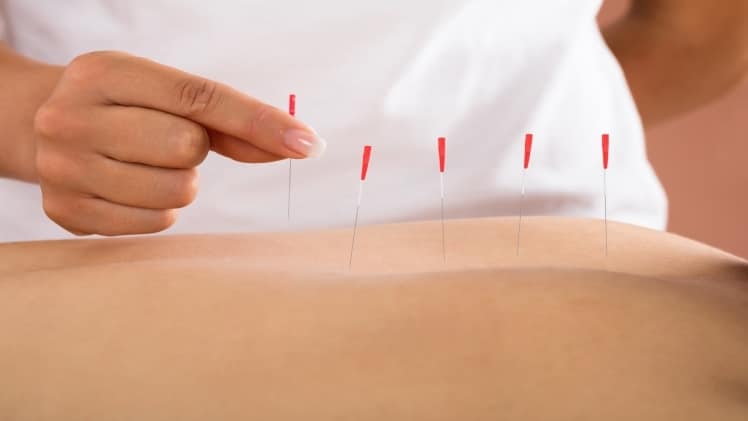
During dry needling treatment, thin filiform needles are inserted into specific target areas of a person’s body, known as “trigger points” or muscle knots. Trigger points often are the source of a person’s pain or discomfort. The insertion of the needles improves blood flow and releases the muscle tension associated with the trigger points, thereby “curing” the trigger point.
How Does Dry Needling Relieve Pain?
The following outlines the methods by which dry needling alleviates pain:
Reduced Muscle Tension
physical therapy in Austin uses dry needling to relieve muscle tension. It is especially effective with taut bands and trigger points in the muscles, the kinds of knots that appear when a muscle is overworked or injured.
Dry needling therapy involves inserting a very thin needle into the taut band or trigger point. The needle causes local and systemic muscle triggers that elicit responses in the muscles being treated. These triggers help the muscle relax.
Improved Blood Circulation
The affected area gets a direct uptick in blood flow from dry needling. This works by soothing inflammation. Inflammation occurs when you touch a painful area and it feels hot and red. This is because blood is not flowing well in and out of that area, and it’s not healing. So, dry needling increases direct blood flow and keeps inflammation down.
Lowered Sensitivity to Pain
When specific trigger points are needled, dry needling works on the nervous system to influence the way it sends pain signals to the brain. The treatment makes the body release endorphins (natural painkillers) during and after a treatment session, reducing pain.
What Are The Benefits of Dry Needling for Pain?
Dry needling presents several upsides;
Chronic Pain Management
People with chronic pain—whether it comes from back problems, neck strain, or even migraines—can find significant relief from dry needling. A trained therapist at Carter Physiotherapy uses thin, sterile needles to release trigger points — that is, areas of chronic tightness in a muscle or muscle group. The result is better blood flow, less tension, and a lot less pain.
Injury Recovery
Dry needling has emerged as an effective technique to use on athletic and non-athletic populations recovering from injuries. Whether you have an ankle sprain, a case of tendonitis, or a muscle strain, dry needling can be a way to nudge the healing process along. Making tiny punctures in muscle tissue causes the tissue to wake up and can stimulate the natural healing process.
Improved Mobility and Enhanced Flexibility
If you have stiff joints or tight muscles that restrict your movement, dry needling can help you restore your flexibility. It does this by alleviating tension in tight muscles, which helps to improve blood flow and restore restricted areas in the body. As a result, it also improves your overall mobility performance when you’re going through the tasks of your day.
Faster Recovery
When athletes or anyone else with physically demanding jobs engage in overly stressful, repetitive activities, muscle overuse may result. This can lead to tight muscles, pain, and tenderness. Injecting a very thin needle into a muscle knot may sound excessive, but it actually promotes relaxation and recovery in overworked muscles.
Alleviates Pinched Nerves
When nerves are squeezed by tight muscles, like the ones in the lower back when a person has sciatica, the pressure can cause all sorts of uncomfortable sensations and even pain. Dry needling helps relieve the muscle tightness around a pinched nerve, allowing the nerve to calm down and return to its normal state. This works well for conditions like carpal tunnel syndrome too.
Prevents Future Injuries
Dry needling can help ward off future injuries. By releasing muscle tension, improving flexibility, and helping restore proper muscle function, it addresses the very issues that, if left untreated, could lead to more significant problems down the line. That’s especially true if you’re an athlete or have a job that requires you to be physically active. Routine dry-needling sessions can help keep your muscles in check and may prevent you from having to deal with more severe strain injuries.
In conclusion,
Dry needling is a contemporary and effective means for managing and alleviating various conditions. This technique provides a pathway through which the tension in muscles can be addressed. Whether one is experiencing persistent pain or feeling a bit tensed, dry needling can be an essential treatment for recovery and regaining normal function.
