


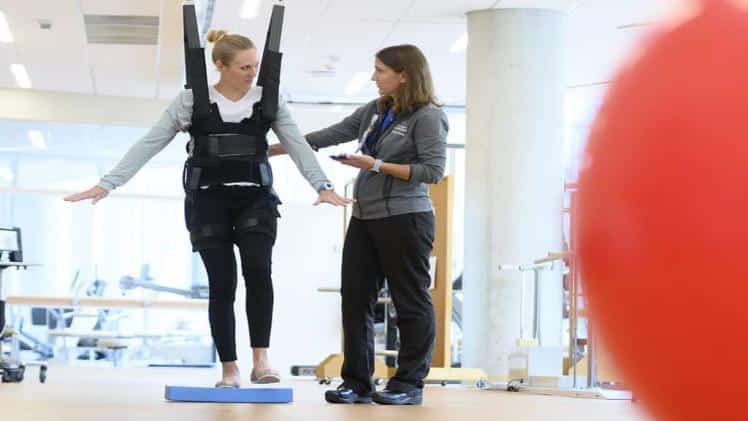
Neurological physical therapy is a specialized area of rehabilitation for individuals with nervous system disorders. Conditions like stroke, multiple sclerosis, and Parkinson’s disease can significantly affect movement, balance, and overall function.
Neurological rehabilitation focuses on helping patients regain mobility and independence, enabling them to perform daily activities more easily and confidently.
Conditions Treated in Neurological Physical Therapy
Neurological physical therapy addresses many conditions that affect the brain, spinal cord, and peripheral nervous system. Some of the most common conditions treated include:
Stroke
A stroke can lead to partial paralysis, muscle weakness, and loss of coordination. Neurological rehabilitation helps stroke survivors regain strength, improve balance, and restore their ability to perform daily tasks like walking, dressing, and standing up.
Multiple Sclerosis (MS)
MS is a progressive disease that damages the protective covering of nerves, leading to difficulties with movement, coordination, and balance. Physical therapy focuses on strengthening muscles, improving flexibility, and enhancing balance to maintain independence.
Parkinson’s Disease
This degenerative disorder affects movement, causing tremors, stiffness, and coordination difficulties. Physical therapy can help slow down the effects of Parkinson’s by improving mobility and reducing stiffness, making it easier for patients to move and function in their daily lives.
Traumatic Brain Injury (TBI)
A TBI can affect everything from balance to muscle control, making it difficult to perform basic tasks. Through specialized exercises, neurological physical therapy helps retrain the brain and body to work together again, improving coordination and motor control.
Spinal Cord Injuries
Injuries to the spinal cord can result in partial or complete paralysis. Neurological rehabilitation helps restore as much movement and function as possible by focusing on muscle strength, coordination, and safe techniques for daily activities.
Neuropathy
Neuropathy involves damage to the peripheral nerves, often leading to weakness, numbness, and pain in the hands and feet. Physical therapy helps alleviate symptoms and enhance balance and coordination to reduce the risk of falls.
How Neurological Physical Therapy Works
Neurological rehabilitation is customized for each patient, considering the specific condition and the extent of the impairment.
Here’s how neurological physical therapy works:
Targeted Exercises
After a neurological injury or disorder, impaired communication between the brain and muscles can lead to muscle weakness or loss of function. Targeted strengthening exercises are designed to rebuild strength in the affected muscles, helping patients regain control and coordination over their movements.
Gait and Balance Training
Many neurological disorders affect balance and coordination, increasing the risk of falls. Gait and balance training focuses on improving posture and walking patterns, allowing patients to walk more steadily and confidently and reducing the risk of falls. These exercises also enhance endurance, so individuals can move longer without feeling fatigued.
Electrical Stimulation
Electrical stimulation can be used to activate weakened muscles, particularly in individuals who have lost muscle control due to neurological conditions. This technique helps stimulate muscle activity, improve circulation, and facilitate movement in areas that are otherwise difficult to engage.
Assistive/Adaptive Equipment
Patients with severe neurological impairments may require assistive devices like walkers, canes, or braces to maintain independence. Physical therapists assess each patient’s needs and recommend adaptive equipment to support mobility and safety during daily activities.
Benefits of Neurological Physical Therapy
Neurological physical therapy aims to improve a patient’s quality of life by enhancing mobility, independence, and overall function. Some of the key benefits of neurological physical therapy in Mechanicsburg include:
- Improved Mobility: Specialized exercises help patients regain control over their movements, allowing them to move more freely and efficiently.
- Enhanced Independence: By addressing issues with balance, strength, and coordination, individuals can perform daily tasks on their own, regaining their independence.
- Fall Prevention: With improved balance and coordination, patients reduce their risk of falls, which can be a significant concern for those with neurological disorders.
- Reduced Pain: Chronic pain is common with many neurological conditions. Physical therapy helps alleviate pain by improving muscle strength, flexibility, and movement patterns.
- Improved Quality of Life: As individuals regain control over their movements and become more independent, they also experience a boost in self-confidence and quality of life.
Neuroplasticity and Neurological Rehabilitation
A key principle in neurological physical therapy is neuroplasticity, the brain’s ability to form new connections and pathways. Through targeted exercises, physical therapists help stimulate neuroplasticity, allowing the brain to reorganize and compensate for areas affected by injury or disease. This ability to adapt is essential for recovery, as it helps patients regain function and adjust to their condition.
The Importance of Specialized Care
Neurological rehabilitation is highly individualized, as each patient’s needs vary based on their condition and recovery goals. Specialized care from trained professionals using advanced techniques can significantly improve outcomes and enhance quality of life. Whether recovering from a stroke, managing Parkinson’s disease, or dealing with a spinal cord injury, neurological physical therapy can be transformative.
Are you seeking neurological rehabilitation in Mechanicsburg? Try out FYZICAL Therapy and Balance Centers.
