


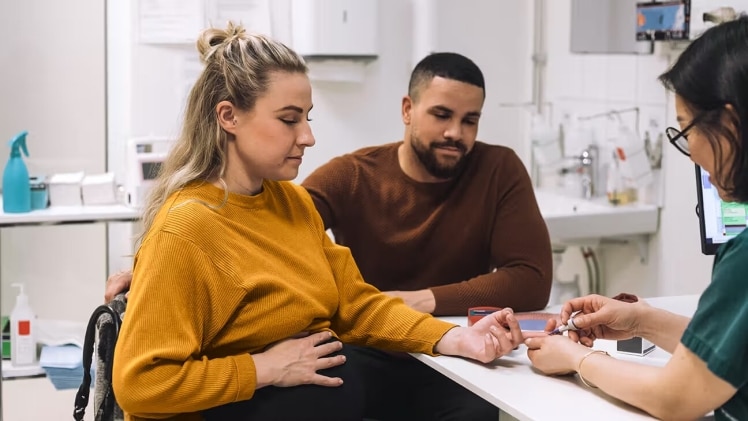
As diabetes continues to rise globally, it’s critical to understand who should be screened for this condition and why. Screening for diabetes helps detect the condition early on, often before symptoms appear. It allows individuals to manage it proactively. However, not everyone is at equal risk.
High-risk populations should prioritize diabetes screening to catch the disease early and prevent complications. Some genetic screenings, like the Diabetogen Screening, can reveal if someone has a genetic predisposition for Type 2 Diabetes. It helps identify high-risk individuals who might benefit from further lifestyle changes or medical monitoring. Let’s find out who should get tested for it!
Who Is Considered High Risk?
Certain populations are at a higher risk for diabetes based on genetics, lifestyle, and health factors. Recognizing these can help target efforts:
- Family History: If close family members have diabetes, the risk increases. Genetics plays a role in this, especially in Type 2.
- Obesity: Excess weight, particularly around the abdomen, increases insulin resistance.
- Age: While diabetes can occur at any age, people over 35 are generally at higher risk.
- Lifestyle Factors: Smoking, sedentary lifestyle, and poor diet all contribute to risk.
- Other Health Conditions: Conditions like high blood pressure, high cholesterol, and polycystic ovary syndrome (PCOS) also correlate with risk.
Why Get Screened for Diabetes?
Diabetes is a manageable condition, but early detection is key. Here’s why screening is crucial for high-risk individuals:
- Early Intervention: Catching the disease early allows for prompt lifestyle or dietary changes and possibly medication, significantly reducing complications.
- Preventing Complications: Uncontrolled diabetes can lead to heart disease, kidney damage, nerve damage, and vision problems. Early management helps prevent these.
- Personalized Health Decisions: Screening can provide valuable information for making lifestyle and dietary choices. Genetic ones, for example, can inform people if they need more frequent health check-ups or if they should focus on specific lifestyle changes.
When Should High-Risk Individuals Get Screened?
Recommendations vary, but high-risk individuals are generally advised to start regular screening at age 35. For those with several risk factors, such as a family history of diabetes and obesity, screening may be recommended earlier. The frequency can depend on initial results and health status, with some people needing annual screenings, while others may need it every three years.
Types of Tests
Here are the main types of tests used for diabetes screening:
- FPG Test: Measures blood glucose after an 8-hour fast. This test can reveal fasting glucose levels, indicating how well the body manages sugar levels at rest.
- OGTT: After fasting, a person consumes a sugary drink, and blood glucose levels are checked over a few hours. It helps reveal how efficiently the body processes glucose.
- HbA1c Test: This measures average blood glucose over the past 2-3 months. It provides a broader view of blood sugar management. It doesn’t require fasting, which makes it more convenient for some.
- Genetic Screening: Tests like Diabetogen Screening assess genetic predisposition for Type 2 by analyzing genetic markers associated with the condition. These tests are especially useful for people with a family history of diabetes or for those curious about their genetic risk.
How Can Screening Help High-Risk Groups Specifically?
For those at high risk, knowing their status can be the first step toward proactive health management. For example:
- Family History: Understanding a genetic predisposition can motivate earlier lifestyle changes, like more frequent exercise or a balanced diet, to lower risk.
- Lifestyle Factors: If lifestyle factors are driving the risk, results can provide a wake-up call to change habits.
- Age: Older adults may assume certain symptoms, like fatigue, are age-related, but a screening can reveal underlying diabetes.
Diabetes screening, especially for high-risk populations, is an essential preventive tool. Understanding your risk allows for early intervention, whether that means lifestyle changes, regular monitoring, or medical treatment. The proactive approach helps prevent complications, ensuring you can lead a healthier, more balanced life.
