


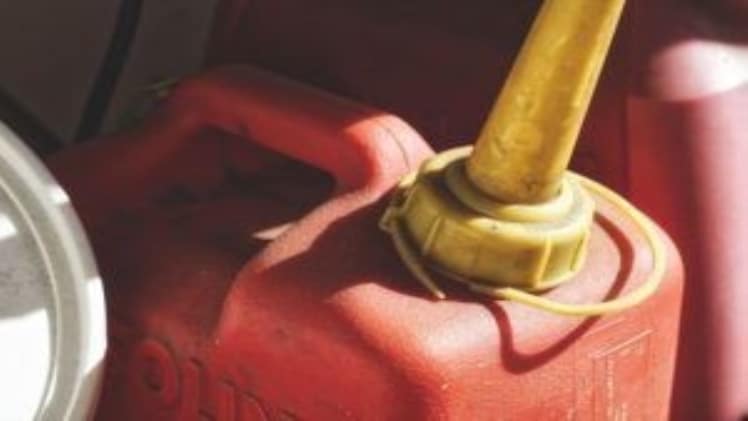
Gas cans are commonly used around homes, garages, and worksites to store and transport gasoline. While they may seem harmless, gas cans can be extremely dangerous if mishandled—or if they’re defective.
Unfortunately, many people have been injured due to a gas can explosion, often without realizing that a faulty product may be to blame. If you or someone you know has suffered injuries from a gas can explosion, it’s worth speaking with a defective product attorney who understands how to investigate these incidents. To help protect yourself and your loved ones, here are five safety tips that can reduce the risk of gas can explosions:
1. Store Gas Cans in Cool, Well-Ventilated Areas
Keep gas cans away from direct sunlight, heaters, or enclosed spaces that can trap heat. When gasoline heats up, pressure builds inside the container, increasing the risk of a rupture or explosion. Always store gas cans in a garage or shed with proper airflow, and never leave them inside a vehicle or near open flames.
2. Always Use Approved Gas Cans
Make sure you’re using a gas can that meets federal safety standards and is approved by organizations like OSHA or the Department of Transportation. Approved containers are made with safety features that help prevent explosions, like pressure-relief valves and child-resistant closures.
Steer clear of old, worn-out cans or those made from questionable materials. If your gas can doesn’t have a flame arrestor—a small metal screen that prevents external flames from reaching the vapors inside—it may be more dangerous than you think.
3. Avoid Overfilling and Spillage
It might be tempting to fill the gas can to the top, but leaving some space allows gasoline to expand safely. Overfilling can lead to spills, and spilled gasoline increases the risk of fire. Use a funnel or a spout designed for easy pouring, and wipe off any excess fuel from the outside of the can after use.
Accidental spills combined with static electricity or heat sources are common causes of fires and explosions, and in many cases, the product itself doesn’t have the safeguards it should. That’s when a defective product attorney can step in to determine whether negligence played a role.
4. Never Pour Gasoline Near Open Flames or Hot Equipment
People often refuel hot lawnmowers or generators without giving them time to cool down. That heat can ignite gasoline vapors instantly. Take your time, turn off the engine, and let things cool before you reach for that gas can. A single careless moment can lead to serious injury—or worse.
5. Understand The Risks of Static Electricity
Gasoline vapors are highly flammable. When you pour gas from one container to another or when you’re refueling equipment, static electricity can build up. A tiny spark is all it takes to ignite those vapors.
To reduce this risk, place the gas can on the ground while filling it, and avoid using plastic funnels or surfaces that might generate static. Grounding the container properly can make a huge difference in keeping you safe.
What To Do If You’ve Been Injured
If you’ve been injured due to a gas can explosion, don’t assume it was your fault. Many injuries are caused by poorly designed or defective containers. A defective product attorney can help you understand your legal rights, investigate whether the gas can meets safety standards, and potentially seek compensation on your behalf.
