



If you’re a parent in the U.S. constantly hunting for better diaper options, you might’ve already stumbled upon the buzz around Japanese diapers. And if you haven’t — now’s the time. These aren’t just another cute import with quirky packaging. They’re gaining attention across American households for a very real reason: they’re changing the way parents approach comfort, reliability, and baby care. So what’s the big deal? Let’s break it down.
Comfort That Feels Like a Hug
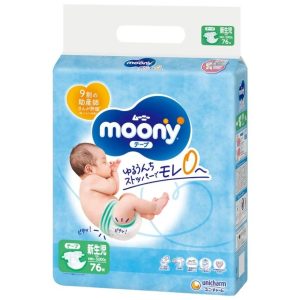
Before anything else, parents want their babies to feel comfortable. Japanese diaper brands, like Merries and Moony, aren’t just soft — they’re cloud-like. While many American brands are thick and stiff in structure, Japanese ones use ultra-thin, breathable materials that feel gentle against a baby’s sensitive skin.
The inner lining is designed to reduce friction, helping prevent rashes even during the stickiest, sweatiest summer days. You’d think thinner means leakier, but that’s the beauty here — it doesn’t. It means smarter layering, smarter materials, and an overall smarter design. Babies move a lot, and these diapers move with them.
Absorbency That Actually Holds Up
Every diaper brand claims they’re absorbent, but Japanese diapers really prove it. Instead of relying on bulky padding, they use advanced absorption tech that locks in moisture without ballooning up or clumping awkwardly.
This isn’t just about keeping clothes dry. It’s about reducing the number of times you need to change diapers overnight, letting both baby and parents sleep better. For tired American parents used to 3 a.m. changes, that’s a serious win.
Details That Make All the Difference
It’s not just the materials or fit. Japanese diapers are packed with thoughtful touches that make daily parenting smoother. The back waistband, for instance, is elastic but soft, helping contain blowouts better without digging into the baby’s skin. The wetness indicators are always reliable and clear, making guessing games a thing of the past.
Add to that the fact that most Japanese brands are fragrance-free, dye-free, and lotion-free — which is a godsend for babies with extra-sensitive skin — and you’ve got a product that feels like it was made by parents who get it.
Why Parents Are Making the Switch
American moms and dads aren’t just curious — they’re converting. Social media is flooded with testimonials and side-by-side comparisons showing how Japanese diapers outperform the usual go-to brands sold at big-box stores. And while they’re often pricier, parents are realizing it’s one of those areas where spending a bit more upfront saves stress (and clothes, and furniture) in the long run.
Here are a few reasons why families are leaving U.S. brands behind:
- Softer materials mean fewer skin issues and less crying.
- Better fit equals fewer leaks and more freedom for active babies.
- Higher absorbency helps babies (and parents) sleep through the night.
- Thoughtful design makes changing faster and cleaner.
- Fragrance-free and chemical-conscious builds reduce allergic reactions.
All these things add up to more than just convenience — they add up to peace of mind.
A Smart Option for Sensitive Skin
If your baby deals with eczema, recurring rashes, or just general irritation, then you’re probably familiar with the trial-and-error game of switching brands. Japanese diapers take a lot of the guesswork out of that process. Their commitment to purity and gentleness gives them an edge, especially when dermatologists start recommending them to concerned parents.
This isn’t just clever marketing. It’s the result of years of prioritizing comfort and skin health over cost-cutting. In Japan, these standards are the norm. For Americans, they feel like a luxury — but they shouldn’t be.
Not Just for Babies — Peace of Mind for Parents
We often focus on what’s best for the baby (as we should), but it’s worth noting what these diapers do for the parent. Less laundry. Fewer nighttime wake-ups. Less anxiety about rashes or leaks. In the long grind of early parenthood, that stuff adds up.
Even the packaging is parent-friendly — most come with resealable tops or convenient carrying handles, making them easier to store and transport. Little details like this might seem small, but they add up when you’re juggling a thousand other things on zero sleep.
Final Thoughts: Worth the Hype?
In short — yes. Japanese diapers aren’t just hype or a niche trend. They’re well-designed, baby-tested, and increasingly parent-approved. They won’t solve every parenting problem, but they do one job incredibly well, and sometimes that’s enough to shift an entire daily routine for the better.
If you’re frustrated with leaks, worried about skin irritation, or just looking to upgrade your diapering game, this might be your sign to give them a shot. You just might find that a better diaper changes more than just your baby — it changes your day.
