


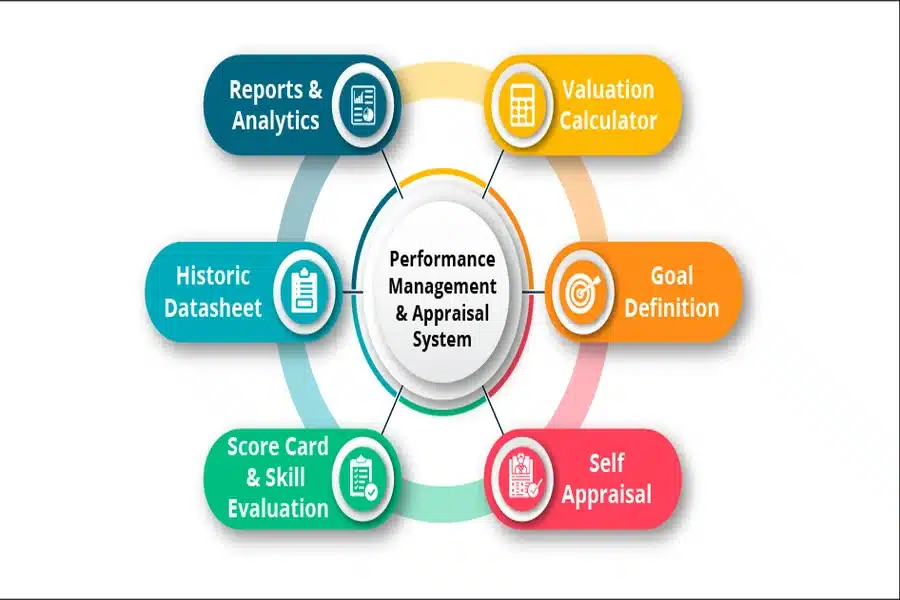
Organizations use performance management software to structure employee development and monitor progress over time. Performance conversations are easier to manage when goals, feedback, and data are in a single system. Leaders can track performance more accurately, and employees understand the concrete steps needed to meet their goals. Here are some of the benefits of implementing performance review software:
Improves Goal Visibility
Teamwork improves when expectations are defined and accessible. Centralized objectives allow employees to see what they are working toward and how their efforts connect to broader company goals; this visibility reduces uncertainty and helps maintain focus on meaningful tasks. Managers gain a clearer view of team progress and can request updates directly within the system, rather than searching through scattered documents.
When priorities are shared and transparent, collaboration becomes smoother. Teams coordinate more effectively, and progress is easier to track across projects. Clear goals and accessible information support consistent communication and alignment throughout the organization.
Supports Feedback Culture
Annual reviews do not capture work as it happens. Employees benefit from feedback that reflects weekly progress rather than just yearly milestones. A structured platform allows managers to record observations and offer guidance while projects are still in motion. Frequent discussions create stronger connections between teams and leaders, and employees are able to see what strategies are effective and adjust quickly when changes are needed. Ongoing communication helps maintain trust and supports continuous development. By addressing issues and successes in real time, teams stay aligned and adaptable.
Monitors Improvement Regularly
Organizations benefit when performance data is kept organized. Performance management software shows progress updates in real time, rather than waiting for review cycles. Dashboards allow leaders to see both completed tasks and areas that need attention; this information helps managers respond promptly. If targets fall behind, they provide guidance before delays grow. Teams stay accountable, and collaboration across departments continues smoothly. By keeping everyone informed, progress is monitored consistently and adjustments are made as needed.
Supports Fair Evaluations
Performance reviews can be affected by incomplete information or personal bias. Online tracking provides a continuous record of employees’ contributions over time. Documented feedback and goal updates create a more complete view of performance.
Managers rely less on memory and more on observable evidence when evaluating work. This approach supports fairer assessments and helps maintain team morale. By using consistent records, organizations make evaluation decisions that are more transparent and reliable.
Simplifies Leadership Decisions
Decisions benefit when relevant information is readily available. Performance management software collects data that reveals trends across teams, roles, and departments. Leaders can see strengths, resource needs, and emerging challenges without relying on time-consuming manual reports.
Planning discussions and talent reviews are informed by clear, accessible data. Managers are able to recognize high performers earlier and provide guidance more effectively; this makes decision-making faster and more straightforward. By keeping information centralized, organizations maintain a consistent view of performance across the company.
Learn More About Performance Management Software
Performance evaluation software brings order, transparency, and valuable feedback to daily work. It organizes performance information, making discussions about progress clearer and easier to follow. Explore how modern performance management will support your organization’s workflow by finding a reliable provider today.
