


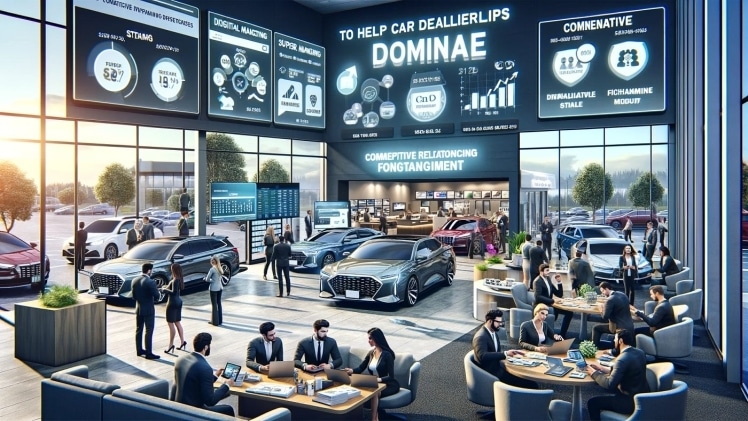
Key Takeaways:
- Understand how car dealerships are adapting to modern marketing trends.
- Discover the role of technology and customer preferences in shaping new strategies.
- Learn how successful dealerships are integrating digital marketing tactics.
Introduction: The Changing Landscape of Car Dealership Marketing
The car dealership industry is in a transformative phase. Gone are the days when glossy newspaper ads or flashy billboards were enough to lure potential buyers. Today, the explosion of digital avenues has reshaped how dealerships engage with their audiences. This shift is not merely a trend but a necessary evolution to meet the modern consumer’s demands. With more buyers starting their vehicle purchasing journey online, the need for dealerships to adopt a comprehensive digital marketing strategy is paramount.
A focal point in this transformation is the strategic use of SMS marketing for car dealerships. By crafting personalized text messages that resonate with potential buyers, dealerships can create a direct line of communication, increasing engagement and fostering customer loyalty. This article examines these shifts and delves into the strategies for redefining the industry.
The Rise of Personalized Communication
In a world where personalization is king, dealerships are discovering the power of tailored communication. As consumers receive saturated streams of advertising messages, personalized marketing has become a differentiator. By harnessing data analytics, dealerships can send personalized messages that align with consumer preferences and purchasing behavior. These efforts are more than just tactics; they’re a strategic shift to individual engagement.
Consider how dealerships can leverage personalized marketing strategies to alert potential buyers about vehicle maintenance reminders, exclusive deals, or new vehicle arrivals. This ability to craft communications that speak to individual needs bolsters conversion rates and cultivates long-standing customer relationships. It combines knowledge, strategy, and execution, advancing dealers’ interaction with their clientele.
The Role of Technology in Modern Marketing
Technology’s impact on marketing has revolutionized car dealerships’ operational and strategic dimensions. By integrating advanced technology like AI and machine learning, dealerships are not only automating routine tasks. Still, they are diving deep into analytics that drives decision-making processes. These advancements enable a predictive understanding of consumer activities, allowing dealerships to tailor their marketing initiatives accurately.
Beyond analytics, technological tools such as chatbots, virtual reality, and online configurators have become indispensable. These innovations simplify the customer journey, allowing prospective buyers to interact with products unprecedentedly. Whether using virtual reality to explore a car’s features or chatbots facilitating real-time customer service, dealerships can craft seamless, engaging experiences that entice today’s tech-savvy customers.
Social Media: A Powerful Tool for Customer Engagement
Social media remains an unparalleled force in driving customer engagement within the car dealership sector. With platforms like Instagram offering visually rich content and Facebook facilitating community-driven interaction, dealerships have potent channels to broaden their reach and influence. Effective social media strategies extend beyond mere inventory posting; they involve creating interactive, community-centric content that resonates with audiences.
Engagement through initiatives like live virtual tours, question-and-answer sessions, and sharing customer testimonials allows dealerships to develop an authentic connection with prospective buyers. Building a dynamic social media presence uniquely positions dealerships to collect valuable insights into consumer interests and preferences. This enables continuous refinement of marketing strategies to suit customer expectations.
Challenges Faced by Dealerships in Adapting to New Marketing Methods
Despite the clear advantages of modern marketing strategies, the transition poses several challenges for dealerships. The high initial costs required for adopting new technologies and the training necessary to fully leverage these tools represent significant barriers. Additionally, dealerships must stay agile, constantly adapting to rapidly shifting digital trends and consumer behaviors.
However, the benefits outweigh the obstacles for dealerships willing to meet these challenges head-on. By investing in their workforce and fostering an adaptive organizational culture, dealerships can overcome these hurdles and secure a competitive edge in the marketplace. Recognition of these challenges leads to innovative solutions, ensuring that modern marketing approaches are effective and efficient.
Consumer Preferences: What Today’s Car Shoppers Want
Car shoppers today are more informed and more demanding. With a wealth of information available online, they arrive at dealerships armed with knowledge and stringent expectations. They seek transparency, opting for dealerships that offer clear pricing, detailed vehicle information, and straightforward purchasing processes. Moreover, they desire convenience, often preferring dealerships that provide comprehensive online services, from virtual tours to digital financing applications.
Dealerships that succeed focus on delivering educational content that addresses these consumer needs. Vehicle reviews, comparison charts, and price transparency tools have become invaluable assets. By facilitating an informed and straightforward purchasing journey, dealerships can enhance customer satisfaction, earn trust, and drive sales.
Future Trends in Car Dealership Marketing
The marketing landscape for car dealerships will continue to evolve, driven by technological advancements and shifting consumer expectations. Emerging trends such as virtual showrooms and augmented reality experiences promise to redefine the car shopping experience. These technologies allow buyers to explore vehicles in an immersive digital environment, potentially increasing dealership engagement and satisfaction.
Furthermore, according to industry analysis reports, dealerships that invest in futuristic technologies and focus on delivering personalized, customer-centric experiences will dominate the competitive landscape. Embracing these trends meets contemporary demands and paves the way for future success, ensuring dealerships remain agile and relevant in a rapidly evolving market.
