


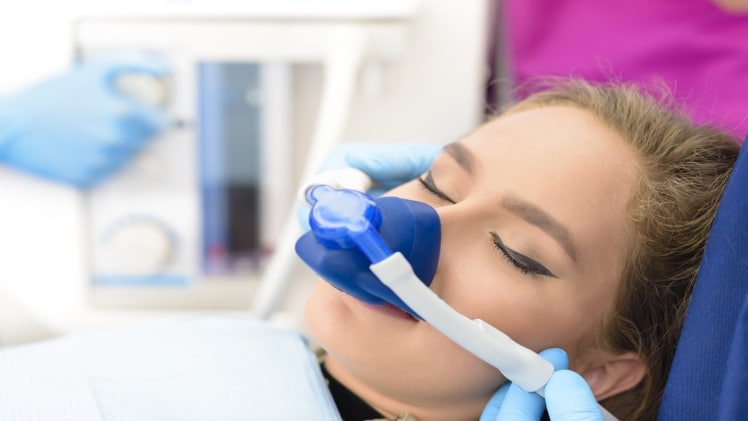
Dental procedures can be daunting, especially for those with anxiety. IV sedation, as offered by Brisbane Dental Sleep Clinic (brisbanedentalsleepclinic.au), provides a way to ease these fears while ensuring comfort during treatment. This article explores what to expect during a dental procedure with IV sedation, highlighting its benefits and helping patients feel more informed and at ease.
Key Takeaways:
Understanding IV Sedation: IV sedation is a safe method that delivers sedative medications directly into the bloodstream, leading to immediate relaxation during dental procedures.
Benefits of IV Sedation: Key advantages include rapid effects, adjustable sedation levels, reduced anxiety, potential amnesia regarding the procedure, and enhanced comfort for longer treatments.
Preparation Steps: Patients should have an initial consultation to discuss their medical history and follow pre-procedure instructions, such as fasting and arranging for post-treatment transportation.
Monitoring During Procedure: Continuous monitoring of vital signs ensures patient safety while dental professionals provide tailored sedation to maintain comfort.
Post-Procedure Recovery: Patients may experience grogginess and disorientation after sedation, and it’s essential to follow specific aftercare guidelines for a smooth recovery, such as staying hydrated and resting.
Importance of Communication: Effective communication with the dental team throughout the process helps alleviate anxiety and ensures a more comfortable experience during dental procedures.
Understanding IV Sedation
IV sedation, or intravenous sedation, provides a safe and effective way to manage anxiety and discomfort during dental procedures. This method delivers sedative medications directly into the bloodstream, producing a calming effect almost immediately.
What Is IV Sedation?
IV sedation involves the administration of sedative drugs through a vein, allowing for rapid onset of relaxation. A trained dental professional monitors the patient’s vital signs throughout the procedure to ensure safety. Patients remain conscious and responsive, but experience reduced anxiety and potential memory loss regarding the procedure itself.
Benefits of IV Sedation
IV sedation offers several key advantages:
Rapid Effect: The sedative acts quickly, often within minutes, providing immediate relief.
Adjustable Levels: Sedation levels can be tailored during the procedure to meet the patient’s needs.
Reduced Anxiety: Many patients report feeling significantly less anxious and more at ease.
Amnesia: Patients often experience partial or complete amnesia regarding the procedure, making the experience less trauatic.
Comfort During Treatment: Enhanced comfort allows for longer procedures without added stress, facilitating comprehensive dental care.
Utilising IV sedation can significantly enhance the dental experience, promoting a more relaxed environment for procedures.
Preparing for Your Dental Procedure
Preparing for a dental procedure with IV sedation involves specific steps to ensure safety and comfort. Patients must understand these steps to facilitate a smooth process.
Initial Consultation
During the initial consultation, the dentist evaluates the patient’s medical history, dental needs, and anxiety levels. This assessment helps determine the appropriateness of IV sedation. Patients should ask questions about the procedure and sedation type. Discussing any medications, allergies, or health conditions is crucial, as these factors influence sedation choices. The dentist may recommend necessary pre-procedure tests, such as blood work, to optimise safety.
Pre-Procedure Instructions
Pre-procedure instructions are essential for a successful experience. Patients must fast for a specific period before the appointment, typically six to eight hours. This precaution minimises risks associated with sedation. Patients should arrange for a responsible adult to accompany them home after the procedure due to the effects of sedation. Discussing regular medication schedules with the dentist allows proper planning. Following these instructions ensures a safe and effective dental procedure, enhancing comfort and reducing stress.
During the Dental Procedure
During a dental procedure with IV sedation, patients experience a relaxed state while remaining conscious. This allows for effective communication with the dental team while reducing anxiety.
Administration of IV Sedation
The administration of IV sedation occurs in a controlled environment. Dental professionals insert a small IV catheter into a vein, usually in the arm. They’ll then deliver sedative medications directly into the bloodstream. This method ensures rapid onset of sedation, enabling immediate relaxation. Dosage can be adjusted throughout the procedure, providing tailored sedation according to individual comfort levels.
Monitoring and Comfort
Monitoring during the procedure is crucial for patient safety. Dental teams utilise advanced equipment to track vital signs, such as heart rate, blood pressure, and oxygen levels. They remain vigilant for any signs of discomfort or adverse reactions. Patients receive additional support through blankets or pillows to enhance comfort. Continuous communication reassures patients, helping them feel secure throughout the dental treatment.
Post-Procedure Recovery
After dental procedures involving IV sedation, recovery varies depending on individual circumstances. Patients typically experience an initial period of grogginess as the sedative wears off. This phase often includes lingering drowsiness, which may last a few hours.
What to Expect After Sedation
Patients should expect to feel disoriented or sleepy for several hours. Reactions may include mild confusion or impaired coordination. It is common to experience a gap in memory concerning the treatment itself. Monitoring vital signs continues during this recovery phase to ensure patient safety. Patients may also notice delayed responses to stimuli as the sedative fully dissipates.
Aftercare Instructions
Following the procedure, post-operative care is essential for a smooth recovery. Patients should follow these aftercare guidelines:
Hydration: Drink clear fluids to stay hydrated and assist in flushing out sedatives.
Rest: Prioritise rest for the remainder of the day, avoiding strenuous activities.
Diet: Start with soft foods before gradually returning to a normal diet if instructed by the dentist.
Medications: Take prescribed medications as directed to manage pain or discomfort.
Transportation: Arrange for a responsible adult to drive home as reflexes may still be impaired.
Healthcare providers often provide specific instructions tailored to individual needs, and adherence to these will facilitate a smoother recovery process.
Conclusion
Dental procedures with IV sedation provide a pathway to a more comfortable experience for those who struggle with anxiety. Understanding the process from preparation to recovery helps patients feel more at ease. The careful management of sedation ensures safety and effectiveness during the procedure.
Post-operative care plays a crucial role in ensuring a smooth recovery. By following the aftercare instructions and seeking guidance from healthcare providers, patients can navigate the recovery phase with confidence. Ultimately, IV sedation can transform the dental experience into a more positive and manageable journey.e care plays a crucial role in ensuring a smooth recovery. By following the aftercare instructions and seeking guidance from healthcare providers, patients can navigate the recovery phase with confidence. Ultimately, IV sedation can transform the dental experience into a more positive and manageable journey.geable journey.e care plays a crucial role in ensuring a smooth recovery. By following the aftercare instructions and seeking guidance from healthcare providers, patients can navigate the recovery phase with confidence. Ultimately, IV sedation can transform the dental experience into a more positive and manageable journey.
