


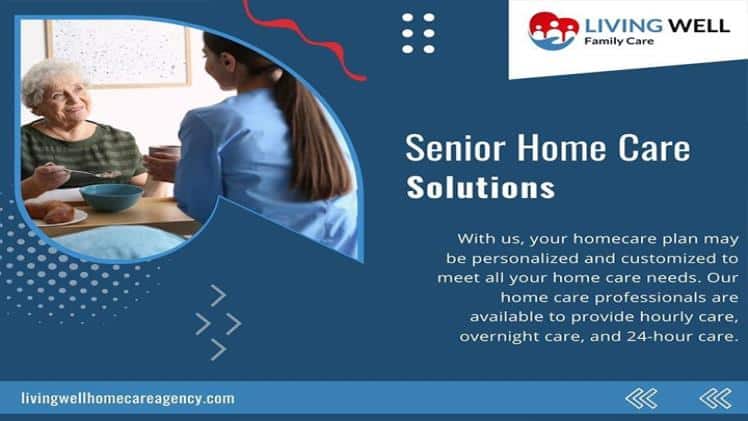
If you need reliable and compassionate care for your loved ones, let’s explore the best solutions to meet every need.
Home care services have emerged as a vital solution, offering support to those who need assistance while allowing them to remain in the comfort of their homes. But not all home care is created equal—personalization is the key to ensuring that each individual’s unique needs are met. This article delves into the significance of personalized services for home care and how they can provide tailored solutions for every need.
Understanding Home Care Services
A broad range of support services are included in-home care services, all aimed at helping people with everyday living tasks, health requirements, and mental health. These services can be classified into several categories, including:
- Medical Home Care: This type of care is provided by licensed healthcare professionals, such as nurses and therapists, who assist with medical needs like medication management, wound care, and physical therapy.
- Non-Medical Home Care: Focused on helping with daily activities such as bathing, dressing, meal preparation, and light housekeeping, non-medical care is typically provided by caregivers or aides.
- Companionship Care: Designed to address the social and emotional needs of individuals, companionship care provides interaction, conversation, and activities that promote mental well-being.
These services are particularly beneficial for the elder live in care, individuals with chronic illnesses, those recovering from surgery, and people with disabilities. By offering the necessary support at home, these services enable individuals to maintain their independence and improve their quality of life.
The Importance of Personalized Care
While standard home care services can provide essential support, personalized care takes it a step further by tailoring the care plan to the specific needs, preferences, and lifestyle of the individual. This customization is crucial for several reasons:
- Improved Outcomes: Personalized care has been shown to lead to better health outcomes, as it takes into account the unique medical and personal needs of the individual. For example, a customized medication schedule or a specialized diet plan can significantly enhance the effectiveness of care.
- Enhanced Comfort: Personalization ensures that the care provided aligns with the individual’s routine and preferences, reducing stress and increasing comfort. Whether it’s adjusting meal times, selecting preferred activities, or accommodating religious practices, personalized care respects the individual’s way of life.
- Holistic Well-Being: By addressing not just physical needs but also emotional and social aspects, personalized care fosters a holistic approach to well-being. For instance, incorporating hobbies, social interactions, and mental health support can greatly improve the overall quality of life.
Key Components of Personalized Services for Home Care
To achieve the benefits of personalized care, several key components must be in place:
- Assessment and Planning: The foundation of personalized care lies in a thorough assessment of the individual’s needs. This involves a comprehensive evaluation by a care coordinator or healthcare professional, who will consider factors such as medical history, physical abilities, mental health, and personal preferences. Based on this assessment, a customized care plan is developed.
- Types of Personalized Care: Personalization can manifest in various ways, depending on the individual’s needs. For instance, someone recovering from surgery might require a care plan that includes specific physical therapy exercises and wound care, while an elderly person with dementia might benefit from a routine that provides familiarity and mental stimulation.
- Adapting to Changing Needs: As an individual’s condition or circumstances change, their care plan should be flexible enough to adapt. Personalized services for home care are dynamic, allowing for adjustments to be made as needed. For example, if an individual’s mobility decreases, additional support can be provided to prevent falls and ensure safety.
Benefits of Personalized Services for Home Care
The benefits of personalized services for home care are far-reaching and impactful, both for the individual receiving care and their family members.
- Enhanced Quality of Life: Personalized care significantly contributes to an individual’s quality of life. By addressing specific needs and preferences, it helps individuals maintain their dignity, independence, and happiness. Whether it’s continuing a beloved hobby or receiving meals that cater to dietary restrictions, personalized care adds a layer of satisfaction and contentment to daily life.
- Independence and Comfort: One of the primary goals of home care is to allow individuals to remain in their own homes, where they feel most comfortable. Personalized care ensures that this independence is maintained by providing just the right level of support, enabling individuals to continue living their lives as they choose.
- Family Support and Peace of Mind: Personalized care not only benefits the individual but also provides immense relief to family members. Knowing that their loved one is receiving care tailored to their specific needs offers peace of mind. Additionally, personalized care often includes regular communication with family members, keeping them informed and involved in the care process.
Choosing the Right Home Care Provider
Selecting the right home care provider is a crucial decision that requires careful consideration. Here are some key factors to keep in mind when evaluating providers:
- Experience and Qualifications: Ensure that the provider has experience in offering the type of care required, whether it’s medical, non-medical, or companionship care. The caregivers should be trained, licensed, and experienced in their respective fields.
- Personalization Capabilities: Not all providers offer the same level of personalized care. Look for a provider that emphasizes customization and has a proven track record of adapting care plans to meet individual needs. Ask about their process for assessing needs and developing care plans.
- Reputation and Reviews: Research the provider’s reputation by reading reviews and testimonials from other clients. A provider with a strong reputation for personalized care is more likely to deliver quality service.
- Questions to Ask: When interviewing potential providers, consider asking the following questions:
- How do you assess an individual’s needs and preferences?
- What steps do you take to personalize care?
- How do you handle changes in care needs over time?
- Can you provide examples of how you’ve tailored care for other clients?
Personalized services for home care are more than just a trend—they are a necessity for ensuring that individuals receive the care and support they need in a way that respects their unique circumstances. By choosing a provider that offers personalized care, you can help your loved one maintain their independence, enhance their quality of life, and enjoy the comfort of home. If you or someone you know could benefit from personalized services for personal care, consider reaching out to a provider who can tailor their care solutions to meet every need.
