


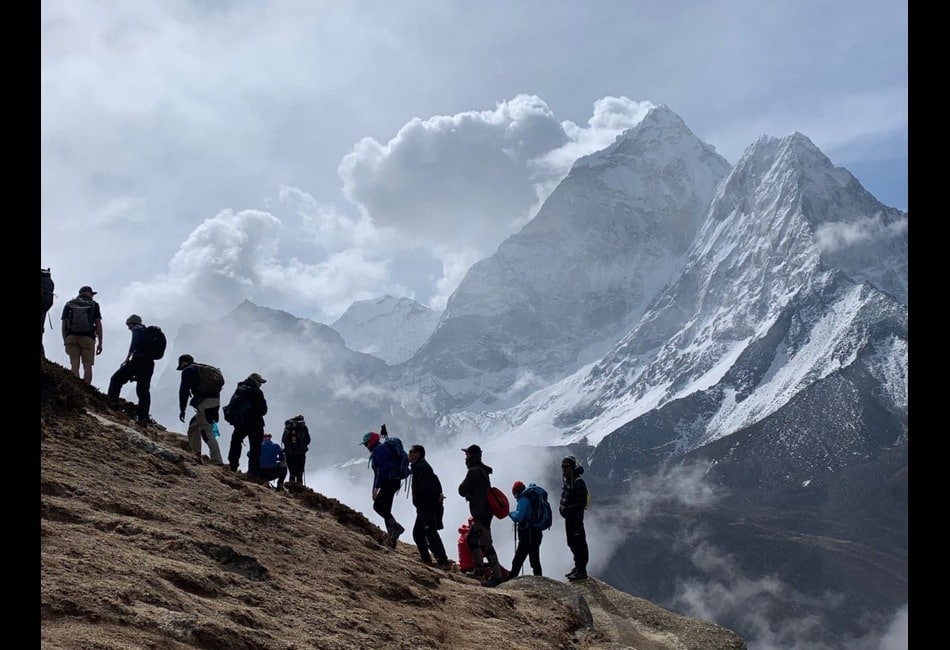
Embarking on the Everest Base Camp trek requires careful preparation, and having the right gear can make a significant difference in ensuring a successful and enjoyable experience. Among the essential items for this high-altitude adventure, five key essentials stand out for their importance in meeting the demands of the trek.
Firstly, quality trekking boots are indispensable. These boots should be durable, provide excellent ankle support, and have a good grip to navigate the rugged and often uneven terrain. Properly fitted boots help prevent blisters and injuries, ensuring comfort throughout the trek, which is crucial given the long hours of walking each day. Alongside the boots, having a well-fitted backpack is vital. The backpack should be comfortable, with adjustable straps and a proper fit to carry necessary gear and supplies. It’s important that the backpack is large enough to hold essentials but not so cumbersome that it hampers movement.
Another crucial item is layered clothing. The Everest Base Camp Short trek takes trekkers through a wide range of temperatures, from the warmth of the lower altitudes to the biting cold at higher elevations. A layering system, including moisture-wicking base layers, insulating mid-layers, and waterproof outer layers, allows trekkers to adjust their clothing to changing weather conditions and maintain comfort. Proper layering helps in managing sweat and regulating body temperature, which is essential for both comfort and safety.
Additionally, a high-quality sleeping bag rated for cold temperatures is essential. Nights at high altitudes can be extremely cold, and a sleeping bag that can provide adequate warmth is crucial for restful sleep. Many lodges along the trek offer basic bedding, but having a sleeping bag with a suitable rating ensures a better night’s sleep and adds an extra layer of warmth.
Finally, having a reliable water purification system is crucial. While clean drinking water is available at teahouses along the trail, it is advisable to have a water purification method to ensure that the water consumed is safe. Options such as water purification tablets or filters can help avoid waterborne illnesses and provide peace of mind, especially when trekking through more remote areas.
Together, these essentials—trekking boots, a comfortable backpack, layered clothing, a warm sleeping bag, and a water purification system—form the foundation of a well-prepared trek. Each item plays a critical role in ensuring that trekkers can handle the physical demands of the Everest Base Camp journey, stay comfortable and safe, and fully enjoy the breathtaking adventure.
Introduction to EBC Trekking Essentials
The Everest Base Camp trek equipment is an iconic adventure that requires meticulous planning and the right equipment to ensure a successful journey. Understanding the essentials for trekking this challenging route is crucial for both comfort and safety. Essential gear includes clothing, footwear, hydration solutions, and nutrition—all of which play a significant role in managing the trek’s physical demands and varying weather conditions. Preparing adequately involves not only selecting the right gear but also understanding how each item contributes to the overall trekking experience. Proper preparation helps mitigate risks associated with high-altitude trekking and enhances the enjoyment of one of the world’s most spectacular adventures. By focusing on these core essentials, trekkers can confidently tackle the rugged terrain and unpredictable weather of the Everest region while fully appreciating the breathtaking landscapes and cultural encounters along the way.
Essential Gear: Footwear
Footwear is arguably one of the most critical components of gear for the Everest Base Camp trek. Trekking boots should be well-constructed, offering excellent ankle support and durability to handle the rough and varied terrain. The boots should also have a rugged, non-slip sole to provide traction on both rocky paths and slippery surfaces, which are common in the high-altitude environment. It’s essential that the boots are broken in before the trek to avoid blisters and ensure comfort during long hours of hiking. Additionally, considering boots with waterproof features is beneficial, as weather conditions can be unpredictable, and trekkers may encounter snow or rain. A well-chosen pair of trekking boots can make a significant difference in managing the trek’s physical demands and ensuring a more comfortable and enjoyable journey.
Clothing Layers for Varying Conditions
Effective layering is key to managing the diverse weather conditions encountered during the Everest Base Camp trek. The layering system typically includes a moisture-wicking base layer, an insulating mid-layer, and a waterproof outer layer. The base layer, made from materials such as merino wool or synthetic fibers, helps regulate body temperature by wicking moisture away from the skin. The mid-layer provides insulation and retains body heat, which is crucial as temperatures drop, particularly at higher altitudes. Fleece or down jackets are popular choices for this layer. The outer layer, which should be waterproof and windproof, protects against rain, snow, and cold winds. This outer layer also allows for ventilation to prevent overheating. This flexible system enables trekkers to adjust their clothing according to changing temperatures and weather conditions, ensuring comfort and protection throughout the trek.
Hydration Solutions: Water Bottles and Filters
Staying hydrated is essential during the Everest Base Camp trek, and choosing the right hydration solutions can significantly impact health and comfort. Carrying durable, insulated water bottles is important, as they help maintain water temperature and are less prone to freezing in cold conditions. Water purification is another critical consideration, as access to clean drinking water can be limited. Portable water filters or purification tablets are recommended to ensure safe drinking water from natural sources or teahouses along the trail. These solutions help prevent waterborne illnesses and provide peace of mind in remote areas. Proper hydration supports physical performance, aids acclimatization, and reduces the risk of altitude sickness, making effective hydration solutions a crucial part of trekking gear.
Nutrition: Snacks and Meal Planning
Nutrition plays a vital role in sustaining energy levels and overall well-being during the Everest Base Camp trek. Meal planning should focus on high-energy foods that are easy to carry and prepare. Nutritious snacks such as trail mix, energy bars, and dried fruits provide quick and convenient sources of energy for the long hiking days. It’s also essential to plan for balanced meals, including options like instant noodles, soups, and rice dishes, which are commonly available at teahouses along the route. These meals should be high in carbohydrates and protein to fuel strenuous activity and aid recovery. Staying well-nourished helps maintain stamina, manage hunger, and support overall health, making thoughtful nutrition and snack choices crucial for a successful and enjoyable trekking experience.
Trekking Poles: Importance and Benefits
Trekking poles are a vital piece of equipment for the Everest Base Camp trek, offering numerous benefits that enhance both safety and comfort. These poles provide stability and balance on uneven terrain, reducing the risk of slips and falls, especially on steep or rocky paths. By distributing some of the weight from the legs to the arms, trekking poles also alleviate stress on the knees and joints, which is particularly beneficial during long descents. The poles can help conserve energy by improving walking efficiency and providing additional support, making uphill and downhill sections more manageable. Adjustable trekking poles are preferable, as they can be customized to different terrains and user preferences. Furthermore, trekking poles often come with features like shock absorbers and ergonomic grips, adding to their effectiveness and comfort. Overall, incorporating trekking poles into your gear can significantly enhance stability, reduce fatigue, and contribute to a more enjoyable trekking experience.
First Aid Supplies for the Trek
Carrying a well-stocked first aid kit is crucial for the Everest Base Camp trek, given the remote location and potential for injuries. Essential supplies should include bandages, antiseptic wipes, adhesive tape, and sterile gauze for treating minor cuts and blisters. Pain relievers such as ibuprofen or acetaminophen are important for managing discomfort and aches. Additionally, include medications for common ailments like diarrhea and nausea, as well as altitude sickness remedies, such as acetazolamide (Diamox). A thermometer, tweezers for removing splinters, and a pair of scissors are also useful. Ensure that the first aid kit is compact and lightweight but comprehensive enough to address potential medical needs. Having a well-prepared first aid kit can make a significant difference in managing minor injuries and health issues, contributing to a safer and more comfortable trekking experience.
Acclimatization Aids: Oxygen and Medications
Acclimatization aids are essential for coping with the high altitudes encountered during the Everest Base Camp trek map. One key aid is supplemental oxygen, which can be helpful for managing severe symptoms of altitude sickness and providing relief when breathing becomes difficult. While not always necessary, having a portable oxygen system can offer an added layer of safety for those prone to altitude issues. Medications such as acetazolamide (Diamox) are commonly used to accelerate acclimatization and reduce symptoms of altitude sickness. It is important to start taking these medications as advised by a healthcare professional before reaching higher altitudes. Additionally, carrying medications for treating altitude-related symptoms like headaches or nausea can be beneficial. Combining these aids with proper acclimatization practices—such as gradual ascent and acclimatization days—ensures better adaptation to the high-altitude environment and helps mitigate the risks of altitude sickness.
Navigation Tools: Maps and GPS Devices
Effective navigation tools are essential for the Everest Base Camp trek to ensure a safe and well-guided journey. Detailed topographic maps of the trekking route provide essential information about the trail, elevations, and landmarks, helping trekkers stay oriented and plan their daily hikes. GPS devices offer additional precision, allowing trekkers to track their location in real-time and navigate more confidently, particularly in areas where trail markings may be sparse or unclear. While GPS devices are valuable, they should be used in conjunction with traditional maps and a compass for reliability. Many trekkers also use mobile apps with GPS features that can be preloaded with the trek’s route information. It is important to be familiar with the operation of these navigation tools and ensure that electronic devices are charged and protected against the elements. Proper navigation helps in avoiding getting lost, managing time effectively, and ensuring a smoother trekking experience.
Shelter Solutions: Sleeping Gear
Adequate shelter solutions are critical for a comfortable and restful experience during the Everest Base Camp trek. A high-quality sleeping bag rated for extreme cold is essential, as temperatures at higher altitudes can plummet significantly, especially at night. Look for sleeping bags with down or synthetic insulation that can provide warmth in cold conditions while remaining compact and lightweight for easy packing. In addition to the sleeping bag, a durable sleeping pad is recommended to insulate against the cold ground and provide cushioning for a better night’s sleep. Many trekkers also use a sleeping bag liner for added warmth and hygiene. While basic bedding is provided by teahouses along the route, bringing your own sleeping gear ensures added comfort and protection against the cold. Proper shelter solutions are crucial for recovering from the day’s exertions and preparing for the next leg of the trek, making quality sleeping gear an important aspect of your trekking equipment.
Safety Equipment: Whistle and Headlamp
Safety equipment such as a whistle and headlamp plays a crucial role in ensuring safety and preparedness during the Everest Base Camp trek Cost. A whistle is a simple yet effective tool for signaling for help or attracting attention in case of an emergency. It’s particularly useful in situations where visibility is poor or when trekking in remote areas where assistance might be delayed. The whistle should be easily accessible, such as attached to the shoulder strap of a backpack. Similarly, a reliable headlamp is indispensable for navigating in low-light conditions or after dark. Since daylight hours can be limited, especially during winter months, having a headlamp ensures that trekkers can safely manage evening activities, such as setting up camp or navigating tricky sections of the trail. Modern headlamps with adjustable brightness and long battery life offer additional convenience and safety. Both items contribute significantly to trekking safety by enhancing visibility and communication in challenging situations.
Electronic Essentials: Power Banks and Chargers
In the remote and rugged terrain of the Everest Base Camp trek, maintaining power for electronic devices is essential for communication, navigation, and capturing memories. Power banks are indispensable for charging smartphones, cameras, and other electronic devices, as access to electricity can be limited or unavailable in remote areas. A high-capacity power bank can provide multiple charges, ensuring that devices remain operational throughout the trek. Additionally, a reliable charger is necessary for recharging power banks and other devices at available charging stations, often found in teahouses along the route. It’s wise to bring a universal adapter to accommodate different types of charging ports and to ensure compatibility with local power sources. Given the cold temperatures, keeping electronic devices warm and protected from extreme cold is also important, as low temperatures can affect battery performance. Properly managing electronic essentials ensures that trekkers stay connected, capture their journey, and navigate effectively.
The Role of a Good Backpack
A good backpack is a cornerstone of a successful Everest Base Camp trek, as it directly affects comfort, organization, and efficiency. The backpack should be well-designed with padded, adjustable straps and a supportive hip belt to distribute weight evenly and reduce strain on the back and shoulders. Features like multiple compartments and pockets help keep gear organized and easily accessible, allowing trekkers to efficiently pack and retrieve items. The backpack should also be of adequate size to hold essential gear, such as clothing, sleeping equipment, and food, without being excessively heavy or cumbersome. Waterproof covers or water-resistant materials are beneficial for protecting belongings from rain and snow. A well-chosen backpack contributes significantly to trekking comfort and convenience, allowing trekkers to move more freely and enjoy the journey without being bogged down by poorly designed or ill-fitting gear.
Mental Preparedness and Mindset
Mental preparedness and mindset are critical components for a successful Everest Base Camp trek. The trek is physically demanding and mentally challenging, requiring resilience and a positive attitude. Preparing mentally involves setting realistic expectations and being ready for the physical and emotional ups and downs of the journey. Embracing a mindset of adaptability and patience can help manage unexpected changes, such as weather conditions or delays. Developing a positive attitude and staying focused on the rewards of reaching base camp can enhance motivation and perseverance. It’s also beneficial to mentally prepare for the social aspects of the trek, including interacting with fellow trekkers and local communities. By fostering mental strength and a proactive mindset, trekkers can navigate challenges more effectively and maintain a sense of accomplishment and enjoyment throughout the adventure.
Conclusion: Packing for Success
Packing for the Everest Base Camp trek involves careful consideration of essential gear and equipment to ensure a successful and enjoyable journey. Proper packing starts with selecting high-quality and functional items, such as trekking boots, layered clothing, and a reliable backpack, each tailored to the unique demands of the trek. Safety equipment like a whistle and headlamp, along with electronic essentials such as power banks, further enhance preparedness and convenience. Mental preparedness and a positive mindset are also integral to navigating the trek’s challenges and fully appreciating the experience. By meticulously organizing and packing the right gear, trekkers set themselves up for a smoother adventure, allowing them to focus on the breathtaking landscapes, cultural encounters, and personal achievements that define the Everest Base Camp trek. Packing thoughtfully not only ensures physical comfort and safety but also contributes to a memorable and fulfilling trekking experience.
