


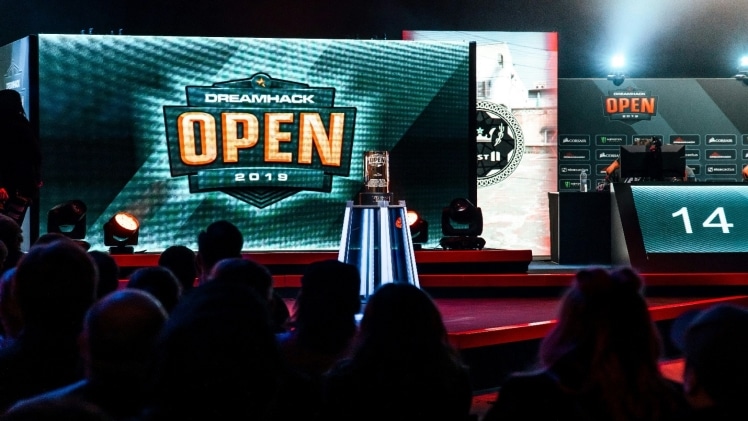
Esports. The term conjures images of teenagers glued to screens, furiously clicking away at keyboards and mice. But scratch beneath the surface, and you’ll find a meticulously organized, fiercely competitive landscape with millions of viewers and athletes pushing the boundaries of human reaction time and strategic thinking. Yet, the question lingers: is esports a legitimate sport?
The detractors often cite the lack of physical exertion. Traditional sports pride themselves on pushing the physical limits of the human body. Esports, however, focuses on mental acuity and hand-eye coordination. But is physical exertion the sole determinant of athleticism? Chess grandmasters strategize for hours, their minds in a constant state of calculation. Gymnasts display incredible feats of strength and flexibility. Esports athletes possess a unique skillset, honed through rigorous training and practice. Reacting in milliseconds, strategizing complex maneuvers on the fly – these are athletic feats in their own right.
The training regimen of an esports athlete rivals that of any traditional athlete. They dedicate hours to practice, honing their skills, studying opponents, and strategizing tactics. Just like traditional athletes, they analyze game footage, attend boot camps, and maintain strict dietary and fitness programs to optimize their performance.
Then there’s the undeniable viewership. Major esports tournaments boast millions of viewers tuning in online and in packed arenas. The passion and enthusiasm of these fans are no less intense than those cheering on a football team. The roar of the crowd as a clutch play is executed in a League of Legends match is electrifying.
Esports has also developed a sophisticated infrastructure. Professional leagues, complete with franchises and rosters, exist for many popular games. Broadcasters dedicate entire channels to esports, with commentators dissecting plays and providing in-depth analysis. Sponsorships from major brands further legitimize the scene.
The argument for legitimacy extends beyond competition. Esports fosters teamwork, communication, and critical thinking skills. It offers a platform for young people to build careers, fostering dedication and discipline. Colleges are even offering scholarships to top esports athletes, recognizing the value these skills hold in today’s technology-driven world.
Of course, esports is not without its challenges. Issues like player burnout, viewership fragmentation, and the ever-evolving nature of game metas require ongoing solutions. But these are growing pains, challenges faced by all sports in their formative years.
Ultimately, the question of legitimacy boils down to perspective. If competition, dedication, strategy, and passionate fandom are the hallmarks of a sport, then esports undoubtedly qualifies. It may not involve running or jumping, but it demands a unique form of athleticism nonetheless.
For those who crave a taste of the action, some online casinos, like the ones found on CasinoBonusCA, even allow you to bet on your favorite esports team, adding another layer of excitement to the growing phenomenon. But for the true fans, the thrill of the competition itself is enough. Esports has come a long way from clickbait headlines, establishing itself as a legitimate sporting force with a bright future.
